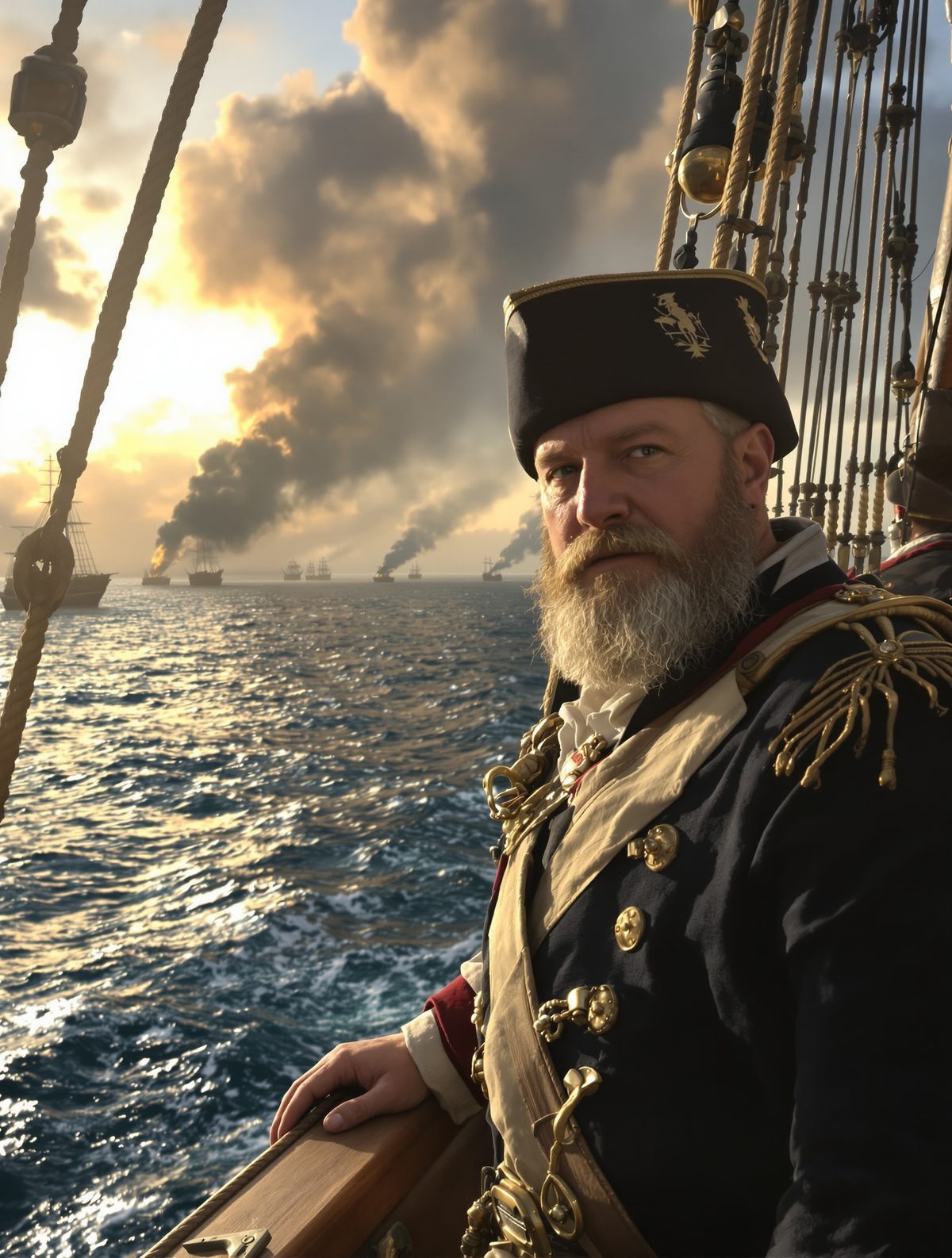
The sound that shattered the Caribbean dawn on July 25, 1609, wasn't thunder—it was the grinding death cry of English oak against Bermuda coral. Admiral Sir George Somers felt his flagship Sea Venture lurch violently as her hull scraped across the razor-sharp reef, trapping 150 souls between the devil and the deep blue sea. Behind them lay four days of hurricane hell that had scattered their fleet across the Atlantic. Ahead lay an impossible mission: somehow reach the starving colonists at Jamestown before English America died in its cradle.
What Somers couldn't know was that his shipwreck would become one of history's most unlikely rescue missions—and that his next ten months would literally save the future of the New World.
The Starving Time Begins
The Virginia Company's Third Supply mission had started with such promise. Nine ships carrying 500 colonists, provisions, and livestock had departed England in May 1609, the largest relief expedition ever mounted for Jamestown. The two-year-old settlement was hemorrhaging colonists—disease, starvation, and conflicts with the Powhatan had reduced the population from 214 to just 60 skeletal survivors by spring.
Sir George Somers, the 54-year-old admiral commanding the fleet, was no stranger to impossible odds. This veteran of privateering raids against Spanish treasure fleets had helped establish the Virginia Company itself. His flagship carried the new colonial governor, Sir Thomas Gates, along with the colony's new charter and most of the mission's supplies. If Sea Venture didn't reach Virginia, Jamestown would almost certainly perish.
But the Atlantic had other plans. Four days into what should have been a routine crossing to the Caribbean, the fleet sailed straight into what contemporary accounts describe as "a most dreadful tempest." For four days and nights, hurricane winds and mountainous seas battered the ships. One by one, vessels disappeared into the storm-lashed darkness. By July 25, Sea Venture was taking on water faster than her crew could pump it out, her seams split and her hull crying for mercy.
Paradise Found, Mission Lost
When dawn broke over the reefs of Bermuda, Somers faced a scene of devastating beauty. Crystal-clear waters teemed with fish, while the "vexed" islands—as they were known to mariners—rose like emerald jewels from the coral-strewn shallows. Spanish sailors had named them the "Isles of Devils," claiming they were haunted by demons whose cries echoed across the water at night. (The "demons," it turned out, were actually a massive population of cahow seabirds, whose nocturnal calls had spooked generations of superstitious sailors.)
But paradise came with a price. Sea Venture was mortally wounded, her back broken on the reef, her hull filling steadily with seawater. The 150 passengers and crew managed to wade and swim ashore, salvaging what supplies they could from their dying ship. They had shelter, fresh water from natural springs, and more food than they'd seen in weeks—wild hogs descendants of stock left by Spanish ships, countless birds, fish, and even whales that beached themselves on the shores.
Yet every day they remained in paradise was another day Jamestown crept closer to extinction. The other eight ships of their fleet were scattered across the Atlantic—if any had survived the hurricane at all. For all Somers knew, he and his people were the only survivors of the entire Third Supply mission.
The Impossible Shipyard
What happened next defied every rule of 17th-century maritime logistics. With no shipyard, no proper tools, and no seasoned shipwrights, Somers made a decision that would echo through history: they would build new ships from scratch and complete their mission to Virginia.
The admiral had one crucial advantage—Bermuda's cedar trees. These aromatic giants grew straight and tall, their wood naturally resistant to rot and shipworm. Under the direction of ship's carpenter Richard Frobisher, the castaways began the backbreaking work of creating an impossible fleet. They had salvaged some tools from Sea Venture, but most implements had to be improvised. Iron hoops from barrels became saws. Nails were precious beyond gold, carefully straightened and reused from the wreck.
The work was grueling beyond imagination. Teams of men hauled massive cedar logs through Bermuda's rocky terrain using improvised tackle and sheer determination. They split planks using wedges hammered from salvaged metal, shaped timbers with crude adzes, and caulked seams with a mixture of lime and turtle oil. The larger vessel, which they named Deliverance, stretched 80 feet from bow to stern—an extraordinary achievement for a makeshift shipyard on a deserted island.
But Somers was taking no chances. Simultaneously, his men built a second, smaller vessel called Patience—30 feet long and designed for coastal sailing. If one ship failed, perhaps the other might reach Virginia to summon rescue for any survivors.
Mutiny in Paradise
Ten months in paradise tested more than shipbuilding skills—it tested the very fabric of English authority. By winter 1609, some castaways began questioning why they should risk their lives for a distant colony they'd never seen. Bermuda offered everything Virginia promised and more: abundant food, fresh water, perfect weather, and no hostile natives.
The first serious mutiny attempt came in September, led by some of the original Virginia colonists aboard Sea Venture. They planned to seize control of the island and abandon the Jamestown mission entirely. Somers and Gates moved swiftly, arresting the ringleaders and making it clear that mutiny meant death. But the unrest continued to simmer.
By spring 1610, a second conspiracy emerged, this one more dangerous because it included skilled craftsmen essential to the shipbuilding effort. The mutineers planned to steal Deliverance once she was complete and sail for England, leaving the others stranded. Again, swift justice preserved the mission—but barely.
The most telling detail about these months of struggle? The castaways found time to establish the first English settlement in Bermuda, complete with cultivation of tobacco and other crops. Even while building their escape vessels, they were unconsciously laying the foundation for another English colony that would thrive for centuries.
The Race Against Time
When Deliverance and Patience finally sailed from Bermuda on May 10, 1610, Somers knew they were racing against time itself. Ten months had passed since the hurricane. If Jamestown had endured the infamous "Starving Time" winter of 1609-10—and that was a massive if—the colonists would be skeletal wraiths clinging to life by their fingernails.
The improvised vessels made surprisingly good time, reaching the Chesapeake Bay after just two weeks at sea. But as they sailed up the James River toward the settlement, an ominous silence greeted them. No smoke rose from chimneys. No boats came out to meet them. When they finally rounded the bend to Jamestown on May 23, 1610, they found a scene from hell itself.
Of the roughly 500 colonists who had been in Virginia when the hurricane struck, only 60 were still alive. The survivors—skeletal figures who looked more like walking corpses than human beings—told horrific stories of the winter just past. They had eaten their horses, their dogs, their cats, even leather from their boots. Some had resorted to cannibalism. The dead far outnumbered the living, and many bodies still lay unburied around the settlement.
Most shocking of all: Governor Gates, now in command, had already made the decision to abandon Jamestown forever. The survivors were packed and ready to sail for England within days when Deliverance and Patience appeared like ghost ships on the James River.
The Moment That Saved America
What happened next reads like something from a Hollywood script, but every word is documented historical fact. Even with Somers' additional supplies and 150 new colonists, Gates decided Jamestown was beyond saving. On June 7, 1610—just two weeks after the Bermuda survivors arrived—the entire population of English America boarded ships and began sailing down the James River toward the Atlantic and home.
They had traveled less than 20 miles when they encountered an extraordinary sight: three English ships sailing upriver under full sail, banners flying. Lord De La Warr, the new colonial governor, had arrived with 150 fresh colonists and a year's worth of supplies. More importantly, he carried orders from the Virginia Company: Jamestown would not be abandoned.
By the narrowest of margins—perhaps a matter of hours—English America survived. If Somers had taken a few more days building his ships, if the weather had been less favorable, if De La Warr had been delayed even slightly, the James River evacuation would have been completed and English colonization of North America might have ended forever.
Tragically, Admiral Sir George Somers never saw the ultimate fruits of his impossible rescue mission. Volunteering to return to Bermuda for additional supplies, he died there in November 1610, worn out by his extraordinary efforts. But his cedar ships had accomplished their mission: English America would survive to become something far greater than even he could have imagined.
Today, as we debate the role of individual determination versus historical inevitability, Somers' story offers a fascinating case study. The next time you're tempted to believe that great historical movements are unstoppable forces, remember a 54-year-old English admiral standing on a Bermuda beach, staring at a broken ship and an impossible mission. Sometimes the hinge of history really does turn on one person's refusal to accept defeat—and the sound of hammers building hope from wreckage in an improvised shipyard at the edge of the world.