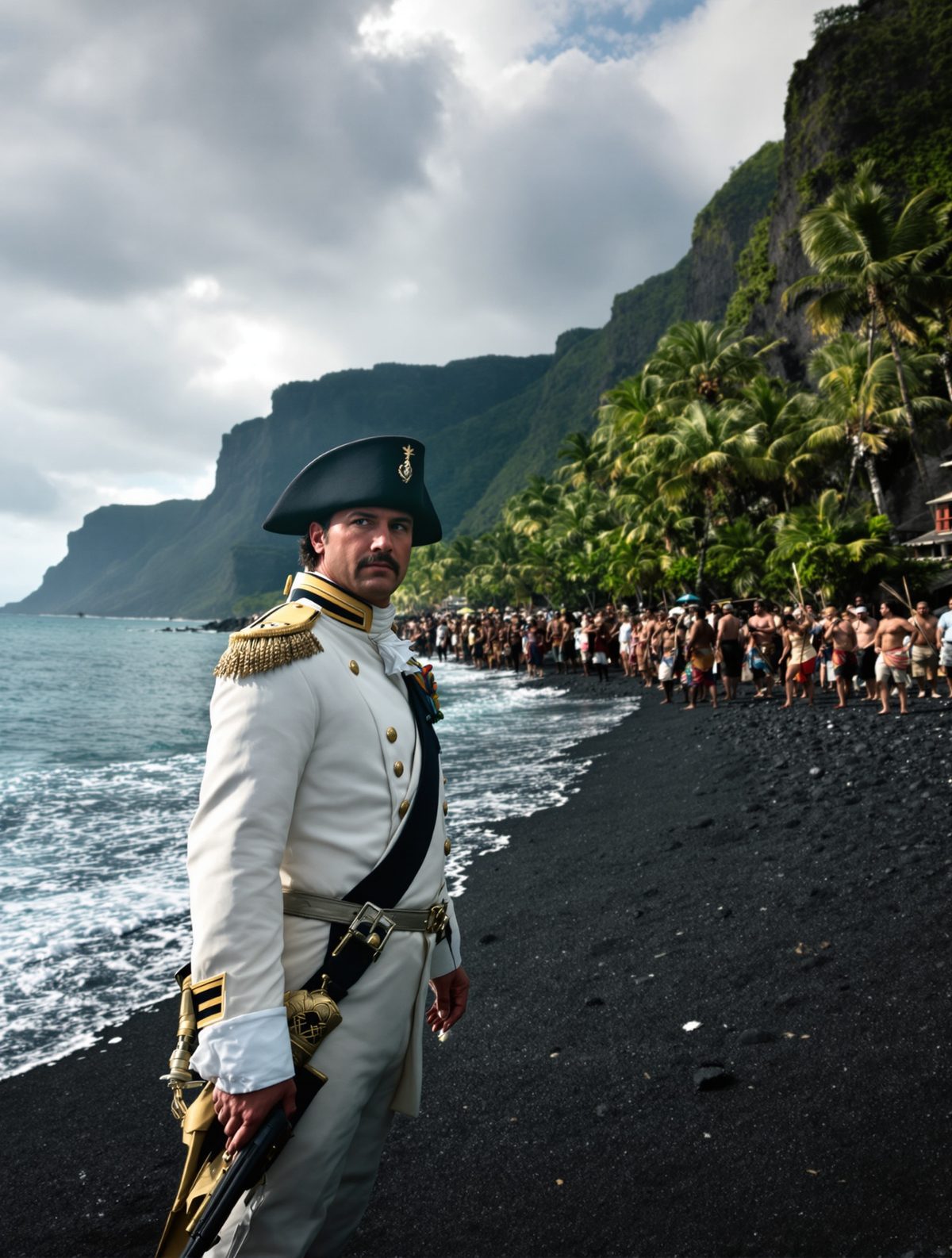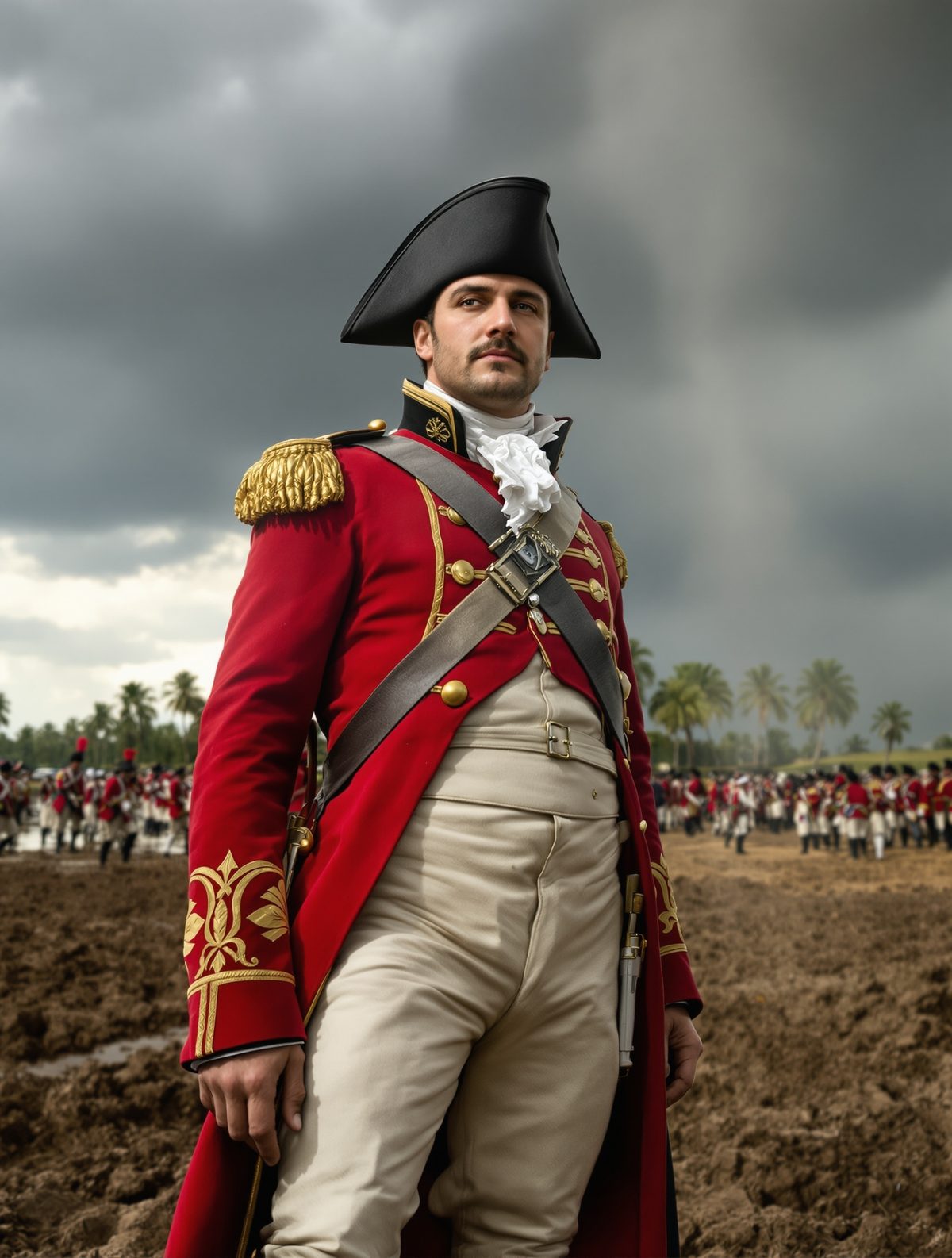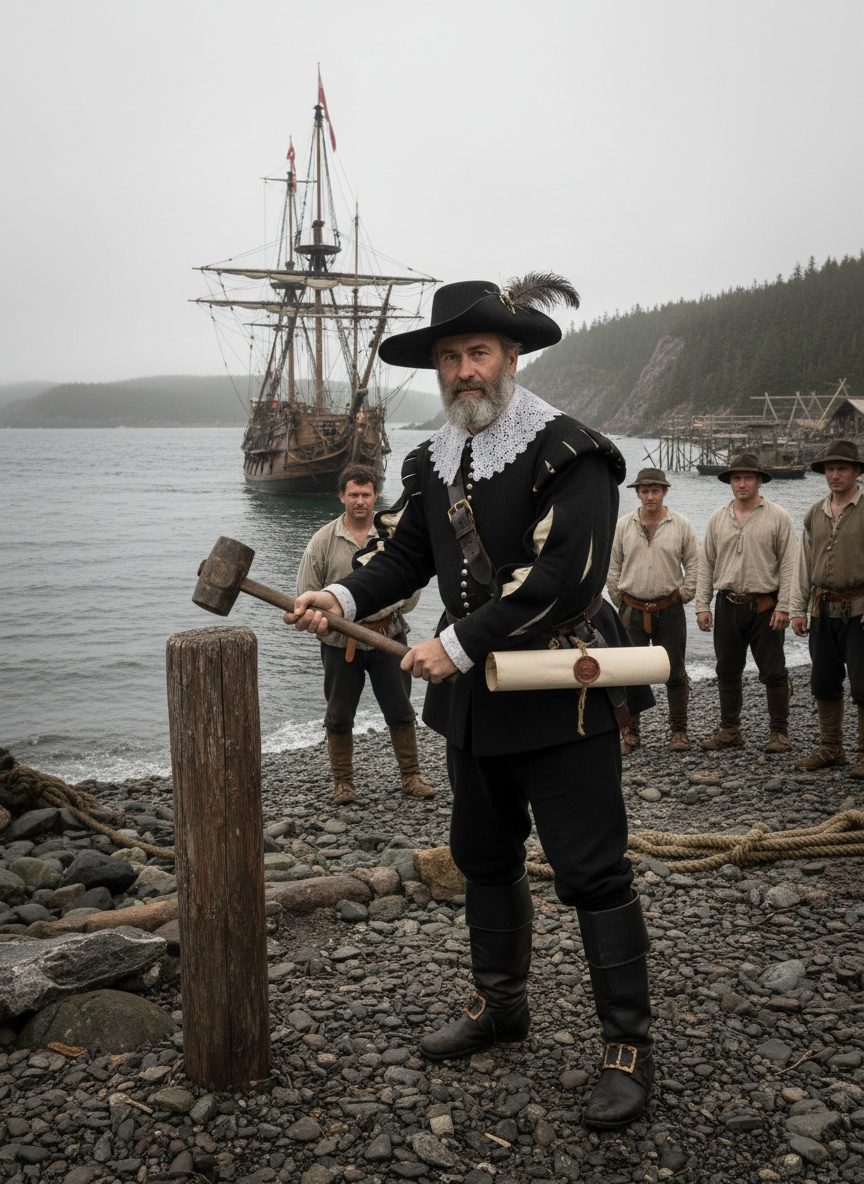
In the tumultuous summer of 1583, an English sea captain named Sir Humphrey Gilbert stood amid the gusty winds of the North Atlantic, preparing to take a fateful step onto the rocky shores of what we now know as Newfoundland. The creaking of masts and the salty spray of ocean waves surrounded him as he planted a simple wooden post into the unyielding earth. In doing so, Gilbert laid not only a claim to a vast expanse of wilderness but also the foundation of an empire that would come to dominate the world for centuries.
The Age of Exploration Beckons
The late 16th century was a time of frenetic exploration and unruly ambition. The pursuit of new territories and riches consumed monarchs and adventurers alike. England, under the astute reign of Elizabeth I, was eager to carve out its own portion of the New World. Sir Humphrey Gilbert, a half-brother to the famed Sir Walter Raleigh, was not merely another seafarer but a man possessed by a vision of empire.
Gilbert's ambition, however, was stoked by more than mere adventurism. He was a man driven by a vision of technological advancement and military prowess. Educated at Eton and Oxford, he fancied himself as both a scholar and a rogue explorer. Yet, his tale, marked by previous failures to establish colonies, rendered his 1583 expedition a last desperate gamble.
Arrival at St. John's
On August 3, 1583, amidst a flotilla of vessels, Gilbert’s ship, the HMS Delight, anchored in the natural harbor of St. John's. To his left and right, the waters were abuzz with activity. Boats from France, Spain, and Portugal trolled the rich fishing grounds, well-used by Europeans for decades. Yet, none had made any claim to sovereignty. With bold fervor, Gilbert rowed ashore with a small party.
Upon reaching land, Gilbert's retinue unfurled England's banner, a stark proclamation that echoed like a gunshot among the unsuspecting fishermen. In a world where land claims were uncertain and often resulted in bloodshed, Gilbert managed the near-impossible: claiming a continent simply by virtue of spoken word and the presence of his Queen's flag.
The Proclamation of Empire
The scene on the rocky, weather-beaten coast was dramatic. With an assemblage of puzzled foreign sailors before him, Gilbert raised his voice against the Atlantic din. He read aloud the royal commission that authorized him to claim lands hitherto "not in possession of any Christian prince." In this single act of bravado, the seeds of British America were sown.
What few recount, however, was the nature of the declaration itself. It demanded allegiance from all within earshot, transforming the disparate crew of multifarious national background into subjects of the English Crown — at least nominally. Gilbert dictated a set of laws, which were immediately documented and witnessed by his group.
The Harsh Realities of the New World
Despite the triumphant proclamation, the nascent colony was beset by difficulties. Supplies dwindled swiftly, tensions ran high, and the inhospitable climate was relentless. Gilbert's months' stay at St. John's was fraught with problems, leading his crew to question the wisdom of enduring such grueling conditions.
The *HMS Delight* met with disaster upon the Sable Island sandbars, a grim harbinger for Gilbert's return voyage. Starved of provisions, the crew faced an arduous journey home, exacerbated by foul weather and navigational strife. Yet, Gilbert, undaunted, pressed forward aboard his smaller ship, the *Squirrel*.
The Mysterious End
Sailing back across the Atlantic, Sir Humphrey Gilbert's fate turned with the winds. The *Squirrel*, crowded and ill-equipped to handle the angry seas, vanished under the cover of a furious tempest on September 9, 1583. Gilbert, it is said, was last seen reading from a book — likely Seneca’s work on stoicism and fate. Reports say his final words echoed across the watery expanse: "We are as near to heaven by sea as by land."
The ghostly disappearance of the *Squirrel* lent an air of mystery to Gilbert's already legendary mission. While his return to England was never realized, his legacy endured—forever imprinting England's claim upon Newfoundland and foreshadowing centuries of colonial ambition.
The Legacy of the Lost Admiral
Sir Humphrey Gilbert's bold declaration at St. John's marked England's first claim on North American soil, a moment that would reverberate through the annals of history. Though he never set foot on England again, his audacious and pioneering spirit helped sow the seeds of a vast empire that would reshape the world map.
Why does this matter today? Gilbert's claim was a defining moment that set the stage for further English ventures across the Atlantic. The tale of his braving a wilderness and confronting the vast unknown mirrors the human saga of exploration that transcends eras, reminding us of the heights reached through daring visions and what potential lies in the undiscovered.
In retelling Gilbert's story, we are reminded of the often unsung chapters of history—tales of individuals who, despite their flaws and failures, dared to defy boundaries and forever change the course of history. As we look to the future, it's clear that the same spirit of discovery and ambition remains vital. The legacy of Sir Humphrey Gilbert is one that reflects the boundless aspirations of humanity, a beacon for both the perils and the promise that lie beyond the horizon.