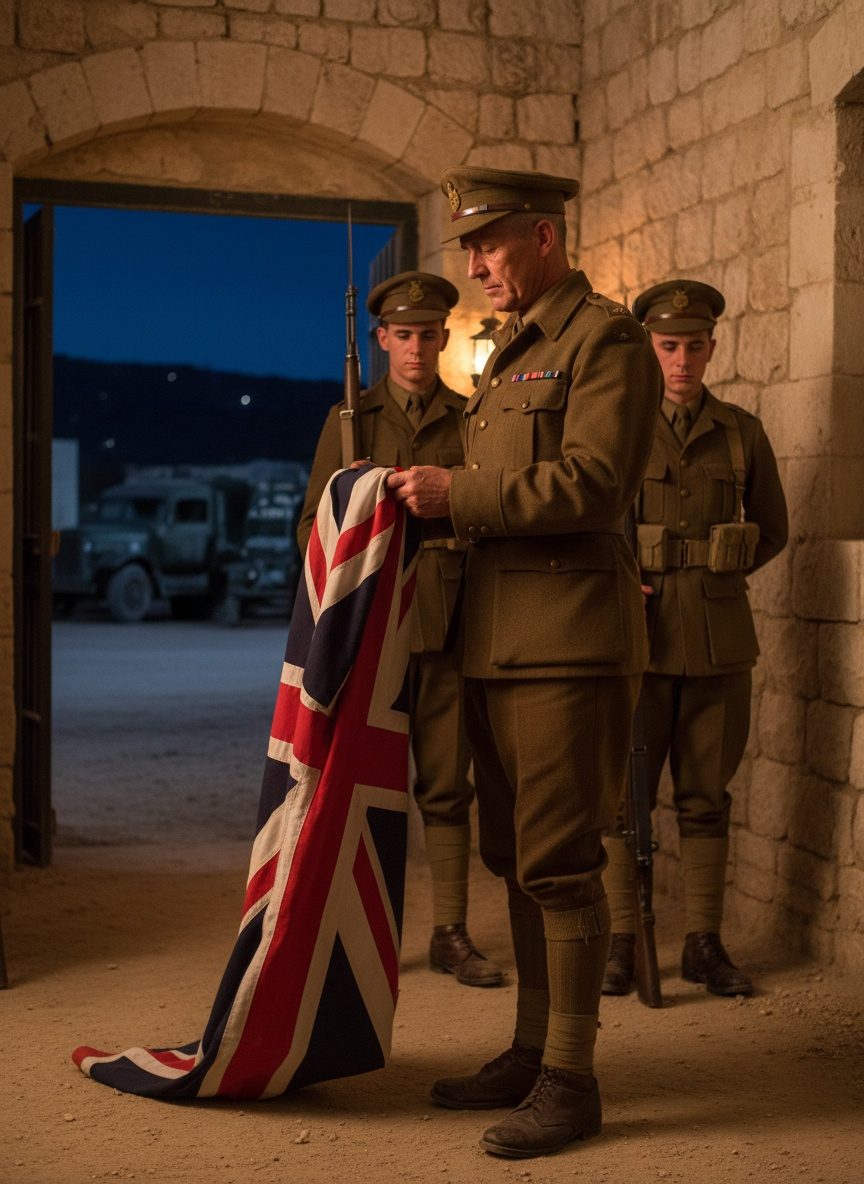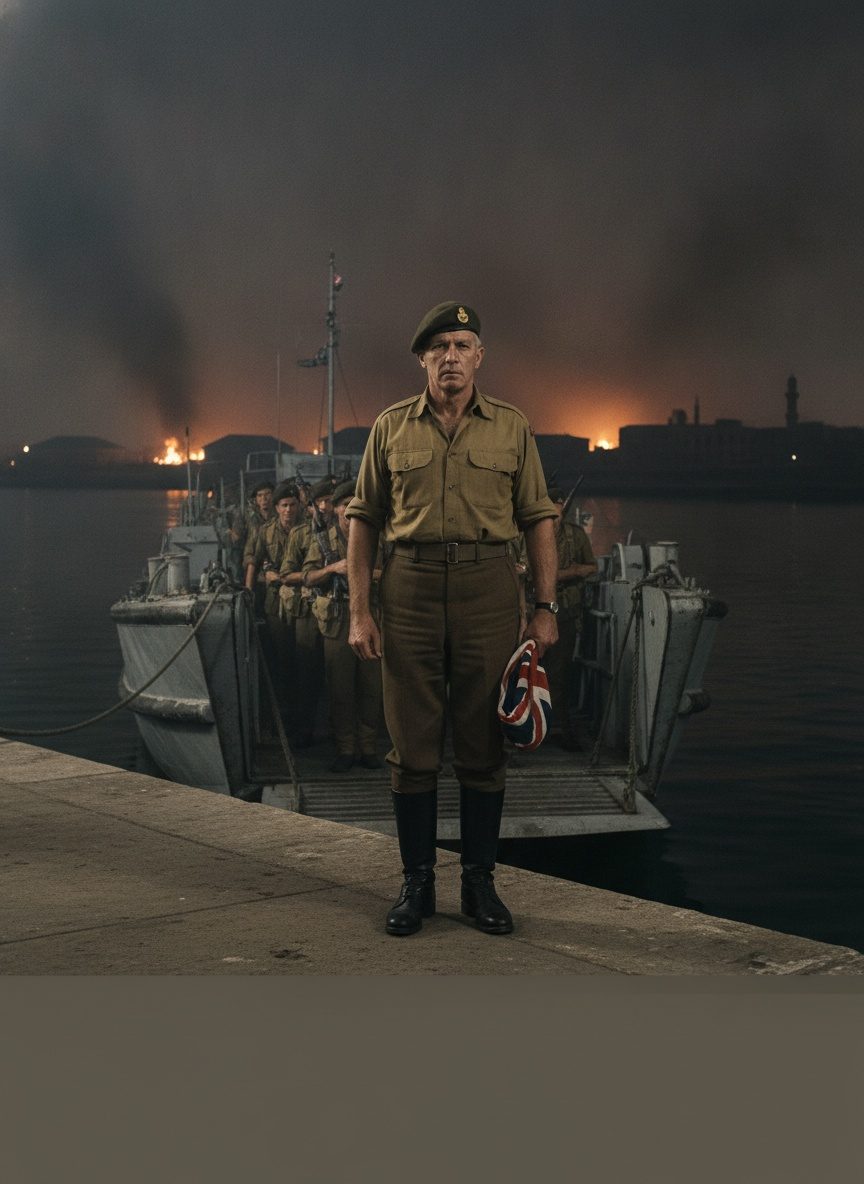
Darkness enveloped the port city of Aden as the steady clatter of distant gunfire echoed through the air, a haunting reminder of the city's unrest. A column of weary British soldiers moved swiftly yet silently along the shadowed streets, their booted footsteps echoing against the tomb-like silence of the night. The Union Jack had come down one final time, fluttering to a halt like the breath of empire itself. As the soldiers reached the docks, they could see the solemn silhouette of the ship waiting to take them home, while the beleaguered city, a crumbling remnant of Britain's once-sprawling empire, simmered on the brink of chaos behind them.
The Burning Jewel of Aden
Aden's strategic location at the mouth of the Red Sea had long rendered it a crown jewel of the British Empire. Originally annexed in 1839, this city, perched on the southern tip of the Arabian Peninsula, served as a crucial hub for maritime trade routes. For over a century, it had been a bastion of British influence, controlling the gateway between East and West. Yet, by the tumultuous 1960s, the pressures of decolonization and nationalist movements mounted, and the intricate threads of British authority began to unravel.
The summer of 1967 was marked by escalating tensions and conflict, as nationalist insurgents launched relentless attacks against British installations, igniting a wave of violence and upheaval. Streets once bustling with trade were marred by bomb blasts, roadblocks, and clashes between factions vying for control of the city's future. Aden became a battleground, and the reality of British withdrawal reflected a stark departure from the ceremonial endings typical of a waning empire. As the November deadline loomed, the sense of urgency and danger intensified, casting a long shadow over the exiting British forces.
The Silent Vigil
The final withdrawal from Aden was a somber operation. As darkness fell on November 1967, the Crescent Detachment, one of the last British units, clung to a perimeter fraught with volatility and violence. These soldiers were tasked with an unenviable mission: to ensure the safe evacuation of remaining British personnel amid an unpredictable storm of insurgent attacks and civil strife.
Orders were given in hushed tones, and every movement executed with precision, as if silence were armor against the chaos outside. They faced the very real threat of mortar fire, sniper shots, and the pervasive tension of a burning city. Yet, these men braved the inferno encircling them, rooted not just in their duty, but also in solidarity as the weight of history pressed against their shoulders.
Derelict buildings loomed in the inky blackness, monuments of a forgotten era, casting long shadows under flickering street lamps. The air tasted of dust and smoke, heavy with the indefinable sense of an ending. Through the orchestrated symmetry of military withdrawal, the diminishing British presence highlighted a transition from imperial dominance to the unknown fates awaiting Aden and its people.
Boarding into the Unknown
As they approached the docks where their ship anchored forlornly against the night's embrace, the gravity of the moment became starkly palpable. The British soldiers, encumbered by fatigue, bore silent witness to the monumental task concluding before them. The Union Jack, now folded and stored reverently away, symbolized more than a mere flag—it was the closing curtain on a complex chapter in the region's history.
With each soldier boarding the vessel, a quiet resignation hung in the night air. Questions of whether Aden would succumb to further chaos without British oversight loomed anxiously on the horizon. As the last soldier stepped onto the ship, there was no fanfare or ceremony, only the soft whisper of waves against the hull, a final lullaby for an empire's fading echo.
Whispers of Empire's End
The quiet withdrawal from Aden marked the end of 128 years of British presence, a poignant epitaph in the decline of an empire that had once spanned the globe. It was a departure without triumph or celebration, characterized instead by the hushed resolve of soldiers leaving behind a city poised at the precipice of its own destiny. This unceremonious farewell underscored a broader retreat from colonial holdings worldwide, as Britain grappled with its imperial legacy and shifting global dynamics.
The night the last British soldiers left Aden was more than a historical footnote; it was a microcosm of the inevitable passage of time and power. It prompts reflection on the complexities of decolonization, the human stories entwined with political shifts, and the profound impact of transitional periods on both those who depart and those who remain. Aden's story, framed by silence and darkness, becomes a powerful reminder of the often unheralded sagas at the end of empires—stories that refuse to fade quietly into history's annals, echoing instead into the narratives of the present.