August 16, 1960. The morning sun blazed over Nicosia, casting long shadows as the Union Jack fluttered gently in the summer breeze.
The Union Jack and the Mediterranean
For eighty-two years, Cyprus was a jewel in the crown of the British Empire. Nestled in the eastern Mediterranean, this strategic island witnessed countless empires, from the ancient Assyrian and Persian to the mighty Ottoman. The British arrived in 1878, a period when their imperial reach extended across the globe, promising better governance and protection from potential threats. Yet, despite promises of prosperity, the seeds of resistance quietly took root among Cypriots who yearned for self-determination.
The island's unique culture, a blend of Greek and Turkish heritage, added layers of complexity to the British administrative rule. The calls for Enosis, which meant union with Greece, grew louder with each passing year, turning into a chorus in the aftermath of World War II. While Britain tried to balance this demand with the interests of the Turkish Cypriot minority, the resulting conflict was inevitable.
Conflict and Compromise
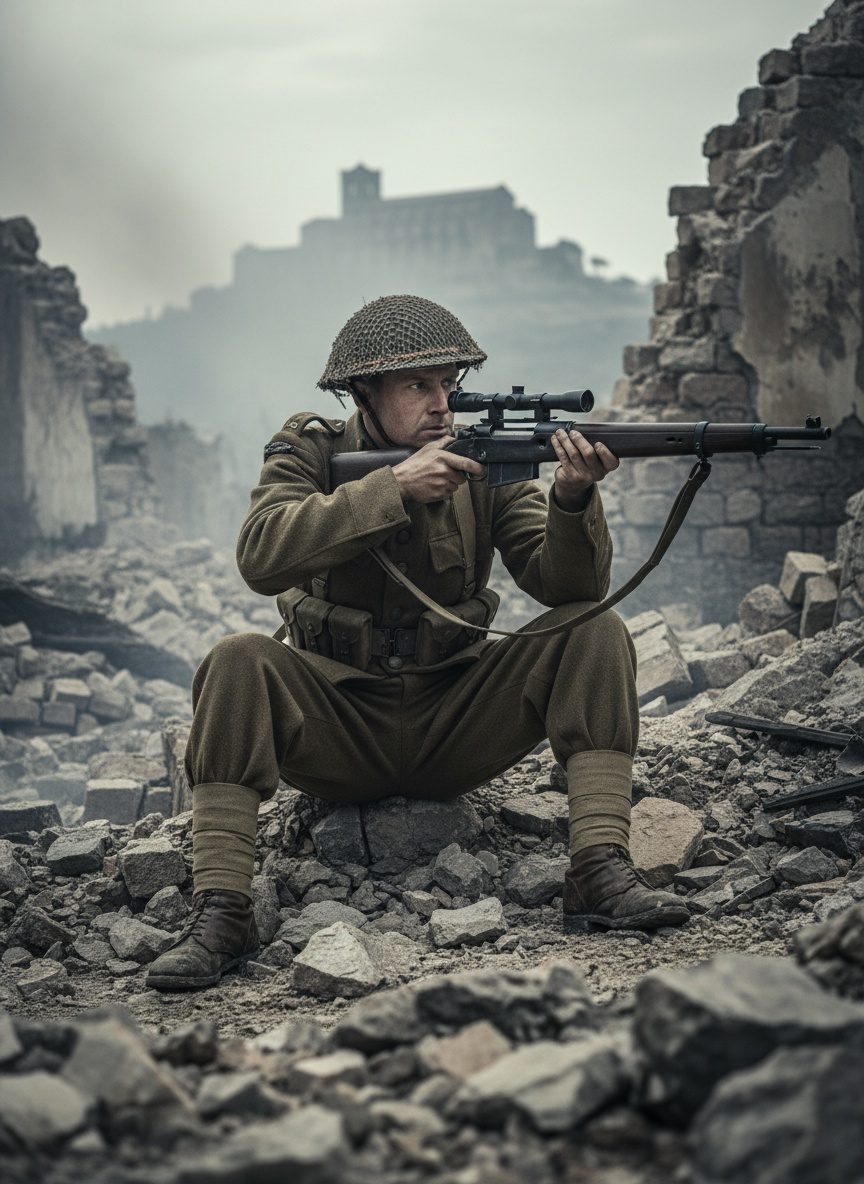
The drive for independence turned turbulent in the 1950s, as guerrilla warfare erupted under the banner of EOKA, a nationalist group fighting for Enosis. British troops, caught between the Cypriot push for union with Greece and Turkish fears of subjugation, found themselves embroiled in a complex and intractable conflict. The island became a chessboard of political maneuvers, with each move carrying heavy consequences both locally and internationally.
Amid the backdrop of bombings and negotiations, the stories of those who lived, fought, and served on the island became woven into its history. Ordinary soldiers, many little more than teenagers, experienced the harsh realities of conflict in a land far removed from home. Some of these soldiers would recount memories of comradeship amidst chaos, of shared humor that lightened the weight of their armaments, and of lasting friendships forged across divides.
The Flag Comes Down
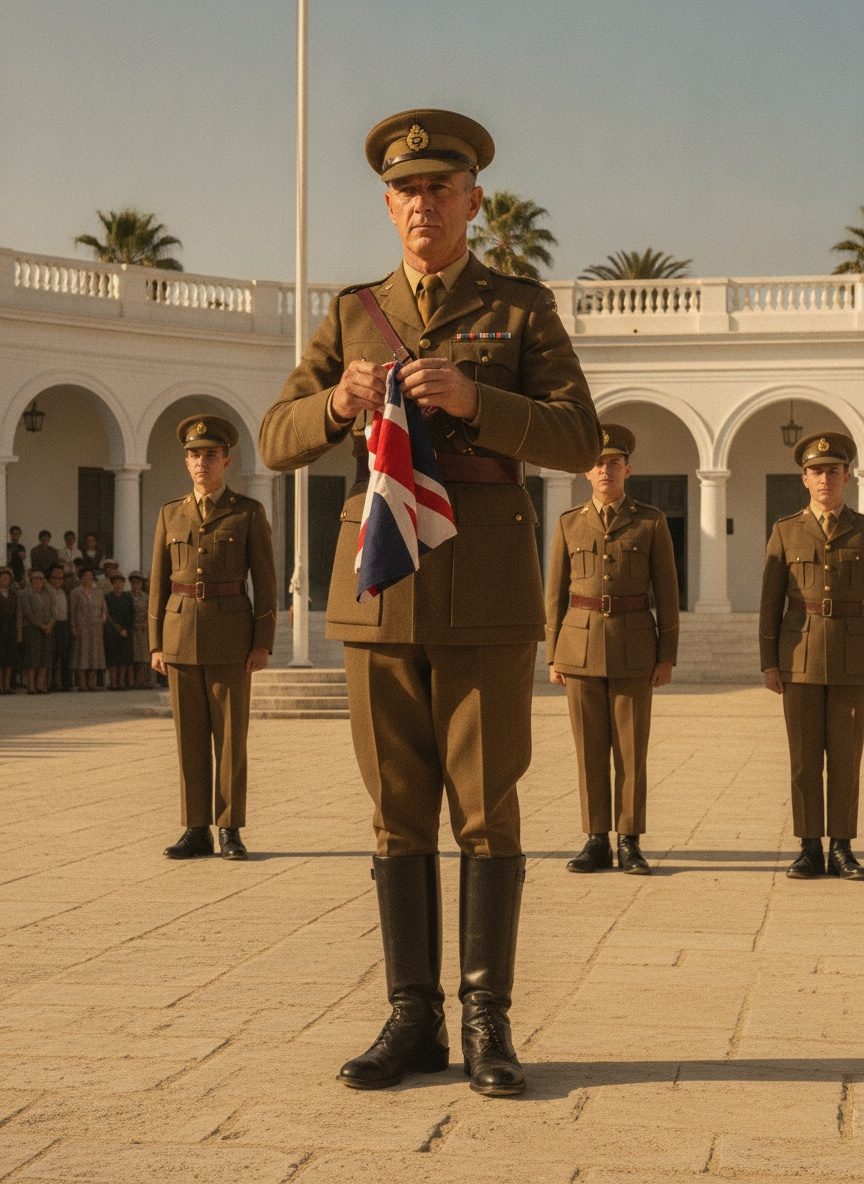
In the relentless Mediterranean heat of that August morning, anticipation gripped the capital. As the sun ascended, its warmth echoing the convivial spirit of newfound freedom, British and Cypriot hands worked side by side for the last time in an official capacity. At the stroke of nine, the Union Jack began its descent for the final time.
The ceremony was deeply symbolic. Among the assembled was a small detachment of British soldiers standing at attention, their uniforms crisp and buttons gleaming in the sunlight. The flag descended slowly, its fabric whispering tales of its eighty-two-year reign over the island. An officer meticulously folded it, its creases forming with precision. This was not a defeat but a ceremonious handover—a return of power to its rightful stewards.
As the last notes of "God Save the Queen" blended with the rising murmur of Cyprus’s national anthem, the crowd vibrated with emotion. The air was thick with possibility, a new dawn for a nation ready to script its own future.
Independence and Unity
August 16, 1960, marked the birth of the Republic of Cyprus. Hand-in-hand, Archbishop Makarios III, the island's newly elected president, and key Turkish Cypriot leader Dr. Fazıl Küçük, stood symbolizing a hope for unity amidst historical tensions. Their presence on that historic day transcended the political divide, symbolizing a fresh chapter in a shared quest for peace and prosperity.
Crowds poured into the streets of Nicosia, their voices echoing joy and a shared sense of purpose. Cypriots, both Greek and Turkish, mingled in celebration, dreaming of what this newfound independence might bring. For some, it was a day of jubilance; for others, cautious optimism prevailed. The road ahead was fraught with challenges, yet the air was electric with a collective aspiration for harmony.
The British soldiers, having completed their ceremonial duty, embarked on the long walk to their awaiting ship, the HMS Brighton. As it sailed away, the realization dawned that the flag they had lowered would find its place not as a trophy of defeat but as an artifact of historical significance, a reminder of what had been both lost and gained.
Cyprus achieved independence with a spirit not merely of newfound autonomy but of healing—a shared journey towards peaceful coexistence. And as those soldiers gazed back upon the receding coastline, the truth lingered: the end of the empire was not an erasure, but an evolution.
As we look back on the story of Cyprus, it mirrors the greater narrative of decolonization, a pivotal moment inscribed in the chronicles of history. It reminds us of an era where empires withdrew not only their flags but the roots of control, yielding to the aspirations of local peoples. Cyprus’s pursuit of independence stands as a testament to the power of resilience and reconciliation, offering reflections relevant not solely to that Mediterranean island but to all corners of the world.