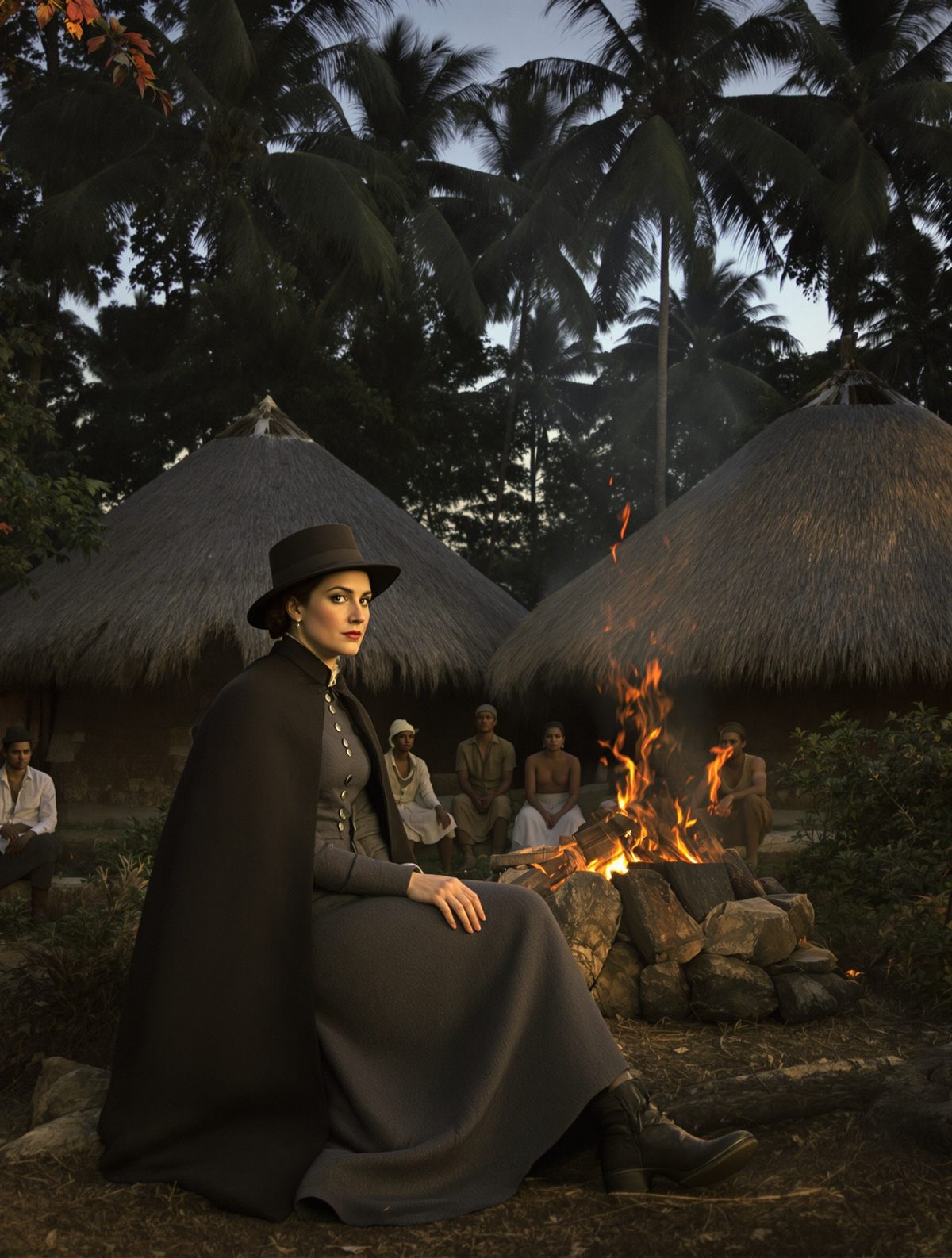
The clock struck midnight on August 1, 1834, and across the sprawling British Empire, from the sugar plantations of Jamaica to the cotton fields of Cape Colony, something extraordinary happened. Eight hundred thousand human beings who had gone to sleep as property woke up as free people. It was the largest single act of emancipation in human history—and it came at a price that would burden British taxpayers for the next 182 years.
The previous summer, in the sweltering chambers of Westminster, Parliament had just passed the most expensive piece of legislation in British history. The Slavery Abolition Act of 1833 didn't just free nearly a million enslaved people—it compensated their former owners to the tune of £20 million, roughly 40% of the government's entire annual budget. To put that in perspective, it's equivalent to spending about £300 billion today. The former slaves, meanwhile, received precisely nothing.
This is the untold story of how Britain bought its way out of slavery—and why the bill wasn't fully paid off until 2015.
The Unlikely Revolutionary in a Silk Waistcoat
William Wilberforce wasn't supposed to be a revolutionary. Born into wealth in 1759 Hull, the diminutive MP was more known for his parties than his principles when he first entered Parliament at just 21. Standing barely five feet tall with a voice that contemporaries described as "silvery," he seemed an unlikely candidate to topple an institution that generated millions for the British economy.
But something changed during a European tour in 1784. Traveling with his old Cambridge friend Isaac Milner, Wilberforce experienced a profound religious awakening that would reshape not just his life, but the moral trajectory of an empire. By 1787, he had found his life's mission, writing in his diary: "God Almighty has set before me two great objects: the abolition of the slave trade and the reformation of manners."
What followed was one of the longest political campaigns in British history. For 46 years, Wilberforce and his allies would chip away at the foundations of slavery, facing down powerful plantation lobbies, economic arguments, and the simple human tendency to ignore distant suffering. His first victory came in 1807 with the abolition of the slave trade itself—but the slaves already in the system remained in bondage.
The Economics of Human Misery
By 1833, the mathematics of slavery were staggering. Across the British Empire, approximately 800,000 people were held in bondage—46,000 in the Cape Colony, 83,000 in British Guiana and Trinidad, 104,000 in Barbados and the other Windward Islands, and a crushing 311,000 in Jamaica alone. These weren't just numbers in a ledger; they represented families torn apart, children born into servitude, and generations of stolen labor.
The economic argument for slavery seemed ironclad. Sugar plantations in the Caribbean generated enormous wealth—the tiny island of Barbados was more profitable to the British Treasury than all of New England. Slave-produced goods didn't just fill British pantries; they bankrolled the Industrial Revolution. Cotton picked by enslaved hands in the American South fed Manchester's mills, while Caribbean sugar sweetened London's tea.
But by the 1830s, the economic winds were shifting. The rise of free-trade economics made slavery seem increasingly inefficient. Moreover, slave revolts—particularly Nat Turner's rebellion in Virginia in 1831 and Sam Sharpe's Christmas Rebellion in Jamaica the same year—made the institution seem dangerously unstable. When news reached London that 60,000 enslaved people had risen up in Jamaica, demanding freedom and fair wages, even conservative MPs began to wonder if compensation might be cheaper than constant military intervention.
The Great Compromise: Freedom at a Price
The Slavery Abolition Act that finally passed on July 26, 1833, was a masterpiece of political compromise—and moral complexity. Wilberforce, now 73 and in failing health, lived just long enough to see his life's work completed, dying three days after the bill's final reading.
The legislation was revolutionary in scope but conservative in method. Rather than simply declaring slavery illegal, Parliament essentially bought out the slave owners. The £20 million compensation fund was distributed according to careful valuations: £106 for each enslaved person in British Guiana, £54 in Barbados, £19 in Cape Colony. The recipients read like a who's who of British society—bishops, Members of Parliament, and even relatives of Prime Minister Lord Grey himself claimed compensation.
But the Act included a cruel twist that's often forgotten today. The newly freed slaves weren't immediately free at all. Instead, they became "apprentices," forced to work unpaid for their former masters for four to six years more. Only in 1838, under pressure from abolitionists horrified by reports of continued abuse, was this apprenticeship system finally abandoned.
The Night the World Changed
Despite these compromises, August 1, 1834, marked a turning point in human history. Across the Caribbean, freed slaves gathered in churches and town squares to celebrate. In Jamaica, Samuel Sharpe—leader of the Christmas Rebellion—had been executed two years earlier, but his followers gathered at Falmouth Baptist Church to hear the midnight bell toll their freedom. In Barbados, crowds filled the streets of Bridgetown, singing hymns and embracing.
The ripple effects were immediate and global. Other European powers, already pressured by British anti-slavery diplomacy, found their own slavery systems increasingly untenable. France abolished slavery in its colonies in 1848, followed by the Netherlands in 1863. Even in the United States, where slavery would persist for another three decades, abolitionists pointed to British emancipation as proof that ending bondage wouldn't mean economic collapse.
Perhaps most remarkably, the British taxpayers continued paying for this moral transformation well into the 21st century. The government had financed the £20 million compensation through bonds that carried interest payments for nearly two centuries. Only in 2015—181 years later—was the last payment made on the debt incurred to end slavery.
The Ledger's Other Side
Here's what the textbooks often miss: while Britain was paying slave owners, the formerly enslaved received nothing for their lifetimes of stolen labor. No back wages, no compensation for families torn apart, no reparations for the wealth built on their backs. The moral ledger remained unbalanced.
Moreover, the compensation records, preserved in Britain's National Archives, reveal uncomfortable truths about who profited from slavery's end. The Countess of Seafield received £6,929 for her 661 enslaved people in Jamaica. Bishop William Lisle Bowles of the Church of England claimed compensation for enslaved people in Barbados. Even Charles Dickens's father-in-law benefited from the payments.
These weren't just colonial planters living rough in the tropics—they were pillars of British society, living comfortable lives in London and Bath while others worked their distant properties. The compensation system essentially transferred the cost of their moral awakening to the British public while protecting their financial interests.
A Debt That Echoes Through Time
The abolition of slavery in 1833 was undeniably a moral triumph, but it's also a reminder that even the most righteous social changes come with hidden costs and unexamined consequences. British taxpayers paid for slavery's end until well into the Obama presidency, while the descendants of enslaved people still struggle with the economic legacy of centuries of unpaid labor.
Today, as societies grapple with questions of reparations and historical justice, the story of Britain's slave compensation offers both inspiration and caution. It shows that seemingly impossible social transformations can happen when moral pressure meets political pragmatism. But it also reveals how systems can be dismantled in ways that protect those who benefited from injustice while offering nothing to those who suffered under it.
The clock that struck midnight on August 1, 1834, marked more than the end of legal slavery in the British Empire. It marked the beginning of a longer reckoning with the true cost of freedom—and the question of who, ultimately, should pay the bill.