In the cool embrace of an early Simla morning, the Viceregal Lodge stood resplendent against a backdrop of rolling hills swathed in mist. Dew clung to the manicured lawns, and the air carried a hint of pine and lingering echoes of bird calls. As dawn's light unfurled across the verdant landscape, six determined Viceroys battled the tide of history here, each destined to steer the British Raj through its most tumultuous half-century.
Amidst this backdrop of power, intrigue, and imperial transition, another, humbler dynasty flourished unnoticed. The Lodge cats, with their sleek bodies and feline grace, bore witness to British India's final act, their presence as constant as the march of time.
The Arrival of Our Feline Ancestor
The turn of the 20th century was a time of seismic change. The British Empire was at its zenith, yet rumbles of unrest were growing louder across its dominions. In 1900, Lord Curzon was appointed Viceroy of India, arriving at the Viceregal Lodge with pomp and circumstance—a harbor for decision-making that would ripple across continents. In the shadows of such a colossal human endeavor began the legacy of the Lodge cats.
The first of these silent sentinels arrived much like any storied legend: without fanfare and largely undocumented. Little is known about this ancestral feline trailblazer, thought to be a cautious calico. Before long, however, the Lodge's servants noted her presence, watching as she curled leisurely, like a queen on a balustrade, overlooking scenes of dignitaries and grand banquets.
The Purr of Empires and Their Fall
By the time World War I erupted in 1914, the Lodge cats had multiplied, darting through corridors and lounging in sunbeams. These guardians of the lodge keenly observed the comings and goings of troops and statesmen, where generals planned and plotted the future of millions. While men drafted wartime strategies, the cats clutched their own territories—ever aloof, yet intimately aware of the world surrounding them.
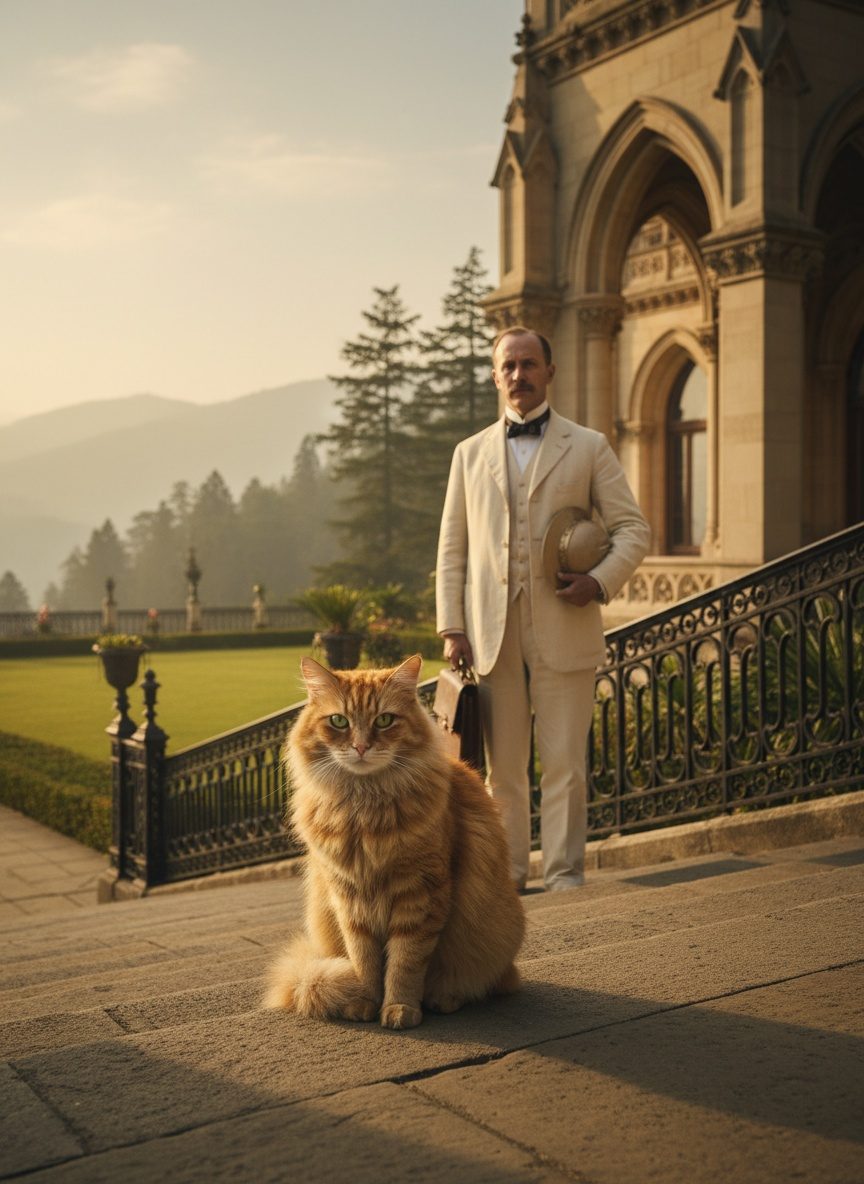
The feline indifference to human affairs drew quiet admiration from staff and guests alike. Within the splendid Darbar Hall, plans were hatched, and alliances forged. Outside on stone steps, however, under sprawling rhododendron blooms, the Lodge cats played their own games, far removed from the theaters of war—an imperishable image of serene continuity.
Cats in the Calm after the Storm
As the Roaring Twenties unfolded across the globe, India's political storm clouds gathered with fervor. The Indian independence movement coalesced into a formidable force, stirring debates in the halls of the Lodge with increasing intensity. Viceroys arrived carrying dreams of reform, while local leaders demanded autonomy.
Throughout this human drama, from 1920 to 1930, the cats maintained their dominion. Scampering up curtains in the Club Room or perching on ornately carved railings, they were the unregistered attendees of endless meetings—their watchful eyes taking stock of men who often paid them no heed. Yet, in the late-night solitude shared only with these aloof creatures, notes were scribbled, treaties drafted—a silent testimony to history in the making.
The Final Days of British India and Their Everlasting Observers
By the time World War II began to shake the very foundations of the British Raj, several generations of the Lodge cats had lived their nine lives. Viceroys changed, each appearing with mighty retinues, only to leave having aged decades in months. By the mid-1940s, the Lodge's walls had echoed with voices stirring India towards independence, and the atmosphere was thick with expectation.
While the world hung in the balance, the Lodge cats continued their routine: morning naps in the library warmed by rare books, late afternoon hunts along the tree-lined slopes. Mid-century Viceroys acquiesced to these furry shadows padding silently alongside them in the drawing room, perhaps contemplating the felines' unending saga amidst the crumbling empire.
The Gentle Echo of a Dynasty's Resoluteness
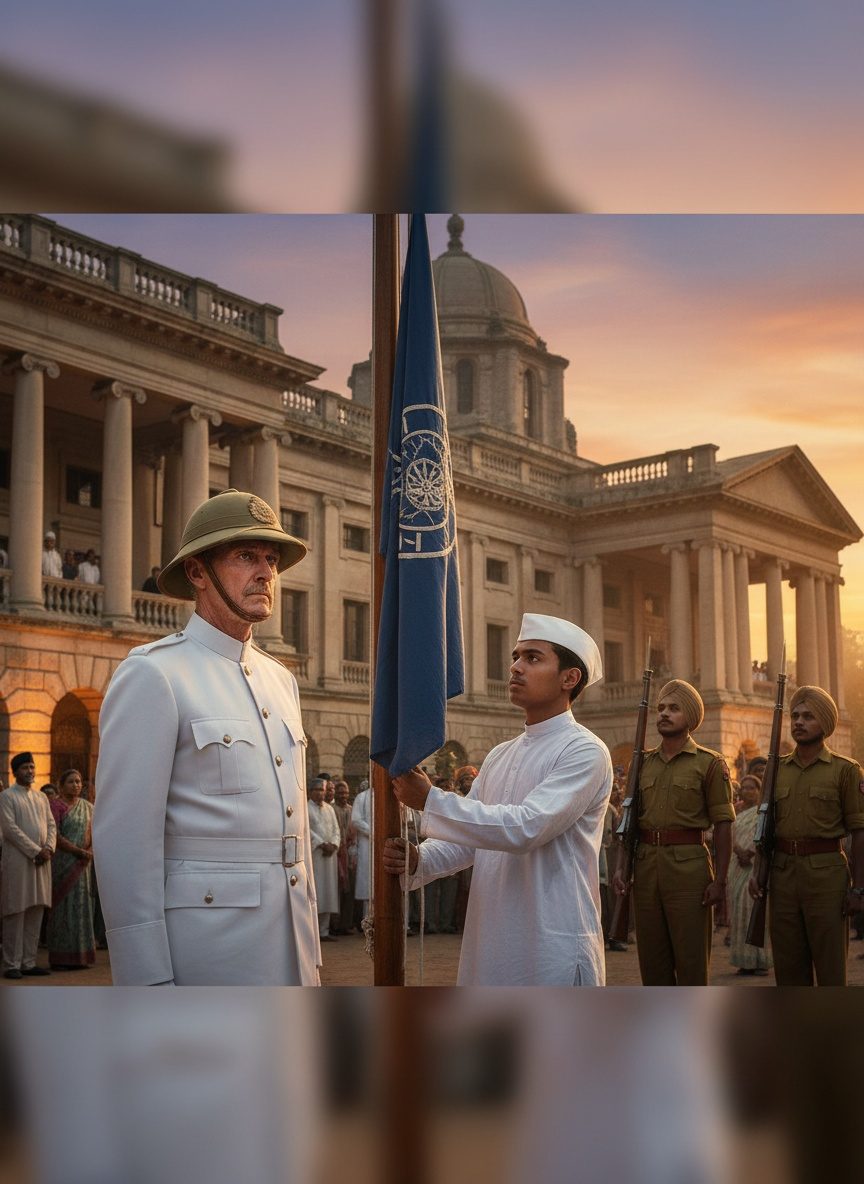
August 15, 1947, arrived with the flutter of flags and bittersweet vigor. The sun set on a land renewed yet burdened with the scars of partition. At the Viceregal Lodge, amidst the ceremonial farewells, the last British Viceroy departed, and India's first home-grown leaders settled into a complex reality.
Throughout it all, the cats remained, imprinted now in the unwritten annals of the empire they outlasted. Unfazed by the hourly creeds of nationhood, they were a constant reminder of life's cyclical essence. To their well-tended realm, no independence or dominion mattered more than the unending quest for the sun's warmth spilling across a cool stone step.
Perhaps that's the most poignant legacy of the Lodge cats. Amidst sweeping historical tides reshaping nations, a community of quiet witnesses affirmed a transcendent truth: empires may rise and fall, but the gentle purring echo of life continues unabated, a comforting constant amidst the capricious currents of history.