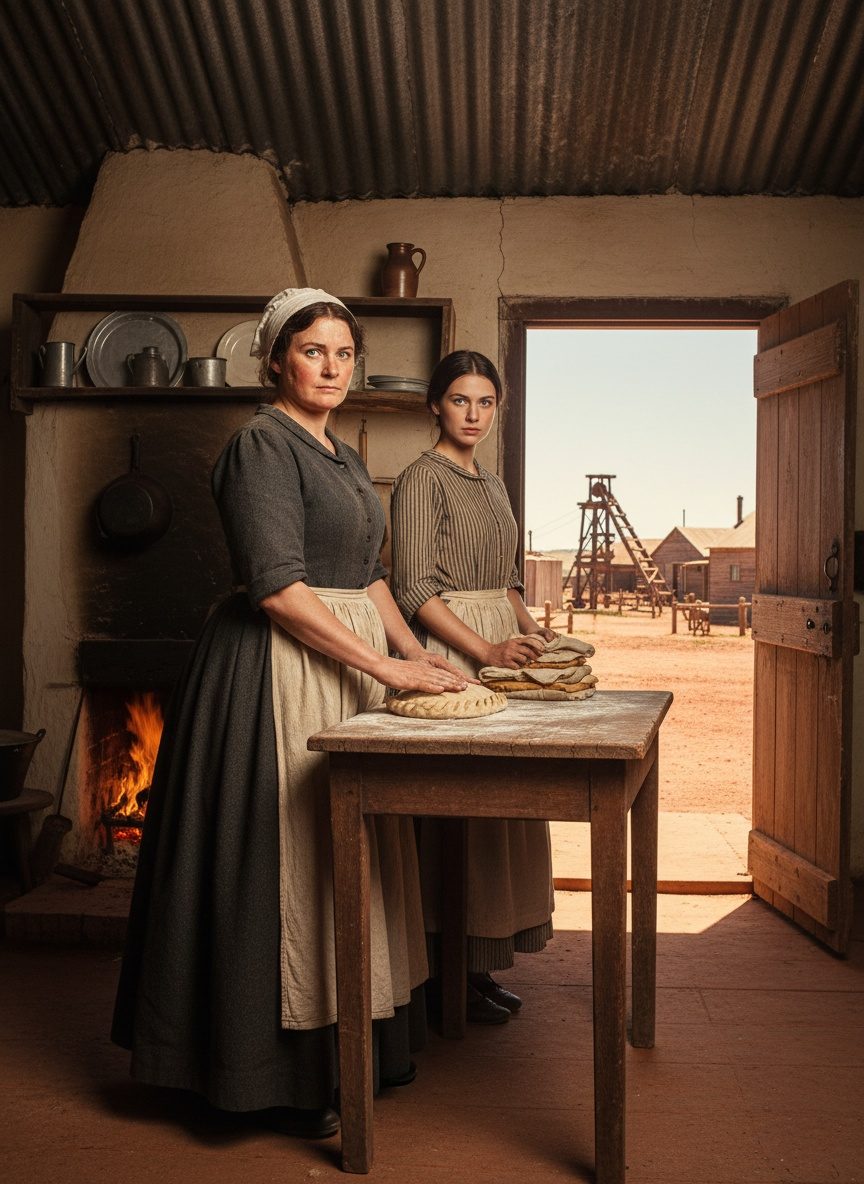
The land beneath their boots was unforgiving. Yet these Cornish women turned barren dust into kitchens brimming with life.
The Decision to Journey Across the Seas
In the heart of 19th-century Cornwall, the chapel bells didn't just summon worshippers; they rallied resolve. The great copper mines of South Australia lured the Cornish with the promise of abundant ore, a stark contrast to the depleting tin streams of home. On a brisk morning in 1872, Mary John leaned into the wind at Cornwall’s rugged cliffs, her eyes fixed beyond the horizon. She was not merely traveling; she was uprooting her life. Her husband, like so many others, had left months prior, lured by the bounty of Burra’s mines. For Mary and countless women like her, the ensuing journey across twelve thousand miles of ocean was a leap into the unknown.
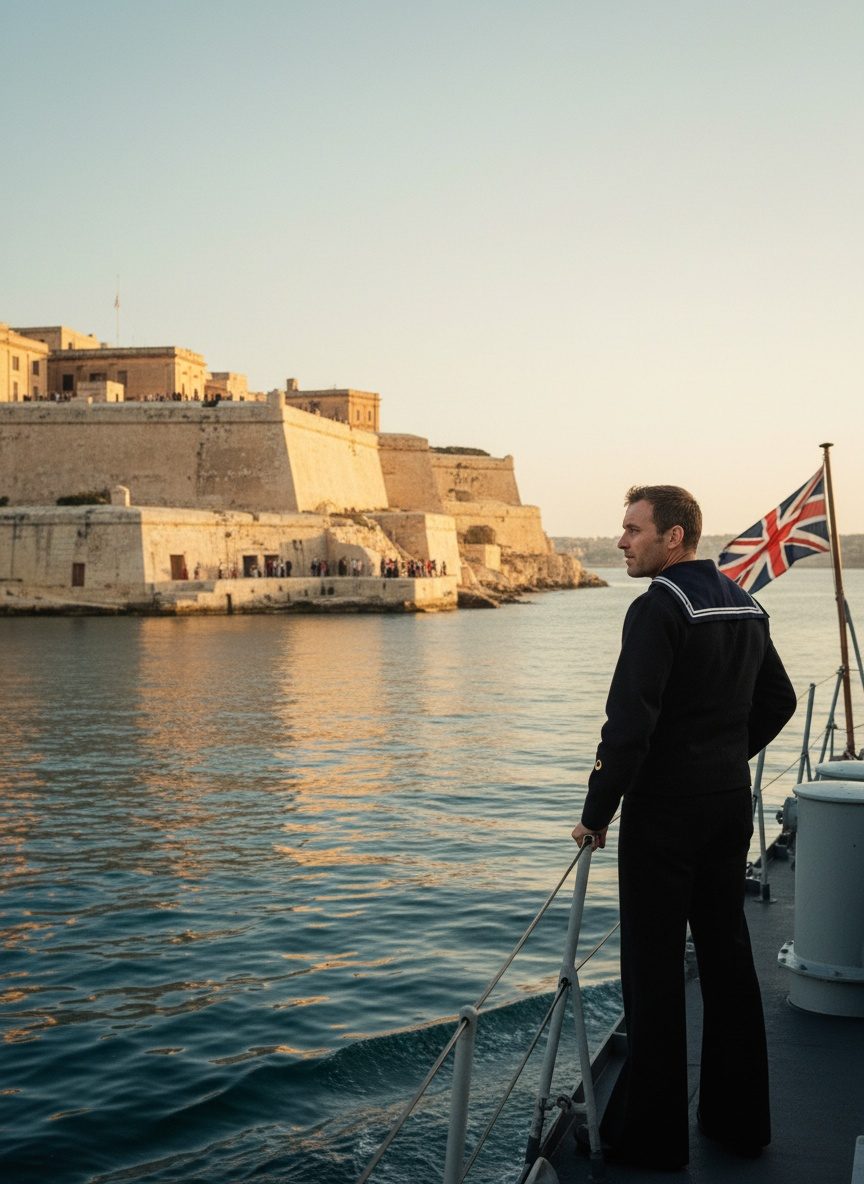
The steamship, a behemoth vessel rocking gently at anchor, was their chariot. For weeks, the travelers knew the vast Atlantic not only by its sweeping grandeur but also through the camaraderie woven on its decks. Battered by salt winds and solitary days, these women, with hands calloused from years of work, carried more than just their scant belongings. Tucked away were heirlooms of family recipes, vessels resonating with generations past. Among them, a signature legion: the Cornish pasty, a culinary relic whose worth went unquestioned.
A Kitchen in the Red Dust
Upon arrival in Burra, the alien landscape was both breathtakingly vast and oppressively isolating. The sun bleached the land a fierce red, and the heat seemed to magnify every unfamiliar sound. Yet, within makeshift settlements, echoing with the dialects of their homeland, the Cornish wives set about forging a new existence. They transformed canvas-covered shelters and tin-roofed hovels into bustling kitchens. Brick by brick, they shaped rudimentary stoves, shielding their flames from the ever-present dust.
Each day, these kitchens became the heart of community life. Through open doorways drifted the tantalizing aroma of onions, potatoes, and chunks of tender beef, clouded by the ever-present red dust of the desert and savored collectively. The beloved pasty, tailored by each set of hands, was meticulously crafted. Its robust dough encased not just sustenance but a slice of heritage. To the mining gangs of Burra, each bite was home.
Feeding the Multitudes
As the mines dug deeper into the earth, the demand for strength and stamina grew relentless. Sleek rail lines snaked across the scarlet landscape; mechanical behemoths churned with an insatiable hunger for metal. Yet, it was the Cornish pasty that sustained the miners, a culinary link to their roots, a source of energy, and a silent communicator of care from those they loved.
Feeding a fastidious workforce was no small feat. Entire shifts could pass without respite, with the Cornish pasty serving as the miner's portable feast. Designed to be eaten with dirt-caked hands, its thick crust was more than just a vessel; it was tradition served hot and filled—a pragmatic meal built for the hardworking man but baked with the artistry of the Cornish spirit.
The Threads That Bound a Community
In the forge of each kitchen, a web of friendships unfurled. These women, drawn not just by survival but by a desire to nurture, forged connections through shared recipes and tales of distant homes. As children played underfoot among earthenware and flour-dusted surfaces, a distinct Burra community emerged from a tapestry woven of dialects, customs, and unwavering faith.
Some nights, music and merriment would coil warm from the depths of community halls. Cultural gatherings became hallowed sanctuaries, where folk songs traced the sailing routes their mothers had charted, aural mementos clinging as fiercely as echoes to a cave wall. Amid this vibrant mix, kitchens were crucibles of resilience and memory, ingredients that perpetually seasoned the tradition of Cornish women led by the flame of familial preservation.
Why This Tale Endures
Centuries have swelled and receded since those pioneering Cornish families anchored in Burra, yet their indelible influence reverberates throughout the region to this day. The pasty remains more than just a local delicacy; it signifies unity, perseverance, and a testament to an unwavering spirit transported across oceans.
The legacy of these Cornish women underscores an elemental truth: that in building stone hearths on foreign soil, they kindled more than mere fires—they ignited hope and sustained communities. Their story matters because it exemplifies the power of ordinary lives shaping not only their destinies but the destinies of regions and generations yet to unfold. Today, the echoes of their resilience ring like the timeless call of a chapel bell, inviting us to remember, to share, and to pass on the stories that textbooks often overlook but hearts forever cherish.