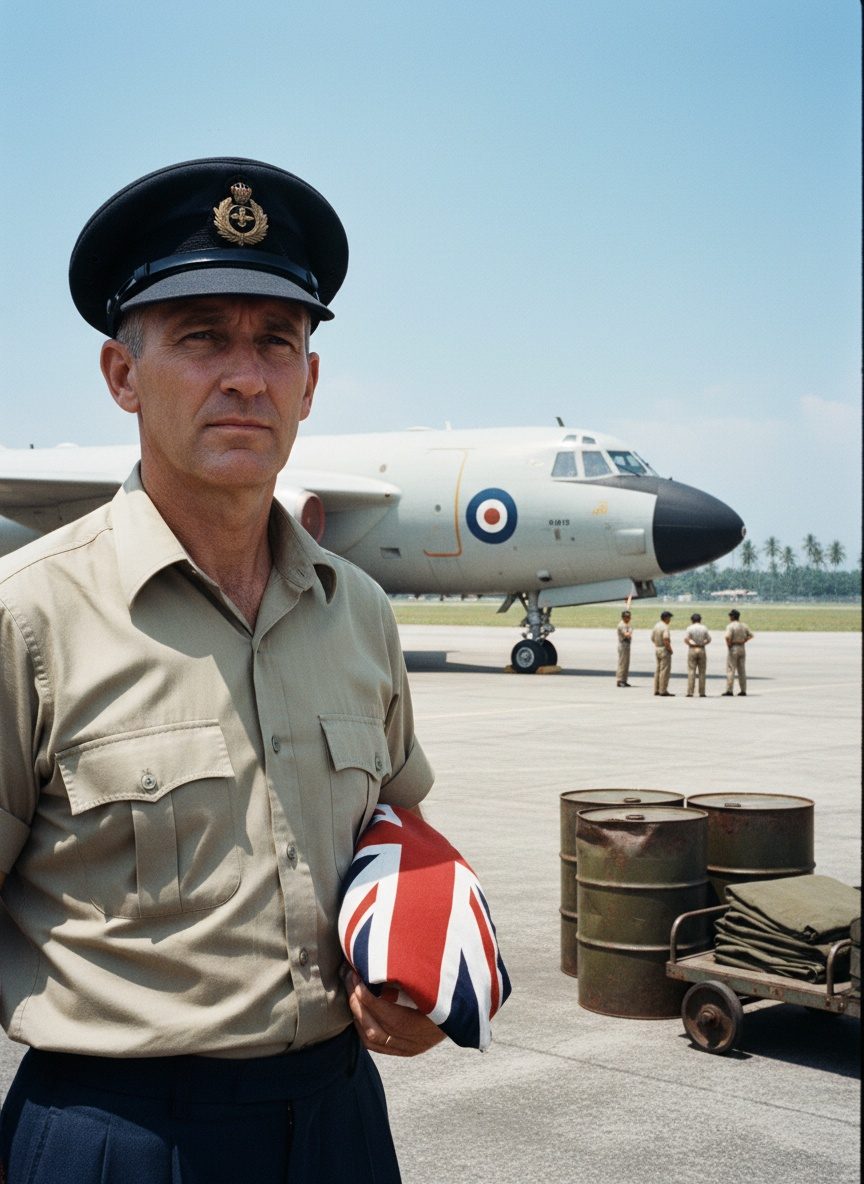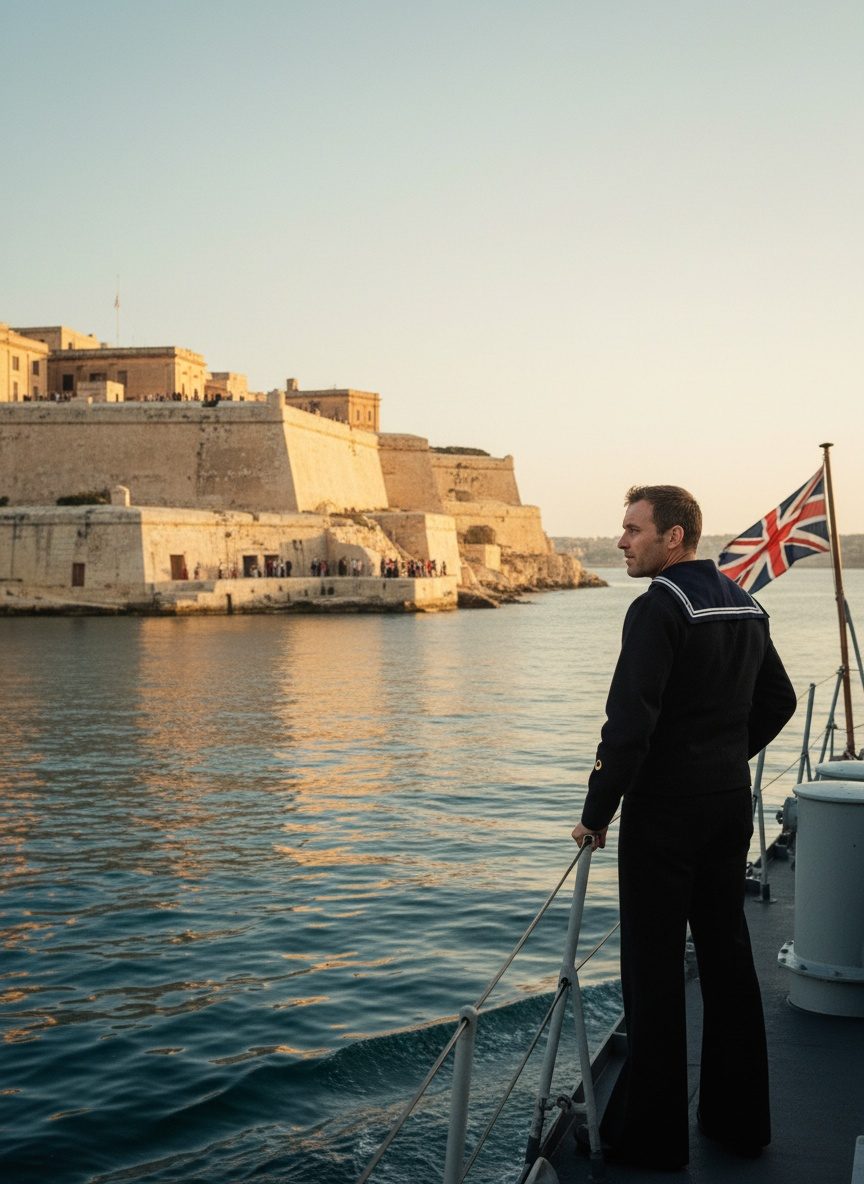
The shriek of steam whistles filled the air as the HMS London cut through the calm waters of the Grand Harbour, its wake a white trail against the cerulean spread of the Mediterranean. The January air was crisp, and the silhouettes of Maltese families lined the ancient battlements, their eyes fixed on the mighty vessel—mission complete—slipping away and taking with it the final chapter of an era that had shaped the lives of countless generations. Church bells tolled solemnly from the island’s rustic belfries, their mournful echoes mingling with the sound of seabirds that circled overhead, oblivious to the historical weight of the moment.
The Distant Beat of War Drums
For 179 years, the strategic significance of Malta had been tethered to the heartbeat of the British Empire. Nestled midway between the Strait of Gibraltar and the Suez Canal, this limestone jewel was a keystone in Britain’s global naval supremacy. During the Napoleonic Wars, before the island fell under British control, the Maltese petitioned for their own liberation, banking on British protection against the French. With the Treaty of Paris in 1814, Malta officially became a British Crown Colony, and thus began its transformation into a formidable naval base.
Over decades, Britain fortified Malta's harbors, transforming them into impregnable bastions against any who dared challenge the waters of the Mediterranean. From these very walls, Britain orchestrated naval operations during two World Wars, ensuring the island’s survival under relentless siege and contributing to monumental victories. This was no ordinary fortress; Malta was the lion prowling the sea, alert and powerful, securing shipping routes and projecting British might across three continents.
Echoes of Sails and Gunpowder
As the years wore on, the fortifications became storied symbols of colonial power, bustling with activity during the height of empire. Dockyard workers, resplendent in their uniforms, hustled about, maintaining fleets while towering cranes loaded and unloaded cargo. The clamor of tools and the salty tang of the sea were constants in the backdrop of daily life. The island’s capital, Valletta, echoing with stories of old, was where traditions mingled with the tides. Yet, by the late 20th century, the imperial resonance that once dominated the limestone battlements grew quieter.
By the time HMS London slipped its moorings on that March morning, Malta had been independent for over a decade, since 1964, though British forces remained stationed on the island to ensure a seamless transition. The shifting political landscape in Europe and the growing call for self-determination among Commonwealth nations signaled the inevitable drawdown of imperial presence. Malta's growing insistence on national sovereignty coupled with strategic reevaluations within the British government turned its once indelible military presence into a relic of a bygone era.
A Sovereign Spirit Rising
For every British presence etched into the stone, there were generations of Maltese citizens whose lives intertwined with the ebb and flow of naval fortunes. The island’s economy, culture, and even its dialect bore witness to British influences. March 31, 1979—Jum il-Ħelsien, Freedom Day—would forever mark the rebirth of a nation striving for its own identity free from the vestiges of colonialism.
The atmosphere resonated with expectation and solemnity as Malta entered an uncertain future, elegantly balancing on the precipice between old alliances and new opportunities. The authoring of its path was now entirely in local hands—no longer a pawn on an imperial chessboard but a sovereign entity within the community of nations. The Grand Harbour, now silent of British commands, awaited new tales—tales of an island asserting its own voice, ready to engage with the world on its own terms.
Sailing into History’s Horizon
Seen from Fort St. Angelo or the Upper Barrakka Gardens, the grandeur of Malta’s harbor remained unwavering. But the scene was different. It no more anchored ships that commanded oceans, no more resounded with orders barked in raucous English tones. Yet there was beauty and promise in this serene moment. Malta was free. No longer just a tactical point on a map but a nation ready to forge its own narrative.
As the HMS London disappeared into the horizon, nothing but the mournful cry of gulls and the clinking of waves against the quayside broke the silence. An era that had begun with cannons and conquest faded gently into memory, leaving behind the echoes of an island that for nearly two centuries had lived at the heart of the British Empire’s grasp on maritime dominion. It was a new dawn. One of Maltese determination, identity, and, ultimately, destiny.
Even as Britain’s sun set over Valletta, its last vessels receding into history, the harbors of Malta remain a testament to resilience and transformation—a reminder of empires’ eventual mortality and the enduring spirit of peoples who rise anew. Within the quietude lay the power of possibility, an echoing reminder to all of the ever-evolving nature of history, bidding those who witness to craft rather than merely inherit their futures.