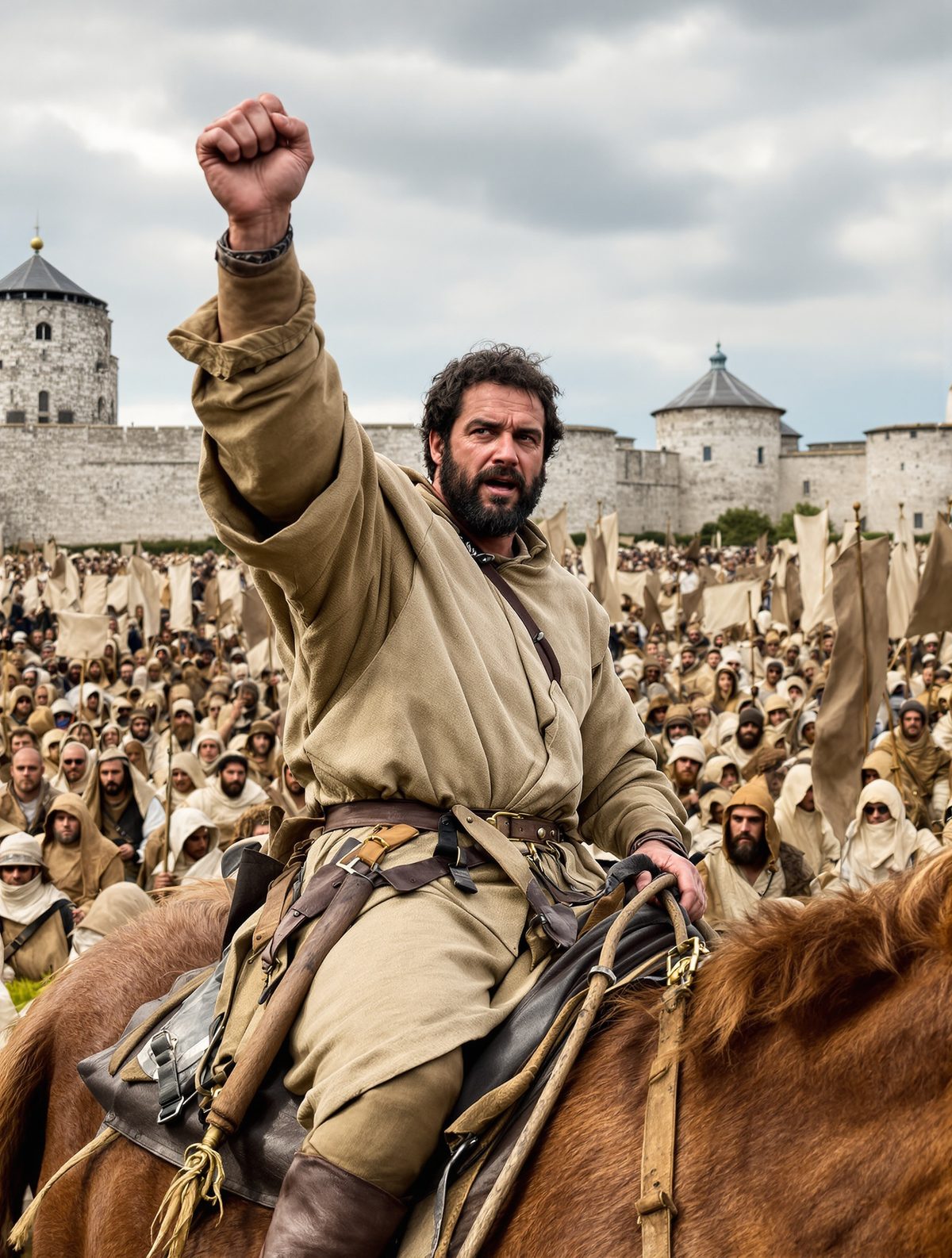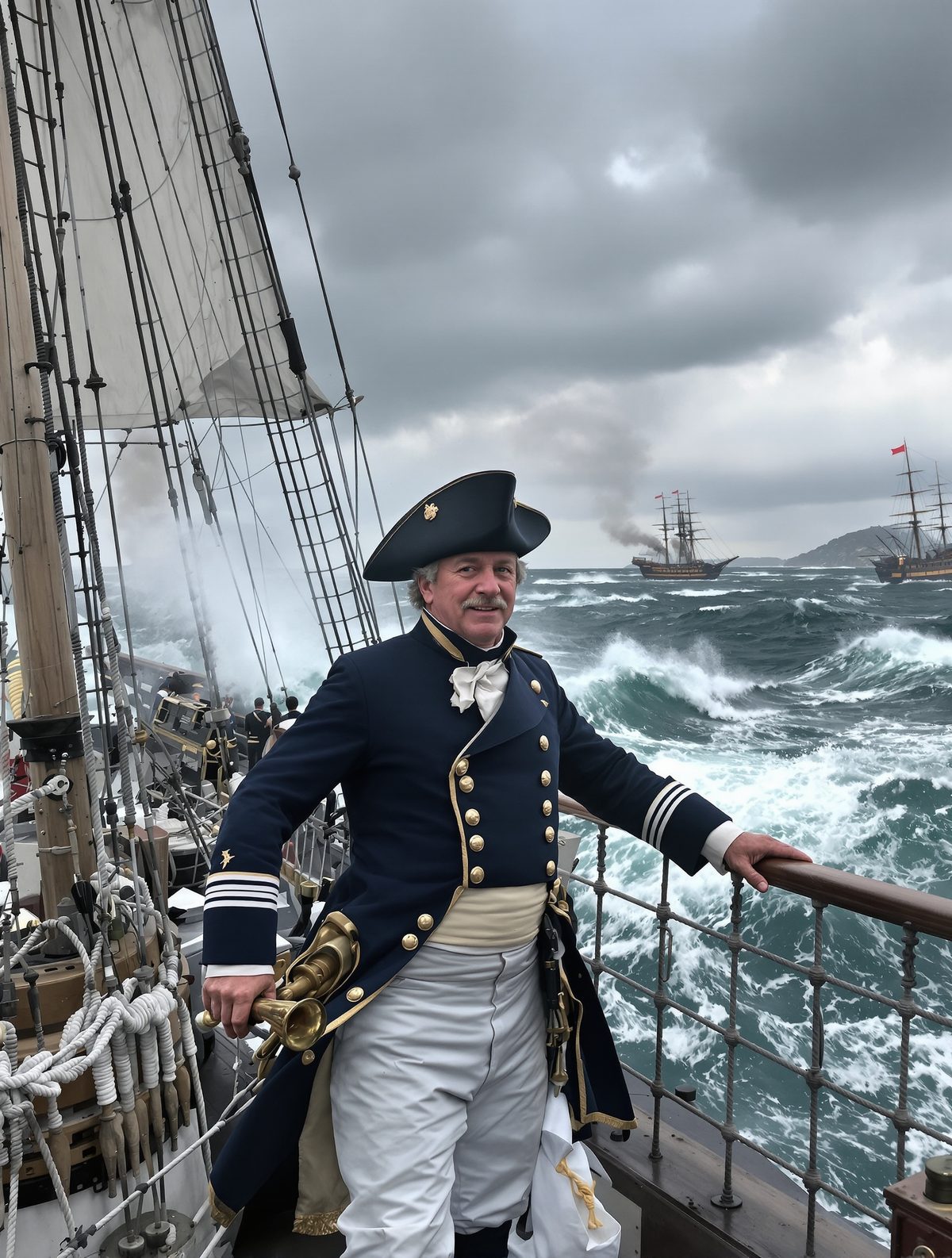
Amidst the chaos of crashing waves and howling winds, an epic naval engagement that would alter the course of history unfolded. On November 20, 1759, as the elements raged across the Atlantic, an audacious decision was made by Britain's Admiral Edward Hawke. In what would become one of Britain's most celebrated naval victories, Hawke took the reins of fate, steering into the storm rather than away, toward Quiberon Bay where an invasion armada awaited. Here, he wouldn't just meet the enemy; he would decimate them, ensuring an enduring peace to Britannia's shores.
The Gathering Storm
The scene was set months prior as France mustered its forces for what was to be an unprecedented assault on British soil. The French fleet assembled in the sheltered waters off the coast of France—a formidable 21 ships of the line, brimming with soldiers destined to cross the English Channel and break Britain’s defenses. In the balance hung the future of an empire, as the French sought to turn the tides of the Seven Years' War with a bold land assault.
This fleet, under the command of Marshal de Conflans, was the cornerstone of France's strategy to sweep across the Channel, yet few foresaw the hand fate would soon deal. Few, except for one keen-eyed British officer in pursuit, whose patience was about to pay off in spectacular style.
Chase in the Tempest
As November bore its typical fury, Hawke’s squadron patrolled the French coast with the diligence of a man anticipating a clash with destiny. The HMS Royal George raced across the rough seas, leading a squadron eager to intercept a long-elusive opponent. The sighting of Conflans’ hoisting sails on the morning of November 20th was the opportunity Hawke had awaited like a crouched lion.
Conventional wisdom and centuries of maritime tradition counseled caution; no sane admiral would pursue a fleet into such treacherous shoals during a storm. Yet, fortune has always favored the bold, and Hawke's mind was resolute. Straining against the wind, his disobedience of nature’s admonitions became an epitome of British naval daring, the likes of which the enemy had no reckoning.
The Maelstrom of Combat
The jaws of Quiberon Bay opened to receive their toll as Hawke charged ahead, hot on the heels of the retreating Conflans. The bay, notorious for its hidden reefs and erratic tides, was a labyrinthine deathtrap. Still, under a sky splintered by lightning and rain that swept like icy darts, the battle unfurled with a ferocity that few would forget.
On the afternoon of that thunderous day, as the two adversaries locked horns near the coastline of Brittany, the might of iron and fire was unleashed. The French flagship, Soleil Royal, came under relentless bombardment, driven to the rocky shallows, followed soon by several compatriots. Even amidst such chaos, an act of sheer bravado distinguished itself when Captain Keppel of HMS Torbay drove his ship headlong into the heart of the enemy’s formation—guns blazing from every deck.
A Devil's Gambit
Surprising numbers of the French fleet foundered on unseen sands, trapped above the rising tide simply due to Hawke's gamble. Notably, though, Admiral Hawke's veritable tightrope walk bore a cost. Months of deprivation had taken a toll, and many British ships were low on powder and classified entirely unseaworthy by age-new standards. Yet there, within striking distance of France’s invasion threat, Hawke commanded absolute devotion from his men.
As twilight descended upon the storm-tossed waters, victory belonged to the British. Between the guns, the tempest, and the impenetrable shoals, the French invasion was unequivocally crushed. Of the grand armada intended to bring Britain to its knees, only a handful made a hasty, disorganized retreat.
Echoes of Glory
The Battle of Quiberon Bay did more than safeguard the British Isles from immediate invasion; it cemented the legend of a navy whose audacity and dexterity echoed in history. Edward Hawke, once an obscure admiral, etched his name in the annals of maritime lore alongside the likes of Drake and Nelson.
Today, the story of Quiberon Bay often finds itself overshadowed by grander tales, but its importance remains undiminished. The battle stifled French ambitions, enabling Britain to maintain its war effort, culminating in the Treaty of Paris and the eventual restructuring of empires.
In an age where warfare rarely asks for such intense human endeavors, we might take for granted the apparent outcomes of the past. Yet, the actions of Admiral Hawke and his sailors remind us that courage in the face of the storm is timeless. It is their spirit we celebrate, those moments that defied logic but not instinct, securing a moment in time that set the course for a nation.