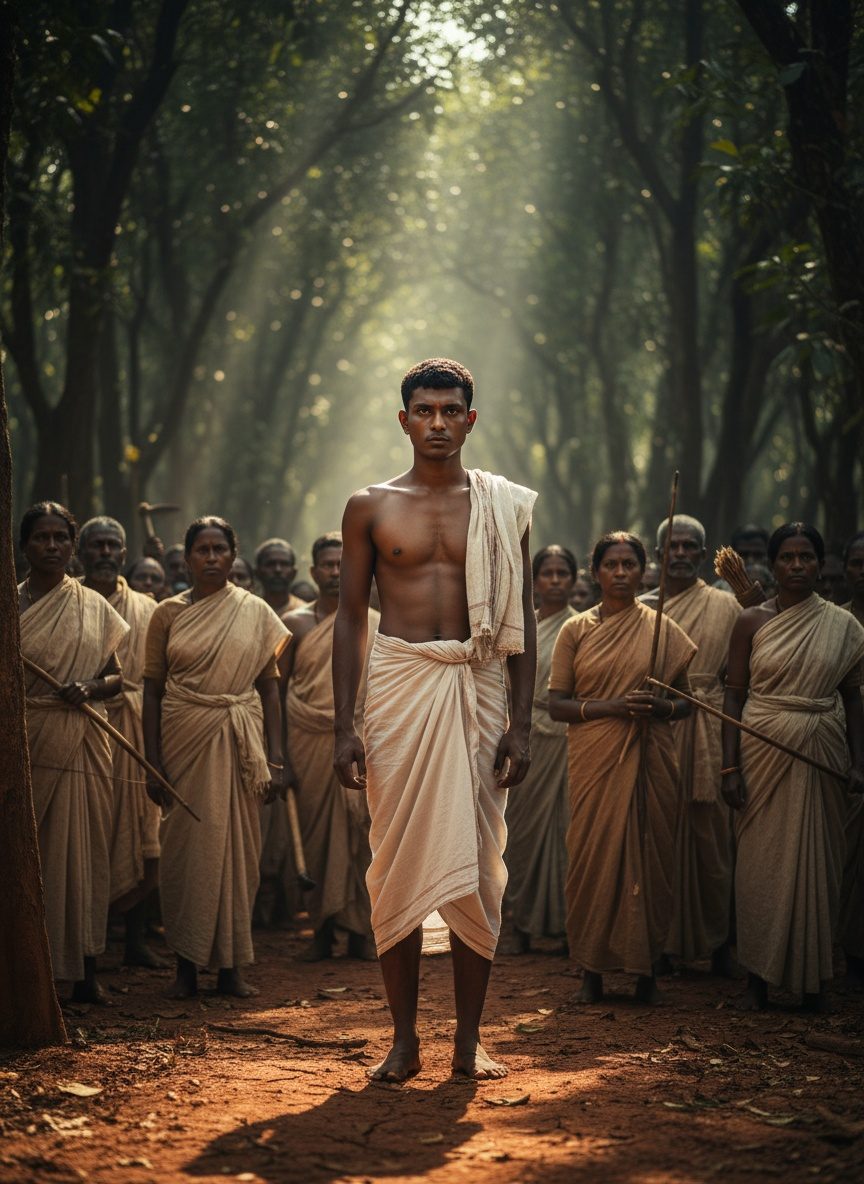
The ground trembled lightly as scores of bare feet stamped the earth, a rhythmic dance of defiance echoing through the lush forests of Jharkhand. Birsa Munda stood amidst the swaying crowd, his voice piercing through the morning mist, urging his people to reclaim what was rightfully theirs. The British, he warned, had come to take what belonged to the earth’s children, and it was time to rise in unison for the land of their ancestors.
The Whisper of the Forests
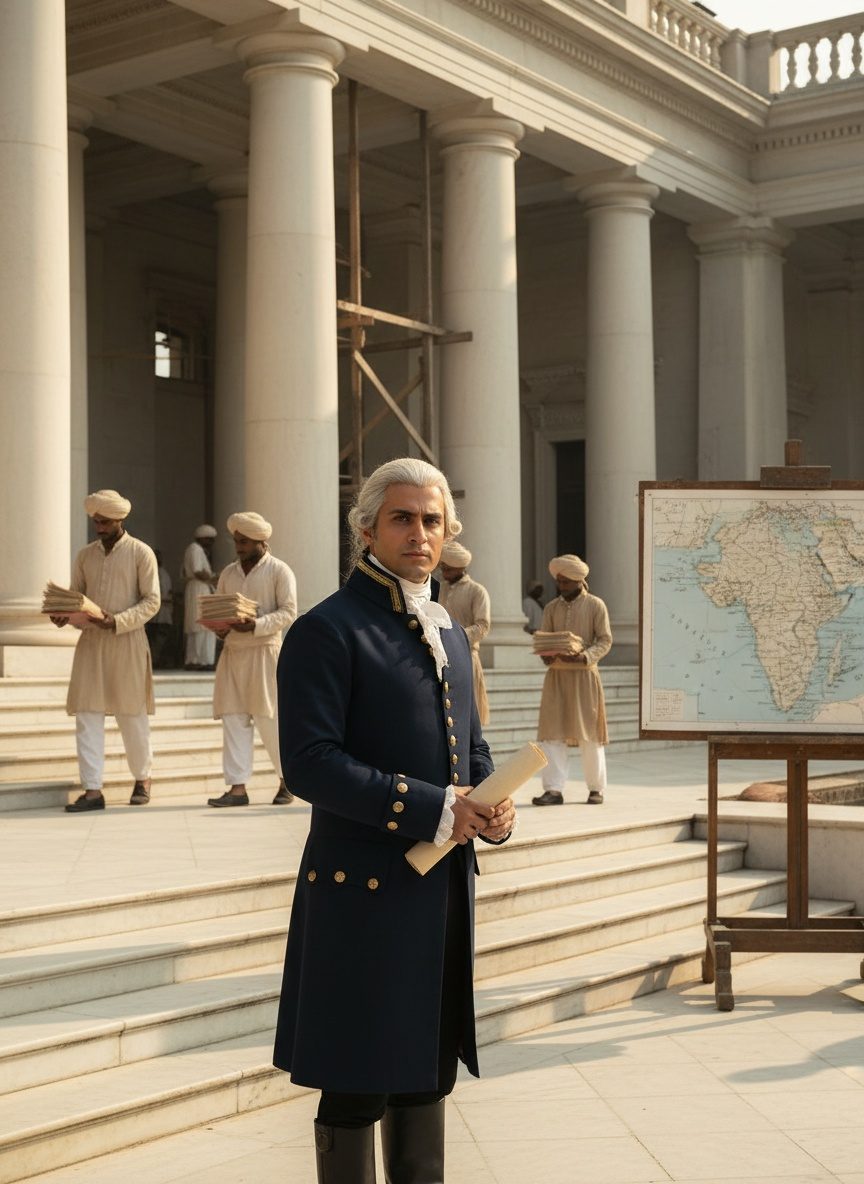
The late 19th century was a tumultuous time for the indigenous tribes of India. As the British Empire expanded, tribal lands in Chotanagpur were wrested away, the forests of Jharkhand cleared for agriculture and resource extraction. To the Santhal, Munda, and Oraon tribes, these lands were sacred, the lifeblood of their existence and culture.
Birsa Munda was born in 1875 in Ulihatu, a village nestled within these ancient woods. From a young age, Birsa witnessed how colonial policies threatened the tribal way of life. The introduction of the zamindari system disrupted traditional land tenure, replacing communal ownership with exploitative leasing. Forests were entrusted to contractors who forced tribals into demeaning indentured labor.
By his late teens, Birsa had transformed from an observant youth into a charismatic leader, drawing large gatherings where he shared his vision. He spoke of a world where the tribes could thrive freely, fostering a spiritual and social revival against the oppressive clutches of the Dakus — the exploiters, a term he used for landlords and British alike.
Birsa, The Prophet
In the late 1890s, Birsa emerged not just as a leader, but as a prophet among the Munda people. Rumors of his divine powers spread, fueling a messianic fervor. Birsa’s call for a golden era, a “Ulgulan” (meaning 'The Great Tumult'), resonated with the tribals’ yearning for self-rule and spiritual autonomy.
Birsa lit the flame of rebellion in his people with his powerful oratory. He declared their rights over their 'mud, water, and jungle' — the trinity that represented their life and faith. Church bells rang across the villages for social gatherings, but under the shade of sal trees, Birsa preached a different doctrine: overthrow the foreign yoke, fight the landlords, and return to their roots.
The Mundas met in secret conclaves, their resolve strengthened by his words. From Khunti to Ranchi, word spread that Birsa was spearheading something unprecedented. By 1899, the movement had grown, uniting not just the Mundas, but neighboring tribes as well, under one call for justice and land reclamation.
The British Response
The colonial government could not ignore the swelling revolt led by what they saw as a renegade orchestrating dissent from the leafy bastions of the jungle. The situation was dire enough to prompt the deployment of British troops, determined to stamp out the uprising before it upended their administration.
In January 1900, the British forces engaged with the tribal revolutionaries in the forests, sparking skirmishes that rang with the defiance of wooden bows against the echo of gunfire. Birsa Munda led his followers, armed with little beyond their indomitable spirit and traditional weapons. The skirmishes were fierce, but lack of arms and resources began to wear on the insurgents.
Betrayal by an informer led to Birsa’s capture on February 3, 1900. The enigmatic leader who had so captivated his people was held without the pomp of his spectral gatherings in the village of Jamkopai on the banks of the Tanga river. The arrest sent a tremor of despair through the Munda lands, yet Birsa’s spirit persevered in those who cherished his vision.
A Legacy of Fire and Earth
Despite his untimely death on June 9, 1900, in the Ranchi jail under suspicious circumstances, the story of Birsa Munda continued to fan the flames of resistance against colonial domination. His remarkable quest for justice and the rights of the indigenous people resonated well beyond his homeland, becoming an emblem of resilience and resistance.
Today, Birsa’s legacy endures, from his impact on the awareness of tribal rights to his influence on later independence movements. The Birsa Munda Hockey Stadium in Ranchi stands testament to his enduring spirit, a modern beacon amidst the fields where he once roamed. This stadium, built much later in 1990 and having seen renovations since, boasts the grandeur of its astro-turf and facilities, yet takes its true identity from the man after whom it is named.
The tale of Birsa Munda is not just one of a battle for land or a clash with colonialism. It is a narrative of identity, belonging, and the fiery conviction of a people uniting under a singular voice to demand recognition and respect. It reminds us that even in the world's shadows, there exist stories of profound courage and vision that push back against the tides of history. Thus, Birsa’s call for justice reverberates, an enduring symphony in the annals of India’s fight for sovereignty.