The British Empire was unshakeable. Its colonies were dissolving faster than tea in a Nairobi teacup.
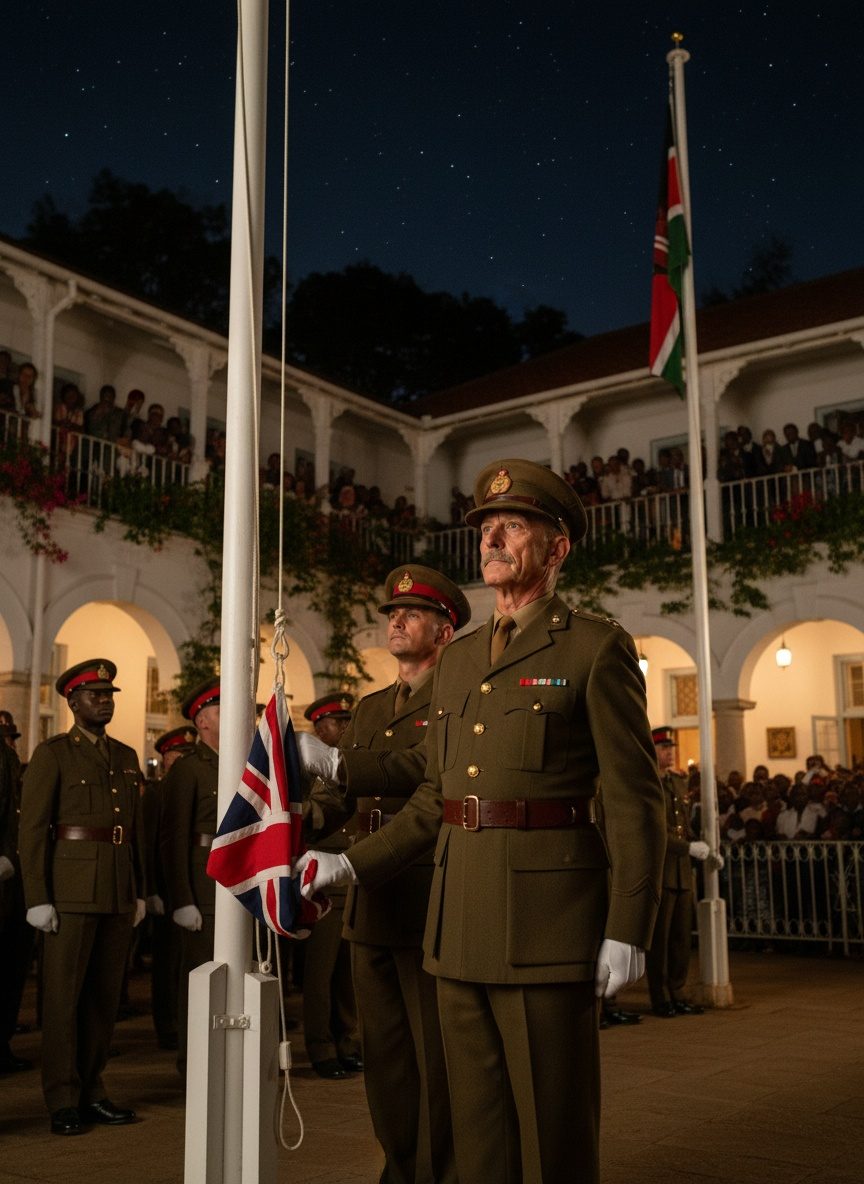
As the clock ticked towards midnight on December 11, 1963, shadows danced across the assembly as a hush descended over a watching crowd. This was not just any night; it was a ceremony marking the end of an era. The British garrison in Kenya stood at attention, a symbol of imperial might reduced to a night-time silhouette. It was a heartbreaking but necessary salute to a new dawn. The lowering of the Union Jack was more than a military maneuver; it was the last breath of a British authority that had held sway here for four decades.
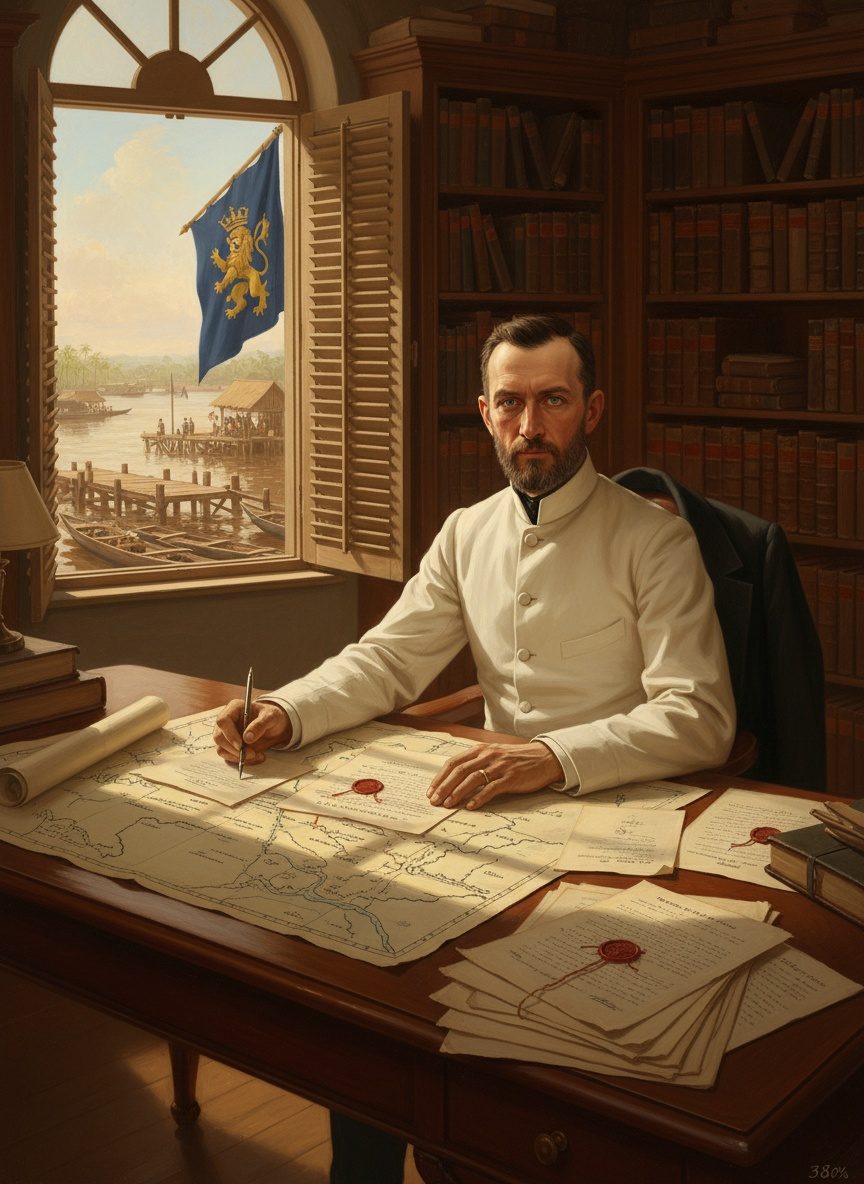
This moment did not unfold on an untrodden path. Britain's involvement in Kenya had been a tapestry of exploration, exploitation, rebellion, and finally, reluctant release. The colony was first claimed as a protectorate in 1895, making its transition to a crown colony status in 1920. For the British, Kenya was a prized possession—a sparkling jewel. The promise of fertile lands drew settlers, bringing with them dreams of transformation. Vast stretches of the highlands were dubbed the "White Highlands," reserved for European farmers who established extensive coffee and tea plantations. Beneath the surface, the tensions simmered like an untamed equatorial thunderstorm.
The ensuing decades bore witness to the Mau Mau Uprising, a term that still resonates with the bitter cries of resistance against colonial rule. It was a war not merely of weapons but of wills; Kenyans, led by grassroots movements and leaders, sought to reclaim what was ancestrally theirs. The conflict reached its fever pitch in the 1950s, leading to a draconian state of emergency that further alienated the British from the people they sought to govern. Their iron grip rusted, and as the years waned, the calls for independence grew more insistent.
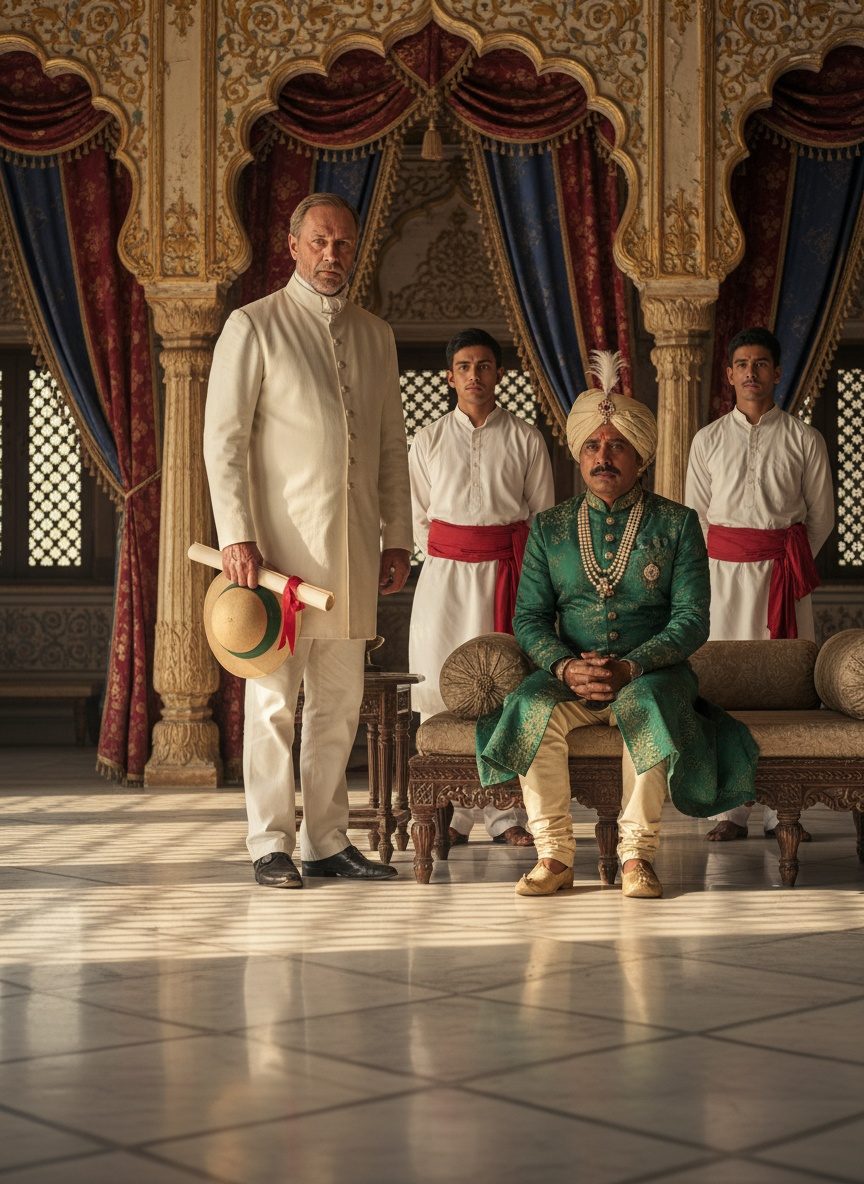
Yet, even amid the growing exigency for autonomy, the British were not without understanding. The gale of change was sweeping across Africa. Ghana marked the beginning, and as more nations dared to raise new flags, the map of Africa was being redrawn with profound rapidity. To remain blind to this transformation would have been folly. The British, pragmatic in retreat, began orchestrating a controlled transition, bargaining with Kenyan leaders like Jomo Kenyatta, who would herald a new era. The negotiations were intricate, fraught with the tensions of redistribution of land and power.
So it came, on this significant December night, that all eyes were fixed on a lone flagpole in Nairobi. As the Union Jack unfurled gracefully down to its handlers, hearts across the nation swelled in harmony with the hopes for the future. The silence was palpable, a profound quiet broken only by the crisp rustling of fabric—a sound that marked an end and a beginning. In its stead, the newly minted Kenyan flag ascended, its black stripe symbolizing the people, red for their struggle for independence, and green for the land’s wealth and natural beauty. White was added to symbolize peace and unity.
Beyond the obvious ceremonial transition lay the subtle, poignant moments, like the reverberating echo of footsteps as British soldiers filed out of their stations, or the soft rustle of the Kenyan night carrying whispers of tomorrow. Colonial officers exchanged knowing glances, understanding that they bore witness to a history that would soon be inked across textbooks, though never capturing the full spectrum of its emotional charge.
Midnight on December 11 was not a mere changing of the guard. It was a symbolic retreat, where empire conceded to nationhood. The palpable optimism that hung in the Nairobi air was mirrored by the newfound responsibilities the freshly independent Kenyan government had to shoulder. The sun rose on December 12, 1963, over an independent nation with immense potential yet laden with the scars of colonial legacy. Kenyans woke up to a landscape filled with promise and the inevitable challenge of uniting diverse peoples in a shared national identity.
The legacy of British withdrawal from Kenya is a story both personal and political, epitomizing the wider decolonization movement. It serves as an enduring reminder of the ebb and flow of empire, the inexorable rise of self-determination, and the universal quest for dignity and autonomy. As we reflect on that pivotal night when Britain's last soldiers left Kenya, it becomes evident that this moment was both an ending and a beginning. It underscores the resilient spirit of a people who reclaimed their destiny, a canvas still being painted by the citizens of a free Kenya today.