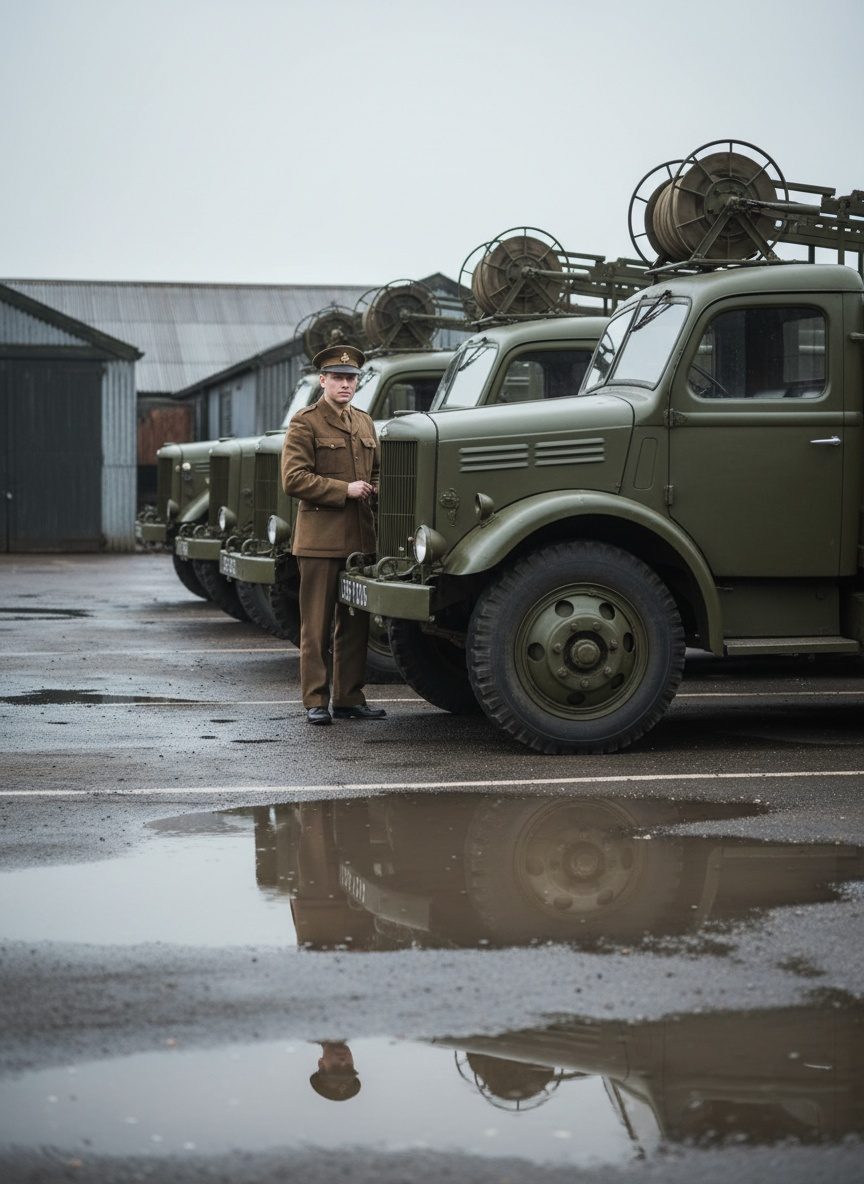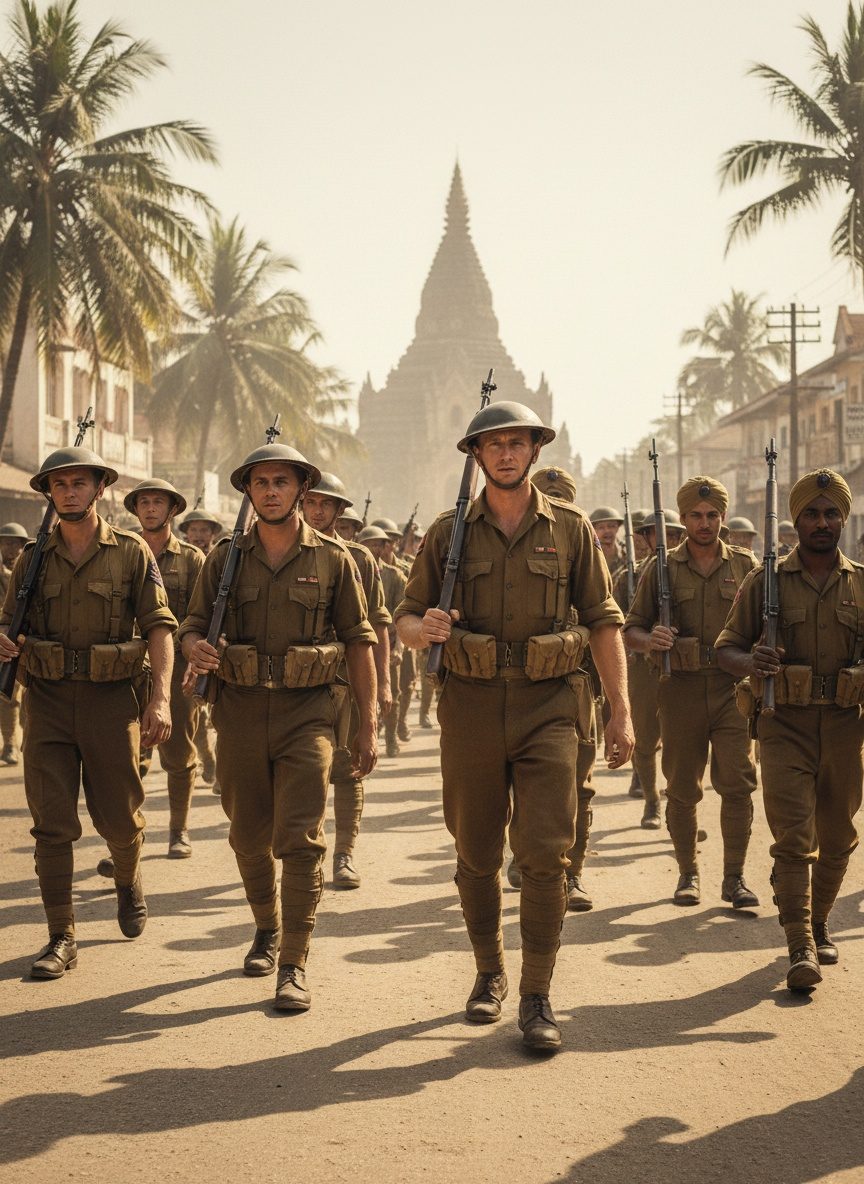
The air along the muddy banks of the Saint Lawrence River was dense with mist, the cold clinging to the skin of soldiers as they readied themselves under a somber sky. Ships edged away from the Quebec City harbor, their hulls slicing through the water, carrying men into the unknown. These were men from the far reaches of Canada, but their roots lay deep on British soil — immigrants called to arms by an empire in need. Their journey was about more than traversing the Atlantic again; it was a passage to a duty that would soon transform into sacrifice.
The Call Across the Waters
In the years leading up to the First World War, Canada was a land of opportunity for many British subjects. It wasn’t merely a colony; it was a part of a greater imperial family, promising vast lands and new beginnings. By 1914, as Britain grappled with the massive machinery of war, these new Canadians had decisions to make. They were still, in heart and allegiance, British subjects, and with the outbreak of war, a clarion call echoed from the British Isles to her dominions worldwide. The call was simple yet profound: to defend the crown and the principles it stood for. It was not just policies and politics at play but a deep-seated sense of duty, tying these men to the fate of the distant island nation from which they had departed.
Across Canada, recruitment stations saw a swell of volunteers, young men eager to don the khaki, driven by ideals, camaraderie, and a sense of belonging to something bigger than themselves. Their accents revealed the true extent of their origins, weaving a tapestry of regions from England, Scotland, Wales, and Ireland. Within the swirl of fog and cold reality, they scribbled farewells and telegrams, the ink setting personal promises that they would return — a vow that so many would find impossible to keep.
Fields of Blood and Brotherhood
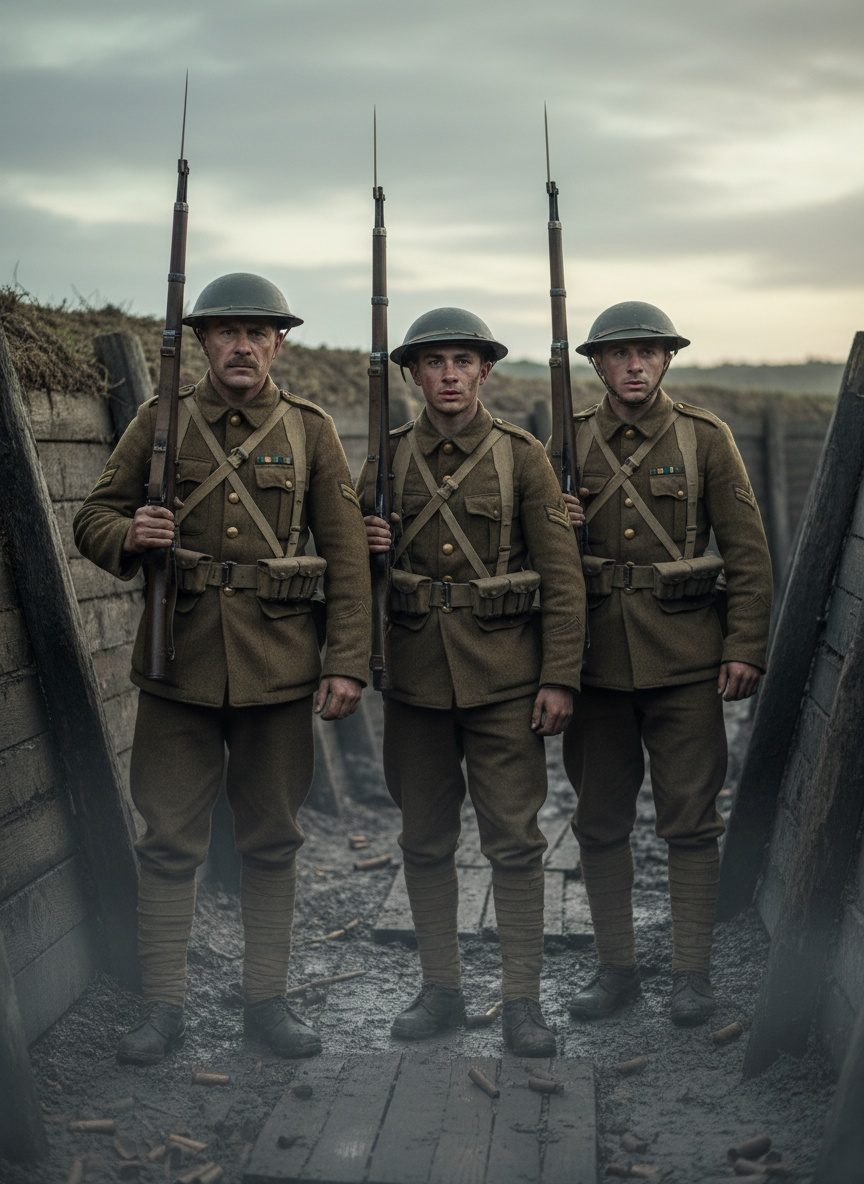
As they disembarked on the European shores, the war’s grim symphony awaited. The frontlines in France and Belgium knew no mercy, and the fields turned into graveyards for a generation. Canadians, many of whom were British-born, found themselves in the thick of trench warfare, facing the relentless hail of bullets and the desolation of no man's lands. The names of battles such as Ypres, the Somme, and Vimy Ridge became etched in the annals of both Canadian and British military history.
The men, fresh from Canadian towns and villages, were quickly forged into units where their shared histories only deepened the bonds of brotherhood. Within the trenches carved into the scarred earth, stories were swapped amidst the thunderous percussion of artillery, tales of cities like Manchester and Edinburgh mingling with burgeoning towns like Toronto and Vancouver. Yet, such moments of reflection were fleeting amid the chaos of war's reality.
Historians estimate that over half of Canada's war dead were men who had been born overseas before answering this call to arms. This sacrifice was testament not only to personal bravery but also to the intricate identity of Canada during these tumultuous years. Such complexities are often lost in the simple narrative of national stories passed down through generations.
The Echoes of Legacy
As the guns fell silent in November 1918, the cost of Canada’s commitment to the war emerged starkly from the shattered remnants of Europe. Men who had left their homes in the serene landscapes of Britain had given the ultimate sacrifice on the fields that were no longer distant foreign lands but a part of their new identity as Canadians. Gravestones marking British names dot cemeteries across Europe, each one a silent witness to the dual allegiance these men carried — to their birth lands and to their adopted country.
This narrative, often overshadowed by prevailing storylines of national sacrifice, reflects the intertwined legacies of empire and immigration. Canada's history of war is not simply about a nation standing on its own; it’s about shared struggles, the blurred lines of identity, and how one generation’s sacrifice knit a tighter bond between the varied paths of eastward immigrants on lands both old and new.
In the years that followed the war, Canada emerged with a stronger sense of identity, yet still inextricably linked to the British crown. The legacy of the British-born Canadians who fought persists as a whisper through history, urging recognition. Their sacrifice remains a powerful reminder that history is woven from the complex threads of individual and collective experiences — stories that demand to be told and retold, as the echoes of those years continue to resonate within the nation's identity today.