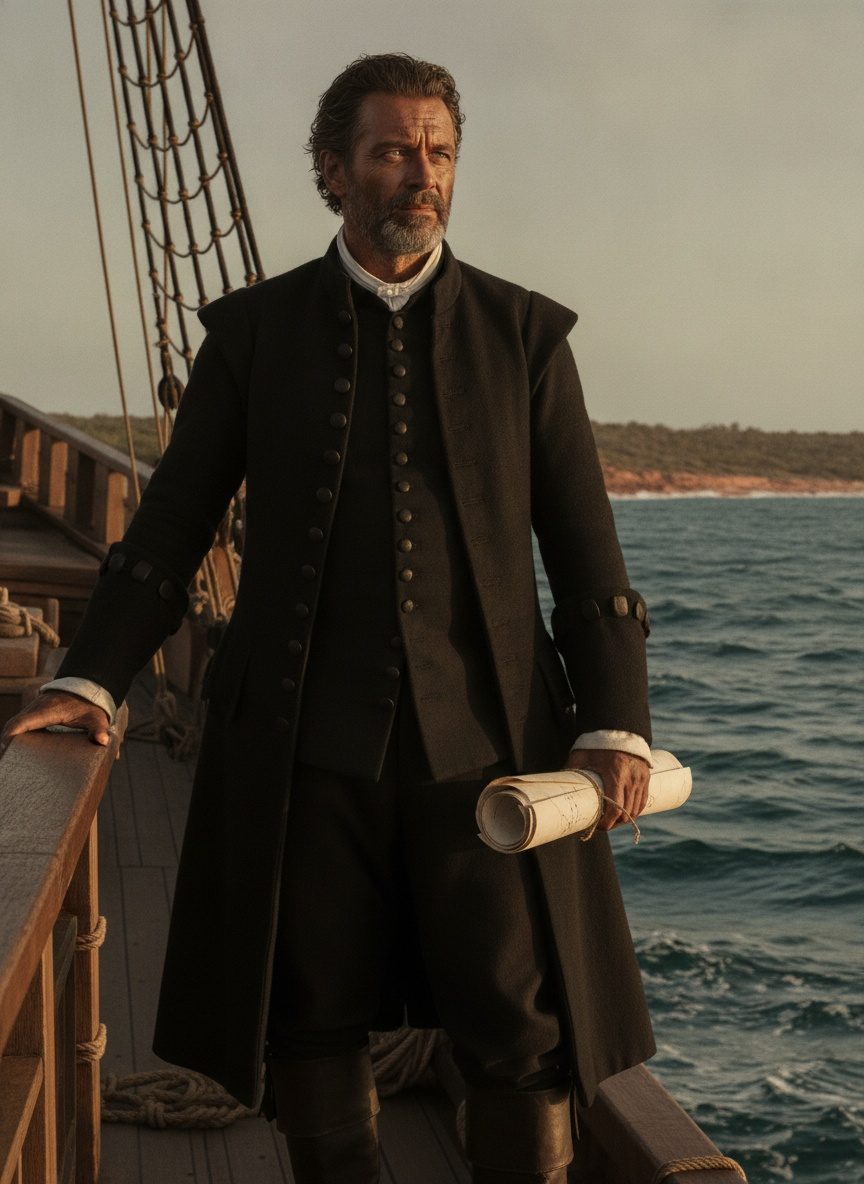
June 1, 1813. The Atlantic shimmered defiantly under the sun's bright gaze.
An Invitation to Battle
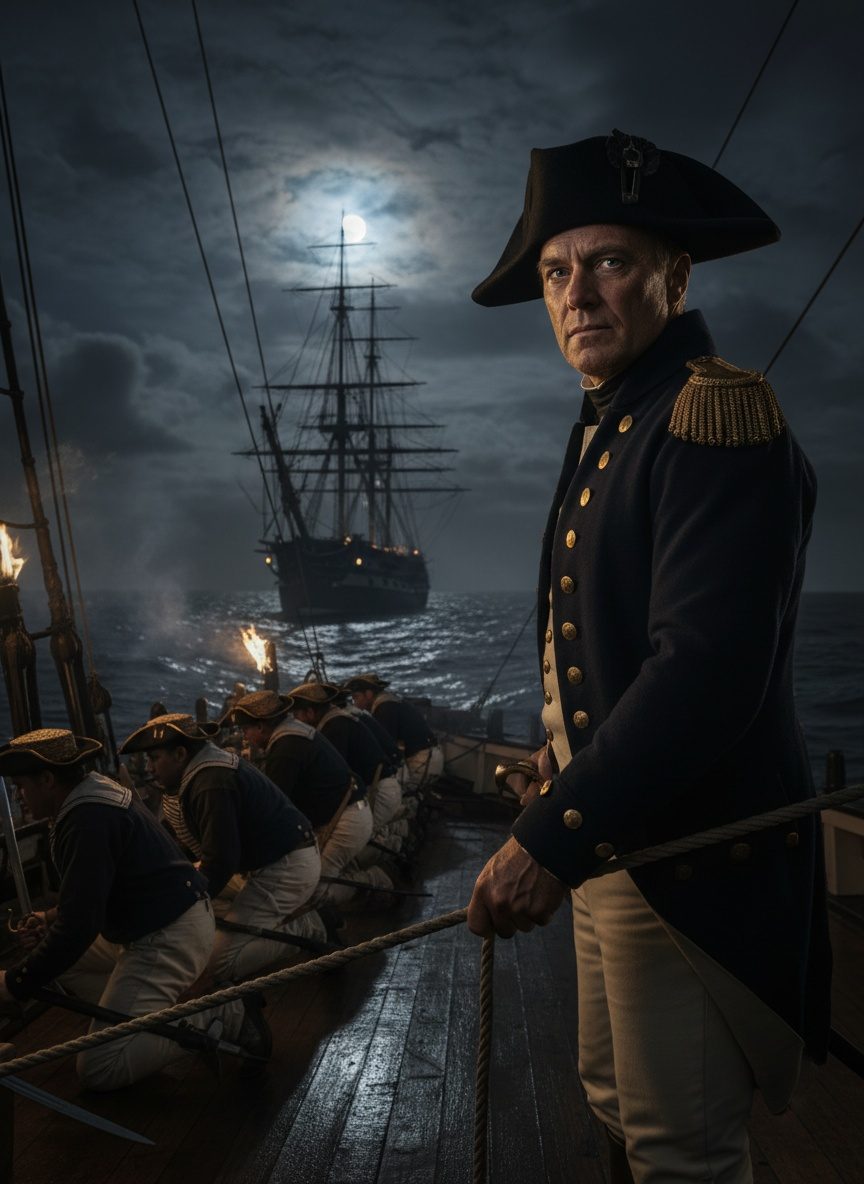
Hovering near the entrance to Boston Harbor, the HMS Shannon awaited a challenging response. Her captain, Philip Broke, was a man of action and valor, and his present desire was straightforward yet audacious: battle. Broke had sent a personal challenge to Captain James Lawrence of the USS Chesapeake, inviting her to emerge from the safety of the harbor and engage in a sea duel. This was a time when naval warfare often turned on the aetherial hinge of honor—a singular invitation rarely proffered and even more exceptionally answered.
The War of 1812 had thus far seen the United States Navy deliver several unexpected setbacks to the supposedly invincible Royal Navy. American frigates, including the Chesapeake, had become a source of national pride, yet also of British consternation. For Captain Broke, eager to restore British naval prestige, this confrontation with the Chesapeake was more than just a battle—it was a chance for redemption.
Engines of War, Fueled by Human Spirit
The USS Chesapeake itself was no ordinary opponent. She represented the quintessential innovations of American shipbuilding: sleek, swift, and equipped with fierce firepower. Her decks lined with guns, she was a potent symbol of American naval ambition. Yet, she harbored more than mere implements of war; her crew possessed a spirit emboldened by victories past.
On the Shannon, Broke’s meticulous preparations had transformed his ship into a highly disciplined fighting machine. This was no easy task; months of drilling had honed his crew into articulate engines of war. Broke’s reputation for rigorous training was well-known, each man aboard the Shannon having been crafted by hands that respected the sea as much as they did the sword.
The Aegis of Luck and Skill
June 1 would witness one of the shortest and most decisive naval engagements in history—a mere thirteen minutes sealed the fate of one ship. As the Chesapeake emerged dauntingly from the harbor at Captain Lawrence’s command, the two vessels closed in a tense maritime ballet. Broke’s strategy was not to bombard recklessly but to approach with patient precision, reflecting his belief in the combined might of luck and skill.
The engagement unfolded rapidly—a flurry of broadsides echoing across the water, the acrid stench of gunpowder permeating the salt-tinged air. The Shannon’s superior training paid dividends as her men swiftly disabled the Chesapeake’s steering and guns, creating chaos and sealing the American frigate’s doom.
Blade in Hand, Heart in Throat
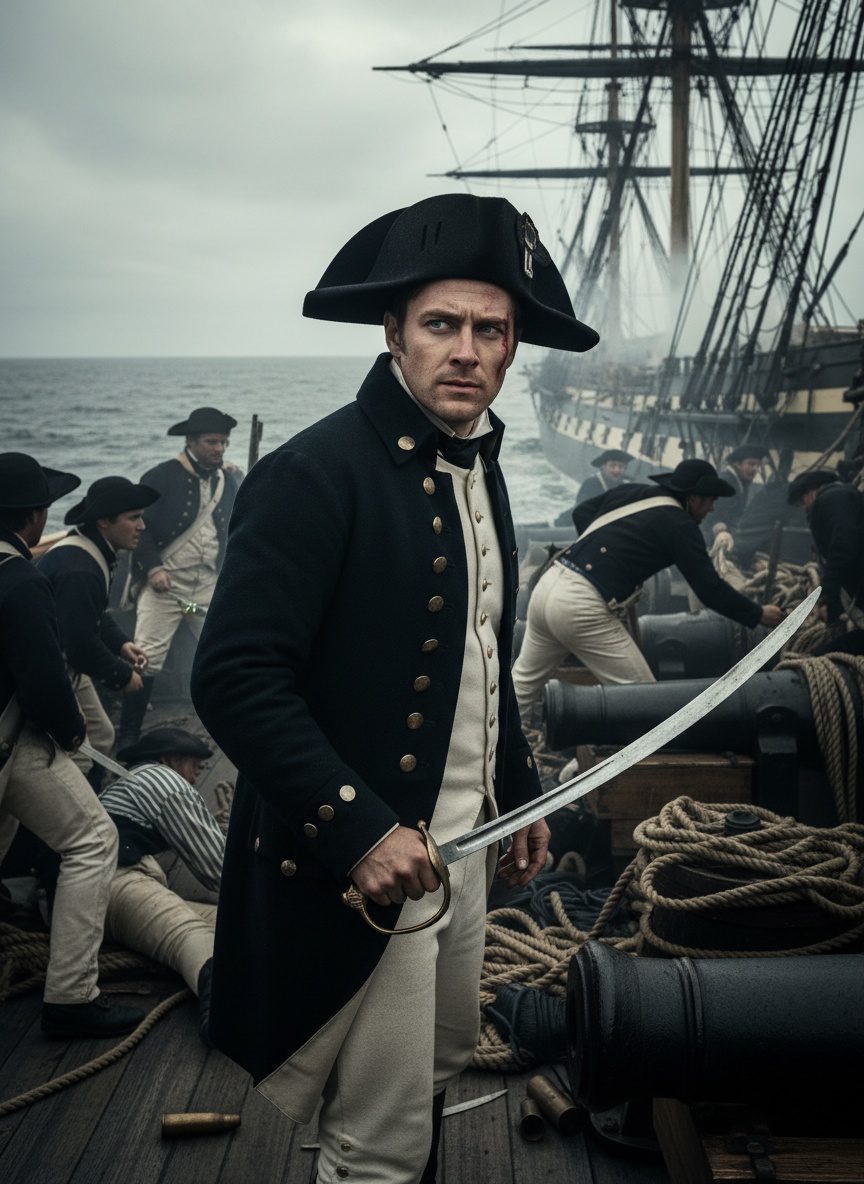
Amidst the smoke and the wreckage, Captain Broke took the fight to the deck of the Chesapeake, commandeering a boarding party emboldened by the momentum of victory. Face to face with Lawrence’s beleaguered crew, the battle continued in close quarters, where the cutlass and bayonet decided fate as decisively as the cannon.
Broke himself was not immune to the perils of his valor, suffering a wound that would mar the sensation of triumph. Nonetheless, his presence and leadership overcame the chaos, leading to a swift surrender. Broke’s boarding of the Chesapeake, achieved in a time so brief, became the climax of an engagement lauded for its swiftness and decisiveness.
The Legend of Thirteen Minutes
The capture of the Chesapeake reverberated through the naval histories of both nations, but in Britain, Broke was celebrated as a hero who had restored faith in the Royal Navy’s supremacy. The strategic brilliance showcased in those thirteen furious minutes continued to inspire discussions on naval tactics and leadership long after the War of 1812 ended.
For nations and navies that rely upon the sea for strength, what happened aboard the deck of the Chesapeake remains a critical reminder of how quickly balance can be disrupted and how the tides of fortune favor those who are prepared. Captain Philip Broke’s bold challenge and steadfast command illuminate the converging prowess of courage, strategy, and unforeseen fortune—a triumvirate that forever alters the narratives of history.