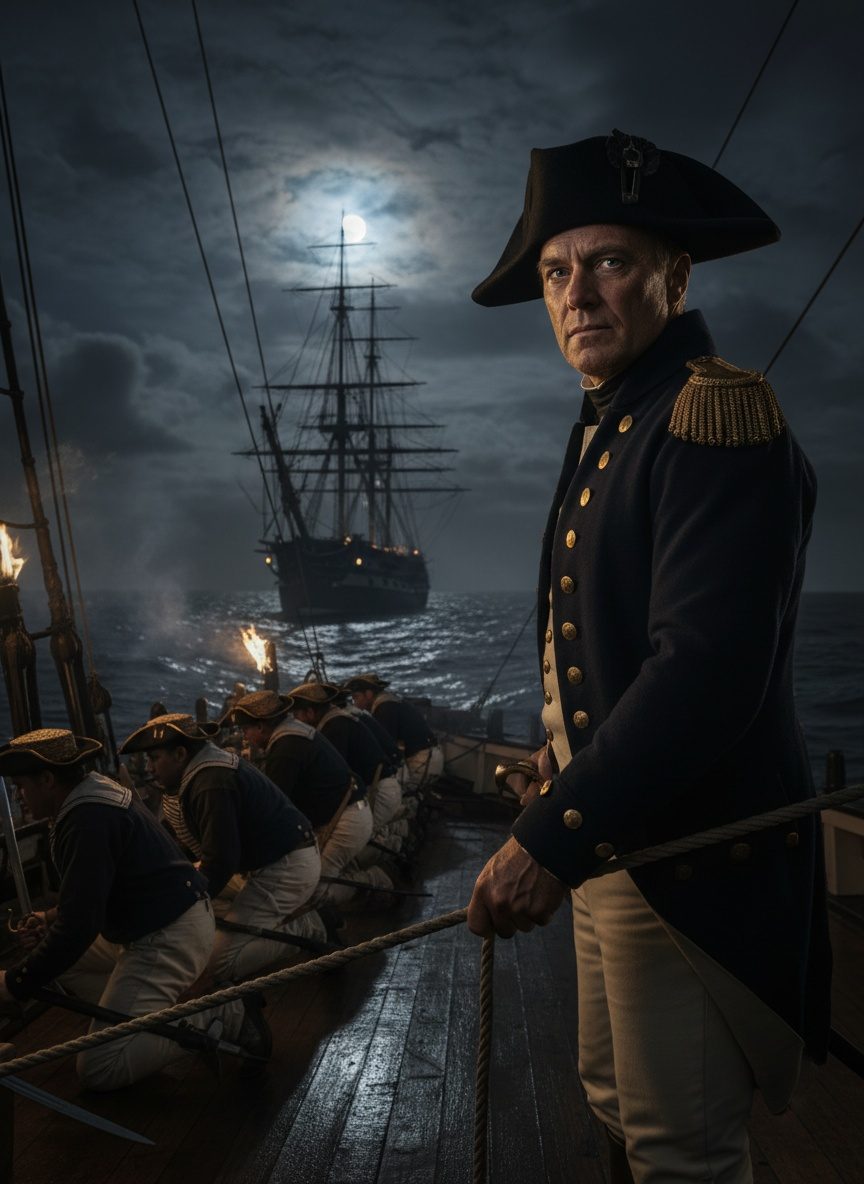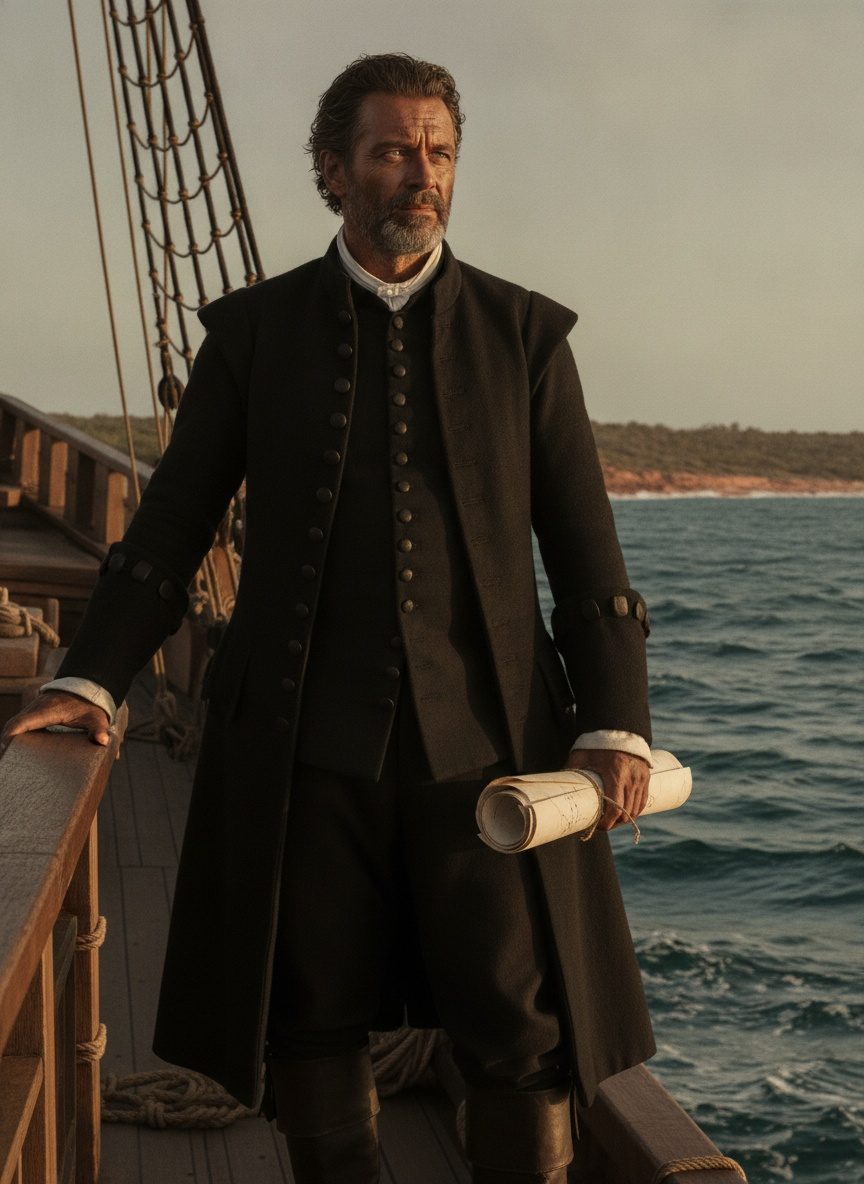
He walked like a sailor even on solid ground. Yet, William Dampier was no ordinary mariner. This was the man who bridged the gap between a life of piracy and the scientific age that was reshaping Europe.
The Buccaneer Turned Explorer
In the closing years of the seventeenth century, few could have imagined a buccaneer's transformation into one of Britain's foremost explorers. William Dampier's early life was a tumultuous mix of privateering and opportunism in the Caribbean, coupled with sharp observational skills. His adventures were colored by encounters with pirates and voyages on the edges of the known world. What set Dampier apart was not just his penchant for adventure but his remarkable curiosity about the natural world.
Dampier was at heart a meticulous observer. During his buccaneering days, he began recording his observations on the flora, fauna, and peoples he encountered with a scientific precision that was rare for the era. Gathering sketches and specimens, he documented the biodiversity of distant lands even while engaged in less-than-scholarly pursuits. His notes laid the groundwork for later scientific explorations and caught the attention of the Royal Society, leading to his eventual commission to explore New Holland's forbidding coast.
Westward Bound: The Fateful Commission
By 1699, the age of exploration was well underway, with maritime empires extending their reaches across the globe. Yet, much of the Earth remained cloaked in mystery. For England, the opportunity to chart untouched territories like New Holland carried the promise of economic gain and geopolitical advantage. William Dampier was appointed to lead this mission, sailing under the King's commission aboard the HMS Roebuck.
It was a curious choice, some may have thought, to entrust such a venture to a former pirate. Yet Dampier's thorough documentation of previous voyages had proven invaluable, offering something of a map where none existed. The voyage to New Holland, now known as Australia, was fraught with challenges. Unknown waters and unpredictable weather made navigation treacherous. Still, Dampier's experience and keen instincts made it possible to chart the coastline with a sense of wonder, precise enough to ignite the imaginations of his countrymen.
Unveiling New Horizons
The encounter with New Holland was unlike any other. Desolate stretches merged into lush landscapes while strange creatures roamed the land. It was the creatures that captured Dampier's imagination — from kangaroos to peculiar birds unseen by European eyes. Each new discovery was carefully documented and sketched, adding to an ever-growing collection that would astonish the scientific community upon his return.
Dampier's journal was as vivid as it was informative. His descriptions provided a visual journey through time, offering readers insights into an untouched world teeming with life. However, his observations did not stop at wildlife. The indigenous peoples of New Holland, with their unique languages and customs, were described with an ethnographic attentiveness new to the period. The narrative greatly expanded Europe's understanding of humans' diversity and their adaptability to distinct environments.
From Maps to Manuscripts: A World Reimagined
By the time Dampier returned to England, he was more than just an explorer; he was a scholar of far-off lands. The maps he brought back were invaluable, marking the first complete portrayals of Australasia's western shores ever seen in England. These documents did more than just guide future expeditions — they changed Britain's global perspective. Dampier's meticulous attention to detail embedded New Holland into the British consciousness, shaping it as a destination for discovery and eventual colonization.
His manuscript, *A Voyage to New Holland*, soon followed, offering a detailed account of his travels filled with wonder and scientific inquiry. This work captivated readers and inspired a generation of explorers keen to follow in his footsteps. Dampier's observations went beyond geography, touching upon the natural resources that could potentially enhance England’s expanding economy. As his tales spread, they helped fuel the ambitions of empire, paving the way for later claims to territories on the far side of the world.
The Legacy of a Pirate's Curiosity
William Dampier's legacy is complex, embodied in daring exploration, scientific inquiry, and the shrewd advancements of an empire. He was more than an adventurer; he became a symbol of how diverse experiences can converge to command the world's attention. In succeeding, he proved that the spirit of a buccaneer could indeed evolve into the keen mind of a naturalist and that the wonders of the unknown could reshape destiny.
His voyages steered the British Empire towards shores they hadn't seen, sparking an era of exploration that never turned back. The world, once deemed endless and unfathomable, now seemed smaller and interconnected, every inch waiting to be charted. Perhaps, after all his journeys, William Dampier's greatest treasure was not the gold of pirate's lore, but the vast hoard of knowledge bequeathed to the world. It was this treasure that transformed Britain’s outlook towards the land down under and beyond, forever altering the course of human progress.