For the ordinary people of the British Empire, joy was both spontaneous and unfamiliar on 14 August 1945. It was the first time in six years that they savored the intoxicating thrill of peace. As victory against Japan was declared, the fabric of the people's lives, dyed so deeply in wartime grays, was briefly transformed into vibrant hues of exhilaration and relief. From London’s rubble-laden streets to bustling market squares in Calcutta and through the humid alleyways of Singapore, the jubilant outpouring knew no borders, celebrating an end long-awaited yet unexpectedly sudden.
From Darkness to Dazzling Light
At the close of day on August 14, the atmosphere in London's Piccadilly Circus was electric. The dimmed wartime streetlights, shrouded in nightly darkness to evade Luftwaffe bombers, suddenly flickered to life. The streets, littered with reminders of past bombings, transformed into a dance floor for thousands who flooded the heart of the city. Makeshift bands struck up tunes as young and old alike celebrated with a frenetic energy not seen since before the war. This was not just the end of a battle; it was the end of an era of nightly blackouts and ration books. Euphoria rang from street to street, across the Thames, reaching even the most scarred corners of the city.
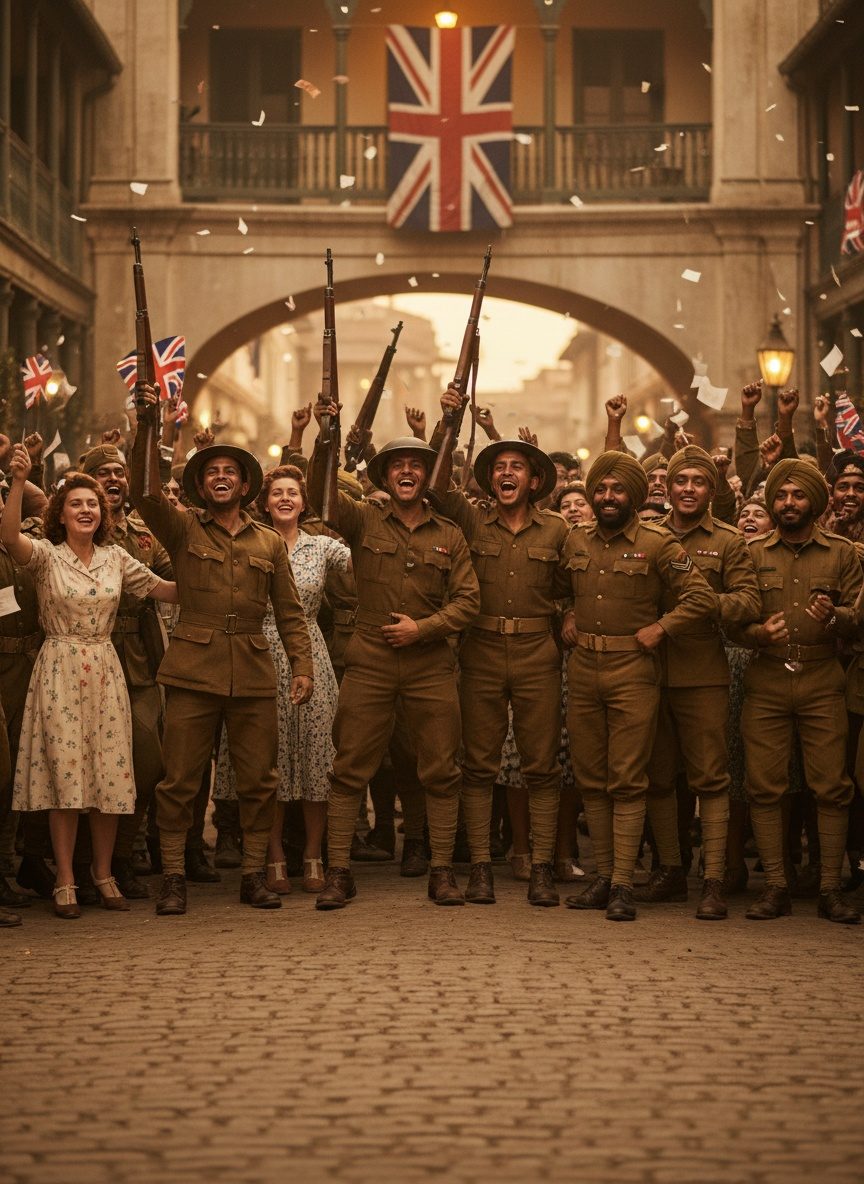
While London buzzed with energy, half a world away, Calcutta mirrored this symphony of celebrations. The people of India, deeply entwined in the British war effort, had endured hardships, suffering, and ration shortages. On VJ Night, those concerns seemed momentarily suspended. British expatriates and local Indians danced together in crowded bazaars, a rare display of unity that merged worlds often kept separate by colonial divides. The joy of victory momentarily bridged gaps, sowing camaraderie where tension had long persisted.
The Echoes of Victory in the Far East
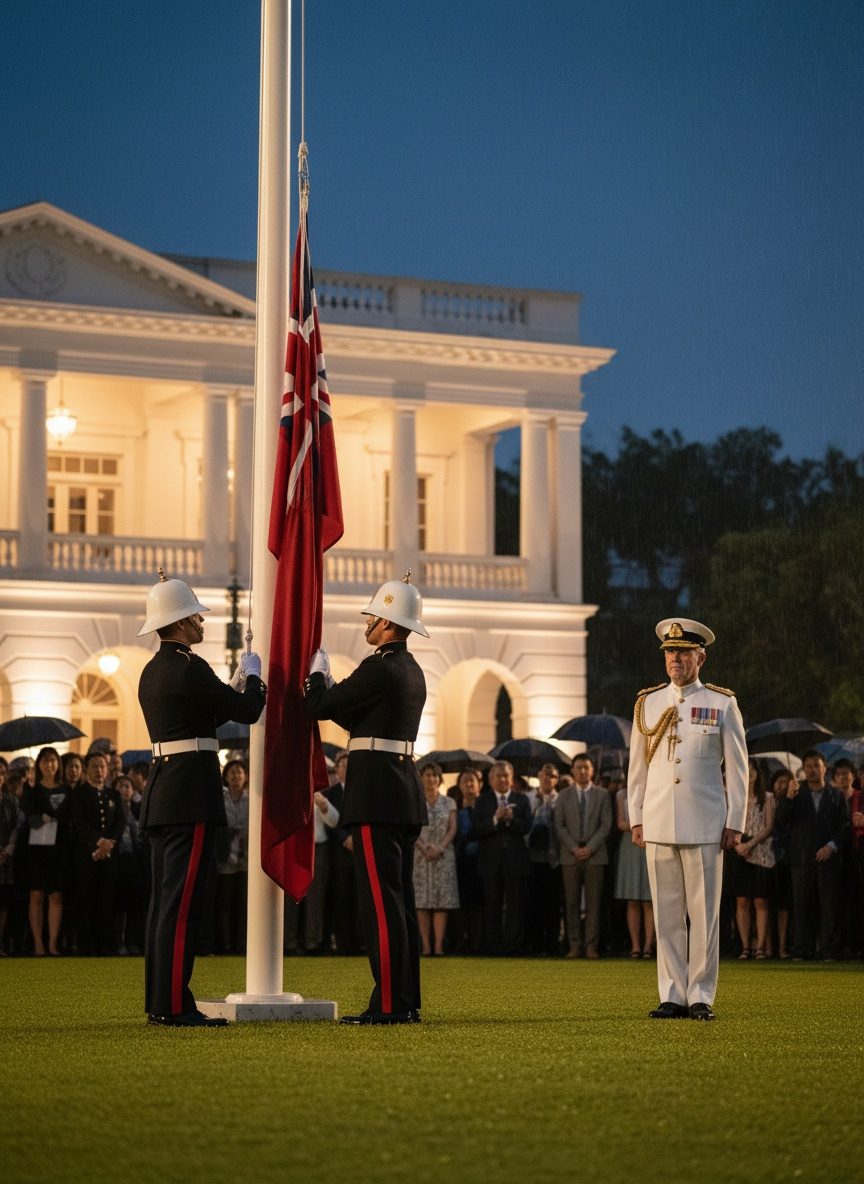
In Singapore, the reaction was no less euphoric. Though occupied by Japanese forces since 1942, the announcement of Japan's surrender sent waves of relief through the air like a tangible force. British and Australian military personnel celebrated alongside local civilians, who cautiously emerged into the open once more. Streets teemed with people sharing makeshift parades under the tropical night sky that felt alive and new. The strains of military bands mingled with laughter and song, each note a symbol of liberation from years of fear and oppression under foreign rule.
The Far East theater of World War II had exacted a severe toll on Singapore. Tales of resistance, survival, and quiet defiance proliferated in stories shared among the crowds. These accounts, unrecorded in official histories, provided a testament to the human spirit that thrived despite occupation. On that night, the boundaries between victors and liberated blurred as gratitude washed over old grievances.
The Jungle's Whispered Revelations
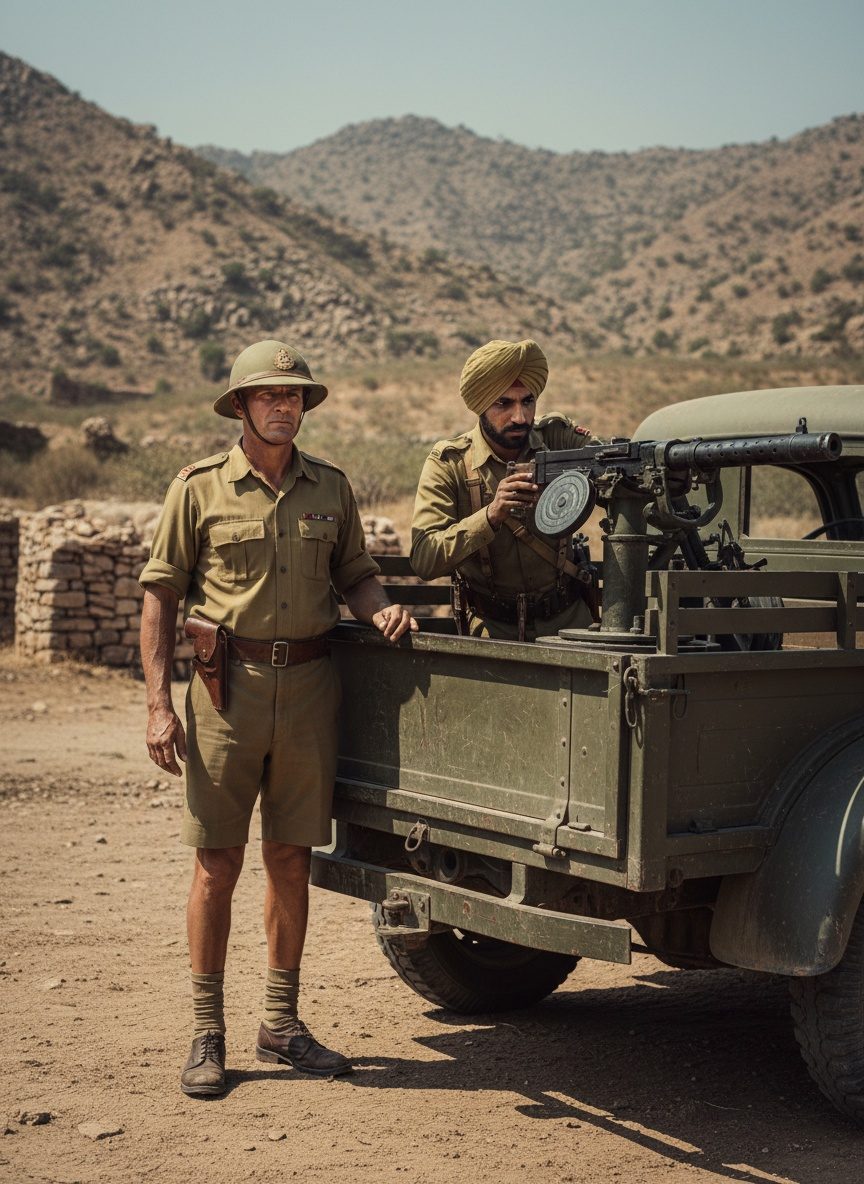
Even as city streets erupted in celebration, for thousands of soldiers stationed in remote Pacific jungles, the news of Japan's surrender took much longer to arrive. Cut off from the communications networks of the modern world, stories tell of soldiers continuing their patrols, entrenched in the dense foliage, unaware that the world had dramatically shifted upon its axis. Days passed until the news filtered through, as whispers in the wind carried it from secluded radios to ears hungry for change.
For the soldiers, many freshly arrived in the jungle-focused campaigns, these days brought a dissonant mixture of emotions. World War II had reshaped so many lives, halting youth in its tracks and demanding resilience from even the unlikeliest heroes. When finally the confirmation trickled its way to the deep forest encampments, there was disbelief, relief, and a longing to return to the lives they had once known—or perhaps, to embark on new ones unfurling post-war.
Yet, even in these forgotten backdrops of the Pacific war theater, celebrations eventually sparked. Improvised instruments joined the chorus of newfound freedom, as these soldiers, many of whom had formed rare bonds with one another through hardship, toasted to an uncertain yet hopeful future.
A New Dawn for a World, Uncertain Yet Hopeful
If VJ Night was an eruption of pent-up emotions, it was also a tableau for reflection. In victory, the shadows of what had been lost loomed large, etched into the faces of those who remembered the millions who had not lived to see this night. The streets that had seen victory also bore witness to unprecedented destruction, to shifts in the geopolitical landscape of vast significance. With Germany's surrender in May and now Japan's in August, the world staggered from a double blow, reckonings pending in each corner of the globe.
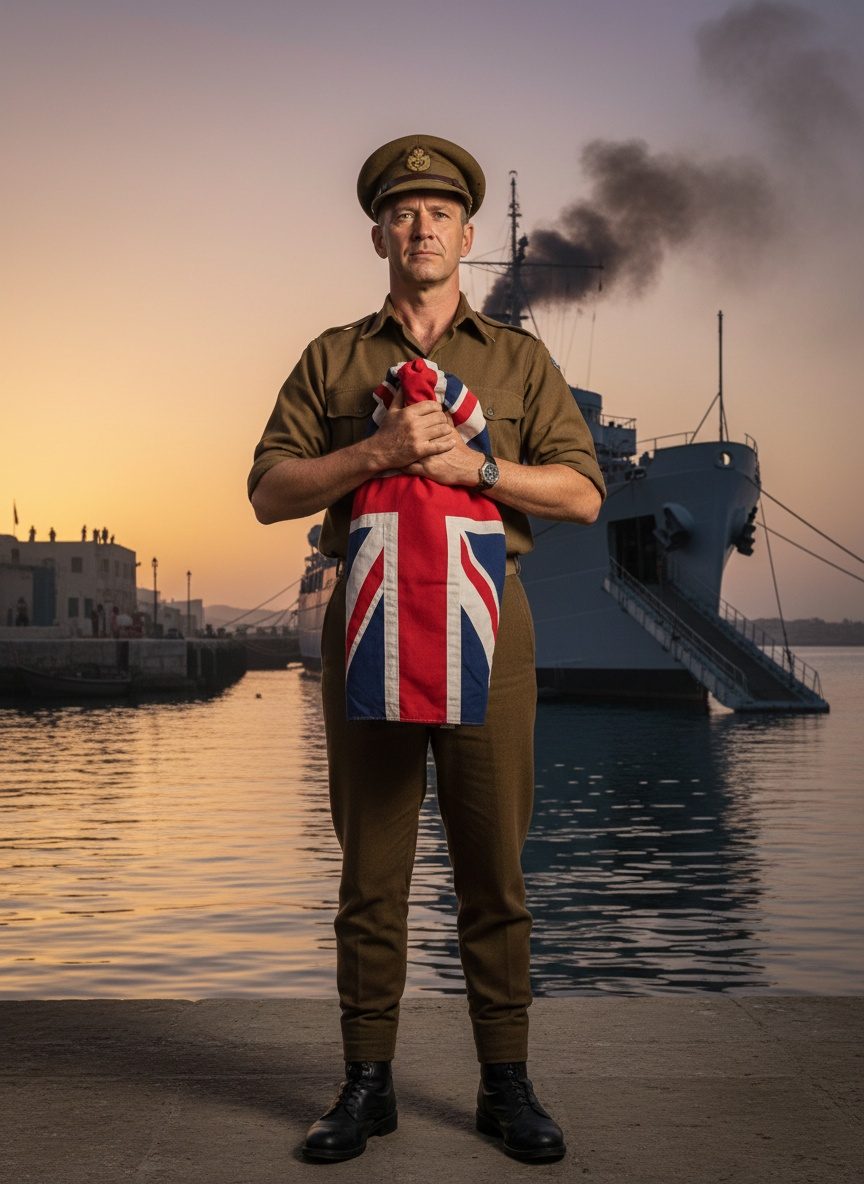
The Empire's streets that danced under moonlit skies on VJ Night would soon quiet to a different rhythm—one of rebuilding, of reshaping nations and identities. As parties dimmed and quieter contemplations took root, conversations turned to the dawn of a new world. An empire that had spilled across the globe, red-washed on maps, began its gradual retreat as independence movements found fresh momentum, inspired by the display of unity and resolve witnessed on this night. VJ Night was not just an ending; it heralded new beginnings forged in the crucible of shared human experience.
In the end, VJ Night was a pageantry of the human condition, a fleeting moment that masked the complexities awaiting resolution. But it was also a reminder of humanity's capacity for renewal—of the stories they never tell, the legends that stay in hearts rather than schoolbooks. For on this night, the Empire danced apart, yet together, celebrating a peace that was theirs to rewrite, shared across borders, felt across divides. And so, as history moved onward, the lessons of VJ Night lingered: a blend of joy, memory, and the indomitable spirit to reshape what 'peace' could truly mean.