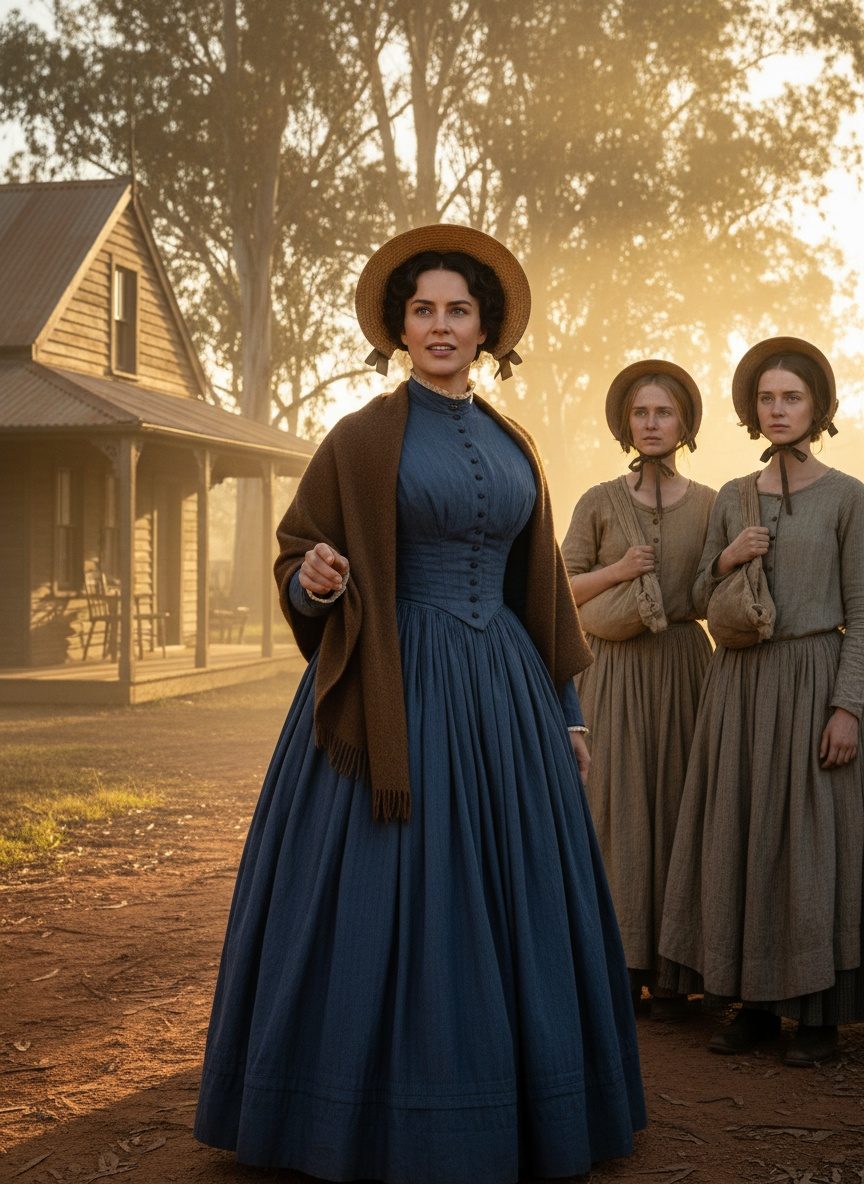
Few would have expected it. She was a soldier's wife with no official title or office. Yet, Caroline Chisholm would become known for her extraordinary humanitarian efforts in colonial Australia, reshaping the lives of over 11,000 settlers. Her methods were unconventional, but her impact was undeniable.
The Unexpected Pioneer in Sydney Harbour
Arriving in the bustling yet chaotic Sydney of 1838, Caroline Chisholm was confronted by an unsettling reality. Ship after ship unloaded weary passengers onto the worn docks, with many being single women and families who sought a new beginning on unfamiliar shores. Stranded, vulnerable, and without support, these immigrants faced dire conditions. Many slept in the streets with no prospects of work or shelter. It was a landscape that painted a stark picture of life for thousands—one that would forever alter Chisholm’s path.
The government seemed unwilling or unable to intervene meaningfully. That’s where Caroline stepped in. Armed with little more than her resolve and compassion, she embarked on an audacious mission to revitalize their futures. No government backing or official mandate guided her; it was her powerful sense of social responsibility. She declared, "I promise to know neither country nor creed, but to serve all justly and impartially."
Her work began with modest steps, sourcing food and temporary shelter for those stranded. But Chisholm had far grander visions. She proposed the founding of an immigrants' home. When faced with the apathy of officials, she self-financed the venture, transforming a large, empty building she rented from the government into a haven for destitute female immigrants. From there, Chisholm orchestrated the pioneering effort of resettling thousands into the rural expanses of New South Wales.
A Lone Woman on the Bush Tracks
The bushlands of New South Wales were notoriously rugged, unexplored, and regarded with trepidation by even the most daring settlers. Yet it was into this very wilderness that Chisholm ventured, often alone. With no formal training and limited resources, she journeyed across the harsh Australian landscape, parleying with farmers and settlers to find sustainable employment and secure environments for the women in her care.
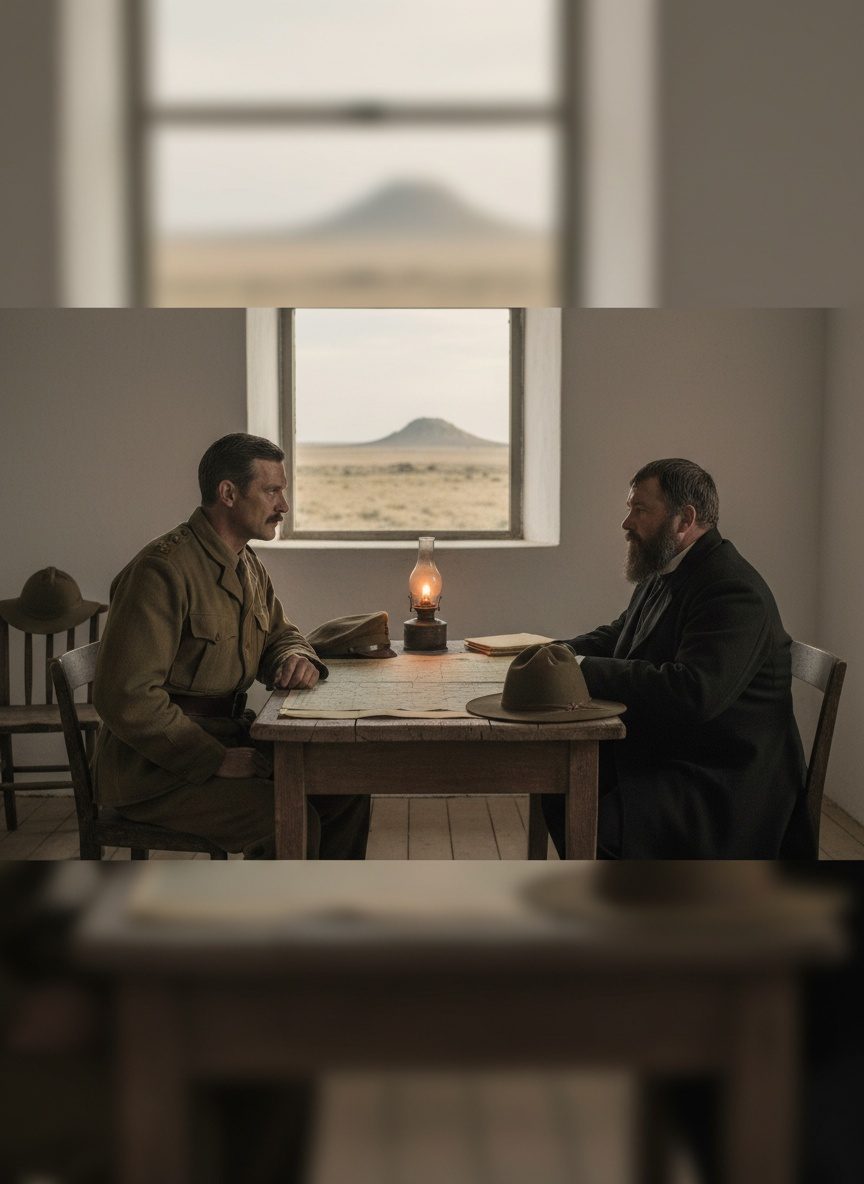
Chisholm's approach was meticulous and strategic. She mapped out employment opportunities across the vast agricultural zones and personally negotiated agreements. Her efforts were nothing short of Herculean, given the daunting isolation of the mid-19th century Australian outback, where travel was arduous and communications primitive. Her persistence forged invaluable connections, bridging isolated farmers with immigrants eager for work and opportunity.
Over five years, Chisholm's efforts nestled over 11,000 people into stable environments, and her influence didn’t stop there. Her actions sowed the seeds for a wider realization among settlers and authorities alike that coordinated immigration and settlement schemes could benefit the growing colony. Her innovative model became a precursor to more structured immigration policies in later years.
Innovating Immigration Policy
Chisholm’s hands-on experience led to insights that transcended individual relief efforts. She was not simply navigating bush tracks—she was rewriting the very approach to immigration in Australia. In 1849, Chisholm published her visionary report titled "The A.B.C. of Colonization," an influential document that examined the structural deficiencies in the emigration system and proposed groundbreaking reforms.
Her advocacy laid the groundwork for policies that supported family immigration rather than government-focused schemes. She championed the Family Colonization Loan Society, encouraging the sponsorship of families by enabling them to borrow money for passage to Australia, with a structured repayment schedule once they had established themselves in the colony. This project flourished, providing a critical lifeline for families seeking a new start.
Chisholm’s focus was always on the long-term welfare of migrants. Her plans extended beyond immediate relief to include social and economic sustainable structures that uplifted entire communities. By advocating for family units, Chisholm appreciated the potential of these newcomers not only to survive but also to prosper, enriching the social fabric of growing towns and rural areas alike.
The Difference One Life Makes
Caroline Chisholm’s legacy is a narrative of profound change driven by a single, determined individual. She transcended the societal limitations of her era, demonstrating that dedication and compassion could overcome entrenched indifference and disorganization. Her story is a vivid reminder that impactful change often originates outside traditional power structures, simply from an unwavering resolve to do what is right.
Her humanitarian vision saw beyond the tide of destitution; it embraced solutions that recognized the intrinsic potential of each individual. This approach holds as much relevance today as it did in the 19th century, echoing through modern discussions of immigration and social policy. Caroline Chisholm's tale isn't just a lesson in history—it's a testament to the enduring power of empathy and action in the face of overwhelming odds. As we consider the challenges of building inclusive societies, her efforts resonate as a beacon for future generations. Her story is indeed a legend they left out of the textbooks—but one that continues to inspire.