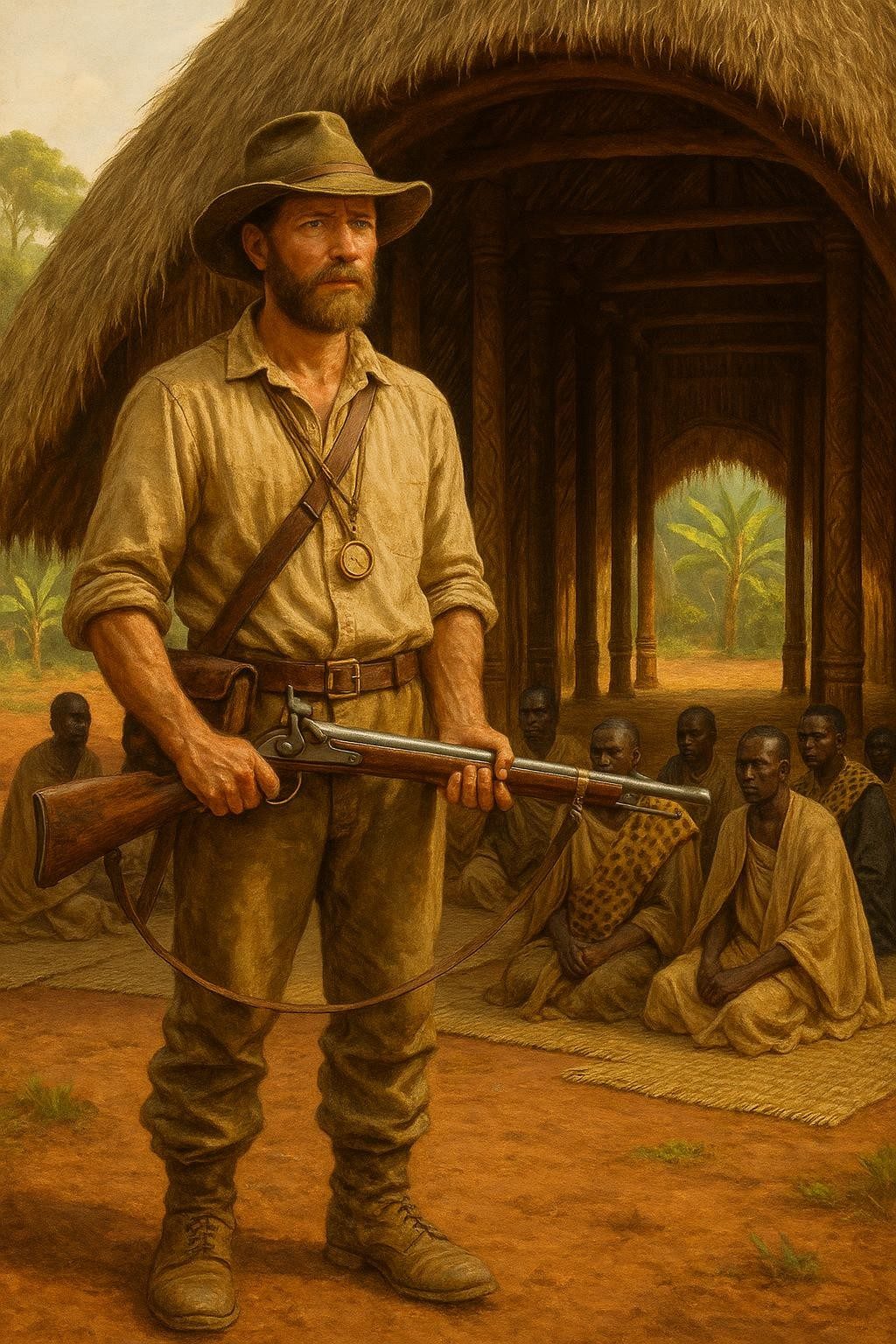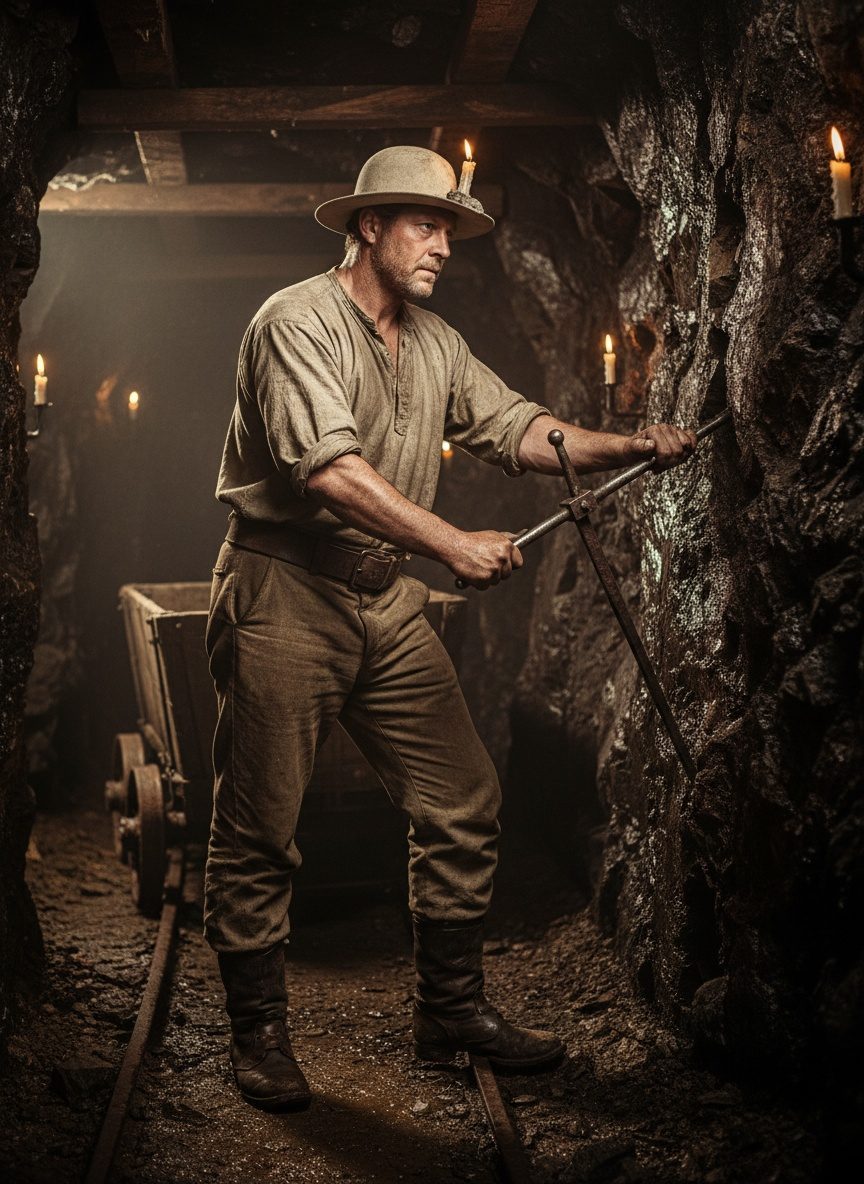
The year was 1872, and the once-booming mining towns of Nevada's Comstock Lode were quieting down. The air, which used to hum with the sound of success, now carried a somber tone as mines closed and dreams vanished, leaving fortunes dashed and spirits broken. Many believed the silver treasure trove had finally given its all. But then came the Cornish miners, men from the rugged cliffs of Cornwall, England, with their weathered tools and unwavering resolve, who dared to dig deeper.
The Ghostly Silence of a Booming Past
The Comstock Lode was discovered in the 1850s, setting off a flurry of mining activity that drew hopefuls from across the globe. By 1872, it had transformed the Nevada desert into a landscape of opportunity and excess. Glittering opulence filled the saloons and the Folk's Opera House, and tales of overnight millionaires were as common as the dirt under their boots. Yet, beneath the wealth, the seemingly endless veins of precious metal were thinning; whispers of depletion echoed in every corner of Dodge, and the powerful shovel-wielders felt their grip weaken.
Enter the Cornish miners—tough, determined, and seemingly impervious to the relentless hardships of the mining life. These men were privy to mining secrets perfected in their homeland's perilous tin mines, where they had drilled through granite and enduring hardship was a way of life.
Cornishmen: Hardened Souls of Granite
Born from granite parishes, the Cornish miners were known for their extraordinary endurance and skill. “Cousin Jack”, as they were affectionately referred to in the U.S., was more than a mere nickname; it was a signifier of respect for their hardiness. Cornwall itself was a region woven with the tale of mines — men descended into the earth there as routinely as they rose with the sun.
When the Comstock seemed exhausted, it was the Cornishmen who faced the world's hardest rock undeterred. They brought with them not just experience, but novel techniques and tools shaped through generations among the cliffs and subterranean passages of Cornwall.
The Big Bonanza
Hope manifested in a thunderous discovery in March 1873, as the pickaxes of Cornish miners broke through what would invariably be known as the 'Big Bonanza.' Unearthed within the depths of the mines owned by John Mackay and partners—a dazzling silver vein lurking beneath the barren outlook of exhausted mines. Reports claim that the lode yielded over $100 million in a few short years, solidifying its place as the richest single deposit of silver ever found.
The staggering prominence of the Big Bonanza turned Virginia City into a hub of frenetic mining activity once more. The sight of precious silver revived the vigor of Nevada’s mining industry, breathing life back into the economy of the American West.
Impact of Cornish Innovation
But the real story was not just the silver. The Cornish miners brought their skills and groundbreaking technologies that changed American mining. Their contributions were profound, and their legacy undeniable. The introduction of the Cornish pump, a feat of engineering prowess, made it possible to pump water out and dig deeper than ever before. Their rugged double-jointed drills and advanced techniques enabled ventures into depths previously unreachable, opening new chapters in mining history.
It was their uncanny ability to adapt and innovate that captured the essence of what these miners contributed to the very fabric of industrial progress in the West. Their practices did not only reveal one of mining’s biggest prizes but solidified a heritage of mining wisdom shared across the Atlantic.
The Enduring Legacy of the Miners
The ripple effects of the Big Bonanza extended far beyond the immediate economic revival—the Cornish miners' narrative speaks of determination, resilience, and transformation. Their influence was stronger than mere material wealth. It was cultural—the Cornish beam engines still dot Nevada, and mining terms like "stope" and "lode" hold the Cornish footprint.
Even more, the Cornish made Nevada their own, integrating their traditions, songs, and hearty pasties into the diverse cultural tapestry of the American frontier. Their presence was a reminder of how expertise, even when transplanted far from home, could adapt and flourish under different skies.
Today, when reflecting on this chapter of history, we recognize both the hardship and triumph it entailed. Perhaps the true wealth discovered was not merely silver, but the profound stories of endurance and innovation that continue to resonate through mining communities worldwide. This became not just a story left out of textbooks but a reflection on how past ingenuity can inspire new generations facing Earth's challenges.
The legacy of these Cornish miners is a testament to the persistent human spirit—a beacon reminding us that within even the hardest rock, the potential for profound discovery lies dormant, waiting for those bold enough to take the plunge.