The snow-clad passes of Afghanistan in January 1842 were an unforgiving place for an army to find itself marooned. Amidst the harrowing blizzards that blanketed the ravines leading from Kabul to Jalalabad, one man etched his name into the annals of forgotten heroism. Surgeon William Brydon, an unassuming figure swathed in the epoch's military fabric, emerged not just as the solitary survivor riding to safety but as the savior of many in those frigid days. His story is a testament to human resilience and the often-overlooked power of compassion and skill in the most inhospitable of conditions.
A Valley of Death
On January 6, 1842, the British Army of the Indus began its infamous retreat from Kabul, a melancholic exodus fated to become one of military history’s stark warnings. Over 16,500 souls, including soldiers, camp followers, and civilians, set forth along the mountain trails, their hopes of reaching the safety of Jalalabad soon dashed against the raw fury of the Afghan winter. As the temperature dropped mercilessly, so did the survival instincts of many. Snowbound and weary, the columns succumbed to freezing winds, relentless ambushes by Afghan tribesmen, and an overwhelming sense of despair.
In this swirling cauldron of chaos stood Surgeon William Brydon, a pivotal cog in this tale of endurance. Known primarily to history for his final gallop into Jalalabad, Brydon’s journey had begun long before his fateful ride. A medical officer, he represented the compassion and calm in a storm where strategic decisions crumbled under the weight of nature's indifference and human hostility.
The Miraculous Healer
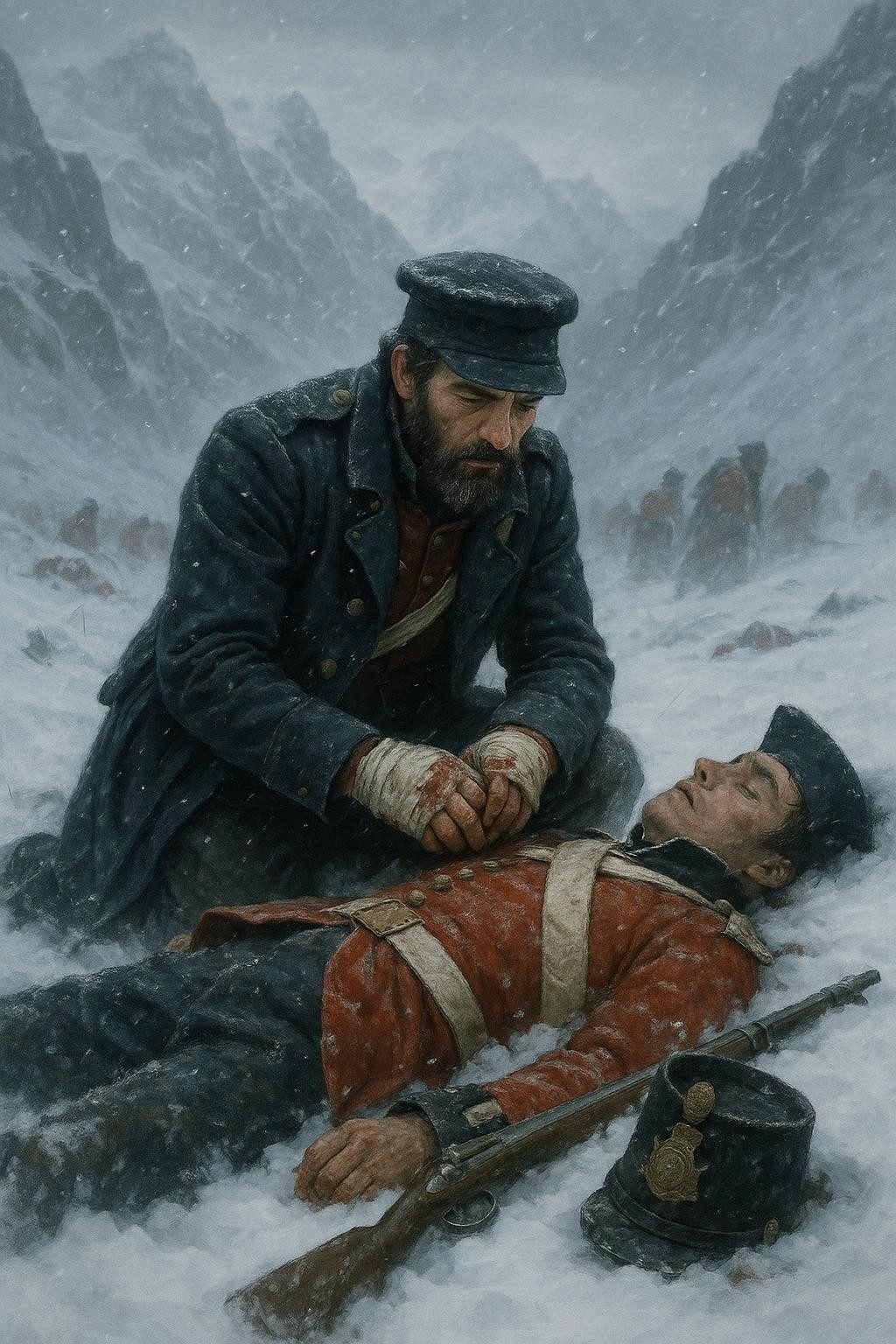
Amidst the freezing carnage, Brydon took it upon himself to fight a different kind of battle. With steely resolve, he attended to the desperate cries of the wounded, fashioning makeshift wards in the sparse encampments that grimly dotted the white landscape. Using limited resources, he defied the odds, nestled in his duty as a harbinger of healing.
Though the names and numbers of those he saved have largely withered in the folds of history, surviving records reveal a man of unyielding tenacity. Despite facing conditions that might faze even the hardiest of surgeons, Brydon treated crushed limbs and frostbitten extremities. He performed surgeries under the most clutching of climates, where medicines froze and blood iced into scabs almost instantaneously. Still, his resolve never faltered.
Bargains with Destiny
The chaos surrounding the retreat was compounded by the Afghan warlords, rival factions vying for control amidst the crumbling façade of imperial strategy. Here, Brydon demonstrated an unexpected flair for negotiation. Using the basic tenets of trust and barter, he parlayed with local chieftains. His primary goal: securing safe passage and peace, not just for the wounded under his care but for any soul he could gather within his hastily formed sanctuary.
His negotiations tell of a man aware that survival meant reaching beyond the surgical instruments to the hearts and minds of those who controlled the edge of the sword. While his efforts ensured the temporary haven in isolated pockets, saving dozens who might otherwise have perished, they also prefigured the lone miracle he would later embody.
The Last Man Standing
Upon the culmination of this tragedian expedition, William Brydon became enshrined in history as the *last man of the 44th Regiment*. His ride, etched in public memory following the heart-rending painting by Elizabeth Butler, which captured his entry into Jalalabad on January 13, 1842, singlehandedly secured his legendary status. But it is equally crucial to acknowledge that Brydon didn't just represent survival; he personified hope.
This lone and late arrival was not devoid of hardship. Brydon was wounded himself, suffering a saber cut to the leg. Often misconceived as "the sole survivor," Brydon's ride overshadowed the survival of more amidst the harsh elements and Afghan skirmishes. His presence in Jalalabad, however, symbolized the endurance of life and the virtues of care and courage knitted from the same yarn of compassion with which he had cloaked his army contemporaries days before.
Legacy of a Frozen Culmination
The lessons from the snows of the First Anglo-Afghan War resonate even today. They bear testament to the stalemate strategies of empire and the uneven terrains trodden by those who faced them. Brydon’s story, one often lost in the romanticism of imperial literature, underscores the medico-humanitarian aspect of military history. It stands as a tribute to the unsung roles that surgeons have played, and continue to play, in conflicts worldwide.
At a time when history leans on the might of armies and empires, William Brydon's tale through afghan snows reminds us that the real essence of heroism also lies in the commitment to heal, the courage to negotiate life's value against odds, and the perseverance to ensure survival amidst the whirls of death. As we read of his exploits today, may it spur us to remember and honor the quiet, transformative roles that individuals undertake in every battlefield: the oft-untold legends that textbooks leave waiting to be discovered.