Imagine a shipwreck on an island, so remote that its very existence saved it from time’s erasure. Now, picture a group of desperate sailors, their vessel shattered by a merciless storm, stumbling upon this island, unaware that they would carve history into its rough, subtropical landscape. This true tale is not merely an intriguing chapter of survival but a narrative tapestry woven into the fabric of an empire. This is the story of how George Somers' wrecked ship built Bermuda in 1609.
The Tempest's Fury
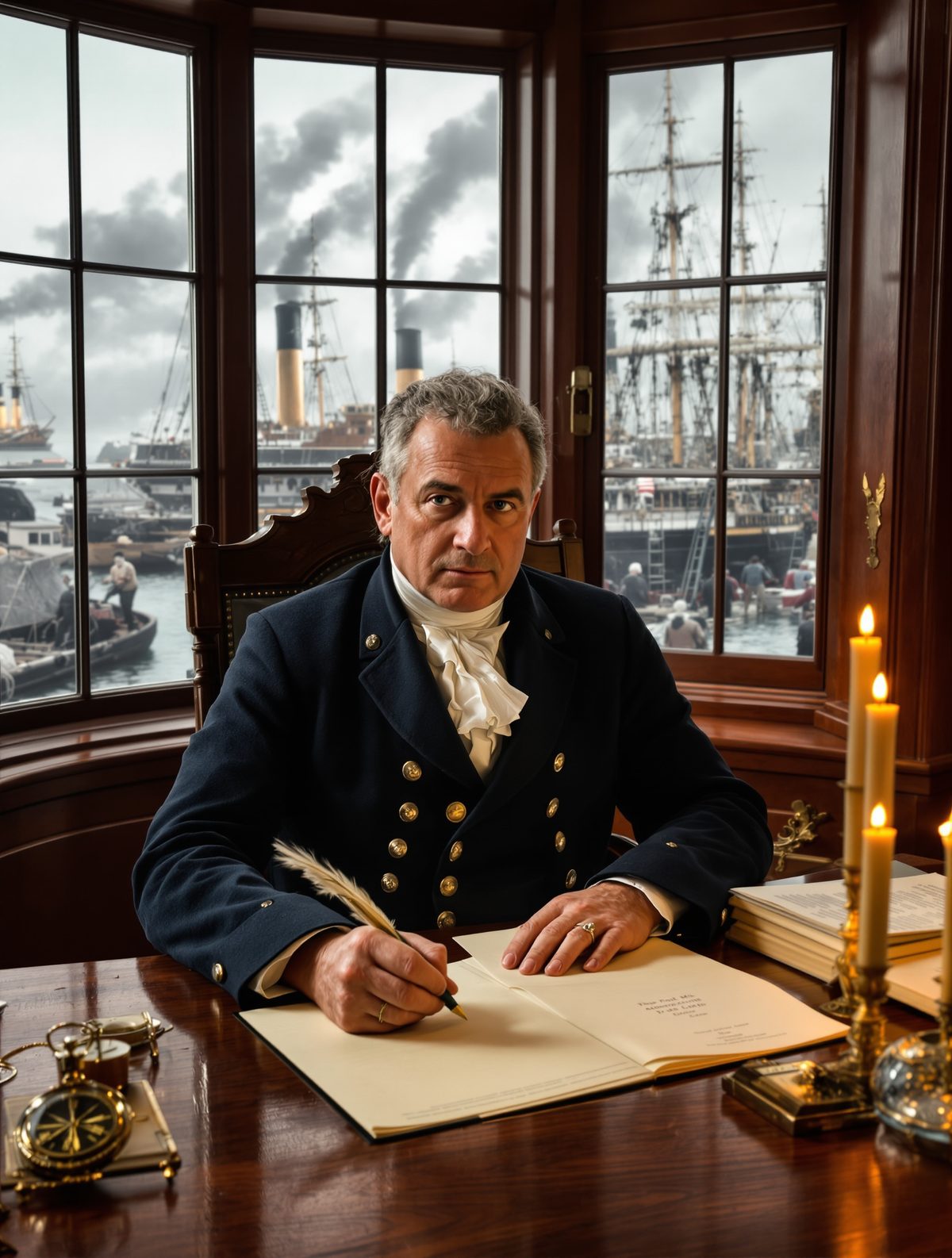
In the blistering July of 1609, a fleet of nine ships embarked on a voyage from Plymouth, England, tasked with delivering supplies to the struggling Jamestown colony in Virginia. Commanding the flagship, the Sea Venture, was the seasoned Admiral Sir George Somers, accompanied by Lieutenant-General Sir Thomas Gates. Unbeknownst to them, their course cut through the heart of an Atlantic tempest, one of nature’s unchecked furies.
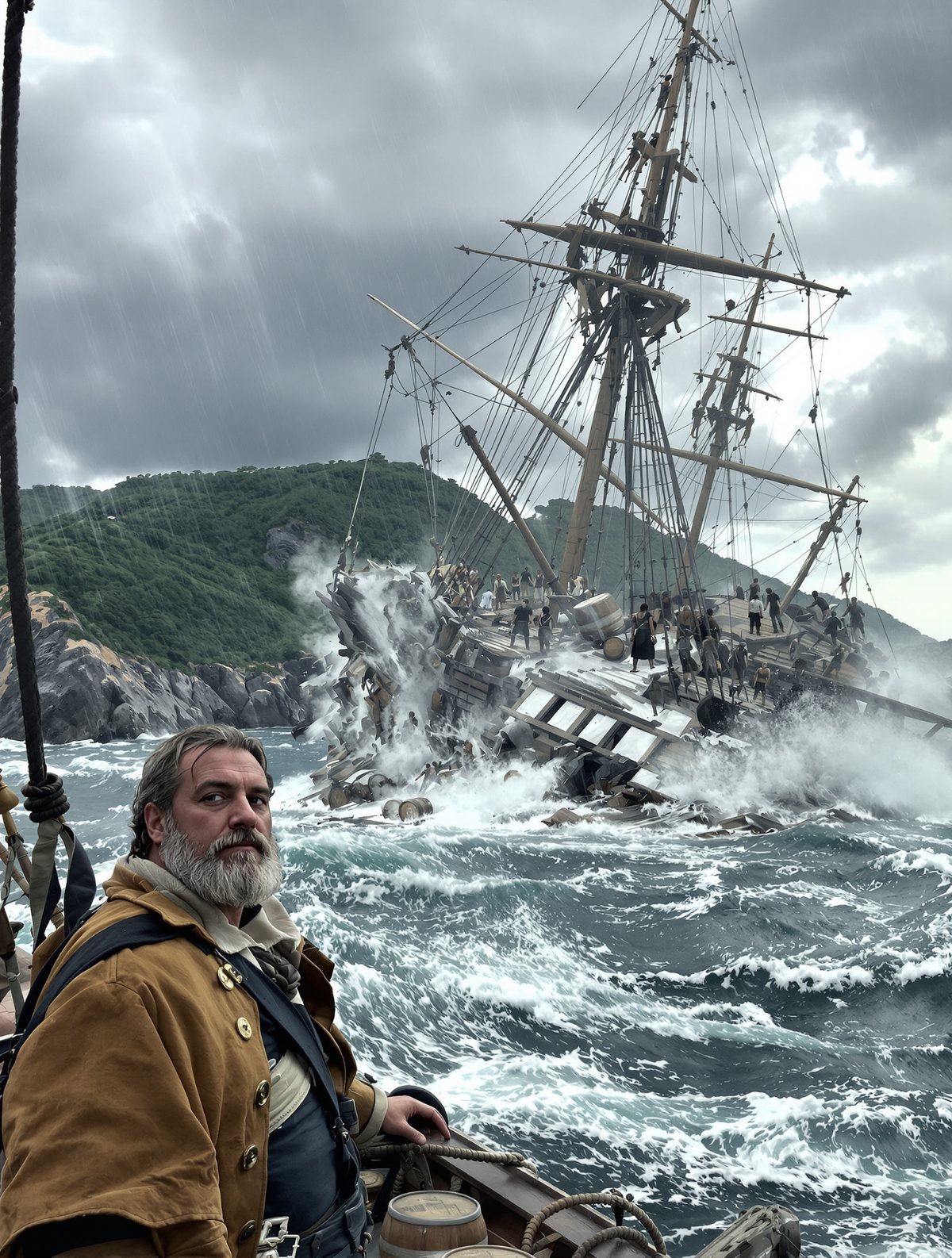
As they reached the swells of the open ocean, the sky darkened, a harbinger of brewing malevolence. The hurricane hit with staggering force, and the Sea Venture was soon separated from the convoy. For three harrowing days and nights, the crew fought the storm’s onslaught, until their ship, battered and fractured, met the coral teeth of Bermuda’s reefs.
Around one hundred and fifty souls, convinced their end had come, looked out upon an island of lush greenery and pink sandy beaches. Against all odds, they were alive, their eyes set on territory unclaimed and untouched—a dubious fortune within a cursed paradise.
The Island of Devils
Bermuda, known ominously as the "Isle of Devils," had long been the dread of sailors, whispered to be haunted by ghouls and supernatural storms. Yet, this mysterious reputation had shielded it from European colonization. The castaways found themselves unwitting first settlers, their forced landing a stroke of serendipity for England’s imperial ventures.
Stripped from despair, the survivors discovered the island’s ample supply of food and fresh water. The verdant cedar forests and native fauna provided what the seas could not—sustenance for not just survival but renewal. Bewitching in its odors and sights, the island now pulsed with the constant hum of purposeful labor.
Somers, an opportunist at heart, quickly recognized the potential for their disastrous detour to pivot into salvation for the Virginia Company of London’s interest. While the island tested and expanded their resolve, it also became a proving ground for English craftsmanship and fortitude.
Building Hope from Ruins
With the Sea Venture laid waste, the survivors engineered not their demise but their deliverance. From the cedar wood and materials of the wreck, they constructed two pinnaces, Deliverance and Patience. Under the hum of adze and saw, this sun-drenched slip of land echoed with the sounds of tenacious determination.
Over ten months, their island became mired in the practical and mystical, inspiring tales of both success and trepidation. The resourceful settlers brought to life Bermudian ingenuity, assisted by the abundant cedar, a wood of such resilience and polish that it would later drive Bermuda’s shipbuilding fame.
Finally, on May 10, 1610, an armada of two and a half vessels strong sailed from Bermuda toward Jamestown, carrying tales of survival, shipbuilding, and enough supplies to bolster the fledgling colony.
A Tale to Inspire the Bard
Ironically, while the greater Virginia fleet faced ruin, the tempest-tossed story of the survivors reached England’s shores with reverberations that would stir the creative waters of the esteemed William Shakespeare. Their story, rich with themes of human endurance in the face of natural and supernatural adversity, is believed to have inspired The Tempest, a play woven with shipwrecks, mystical islands, and eventual redemptions.
It is a remarkable twist: a narrative of survival growing into a tale of artistic creation, overlaying the echoes of this microcosmic empire-building operation on the cultural tapestry of the world.
The Empire's Quiet Architect
The events on Bermuda were not a mere footnote to English imperial ambition but a cornerstone. From laying the foundations for enduring English colonization and settlement efforts, this island incident demonstrated adaptability, resilience, and an enduring tenacity in the face of adversity—principles critical to an expanding empire.
The survival of Somers and his men may resonate less in the annals of school history texts but provided an unintentional anchor for the British Maritime Empire. The fortuitous development of Bermuda as a strategic naval outpost and society can trace its roots to this shipwreck, illustrating how catastrophe can cradle opportunity.
An Empire With Lessons for Tomorrow
In today’s world, the saga of George Somers and the ill-fated Sea Venture serves as a remarkably enduring symbol. It’s a reminder that, from the depths of disaster, human innovation and spirit can engender not just survival but prosperity. As our modern society faces its own tempests—figures like Somers remind us that dedication and imagination can wield cedar forests into ships, catalyze Shakespearean plays from tragedy, and even plant the seeds of nations from mere wreckage.