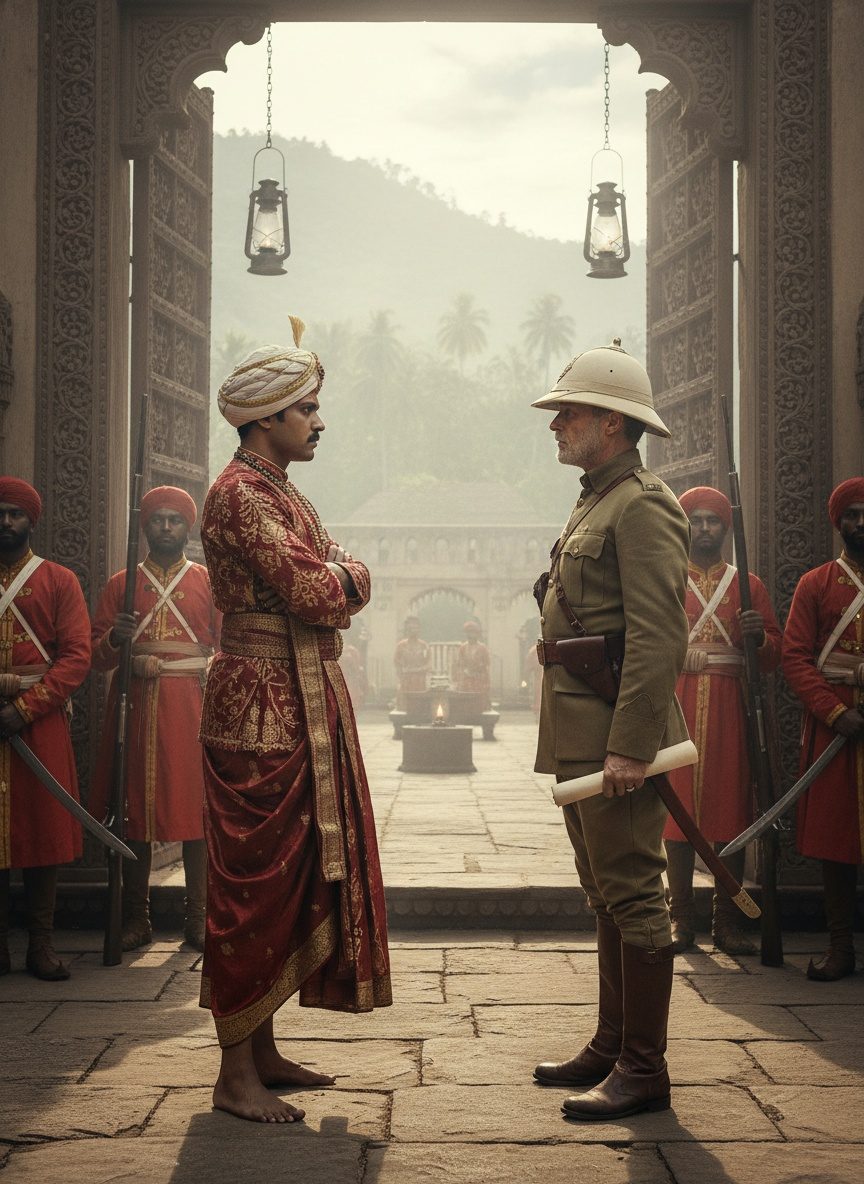
The First Anglo-Sikh War ended in 1846. The real struggle for Lahore had just begun.
The Ravages of Conflict
The winter of 1846 descended on Lahore like a mournful shroud, its chill amplifying the desolation left by war. The city was reeling from the aftermath of the First Anglo-Sikh War, a conflict that not only rearranged borders but shattered the stability of the Sikh Empire. The lush fields that once encircled Lahore had grown barren, their bounty ravaged by the relentless marches of clashing armies. Within Lahore's ancient walls, hunger loomed large, a quiet adversary far more insidious than any soldier.
Chaos reigned. The structures of governance had collapsed, leaving the city in a fragile state. Provisions dwindled daily, leaving its inhabitants on the brink of famine. The Sikh treasury, strained by war reparations and internal strife, offered little relief to the desperate populace. It was in this vulnerable space that Henry Lawrence, a British Resident, found himself. Amidst the turmoil, Lawrence saw beyond diplomatic duties and understood the profound duty of humanity.
A Singular Decision
Henry Lawrence was not a man for petty bureaucracy. Trained in the art of war and diplomacy, he was also guided by a robust moral compass. The British Empire, ever concerned with procedure, had offered no immediate orders regarding the humanitarian crisis unfolding in Lahore. Yet Lawrence, driven by an empathy that transcended protocol, decided to act.
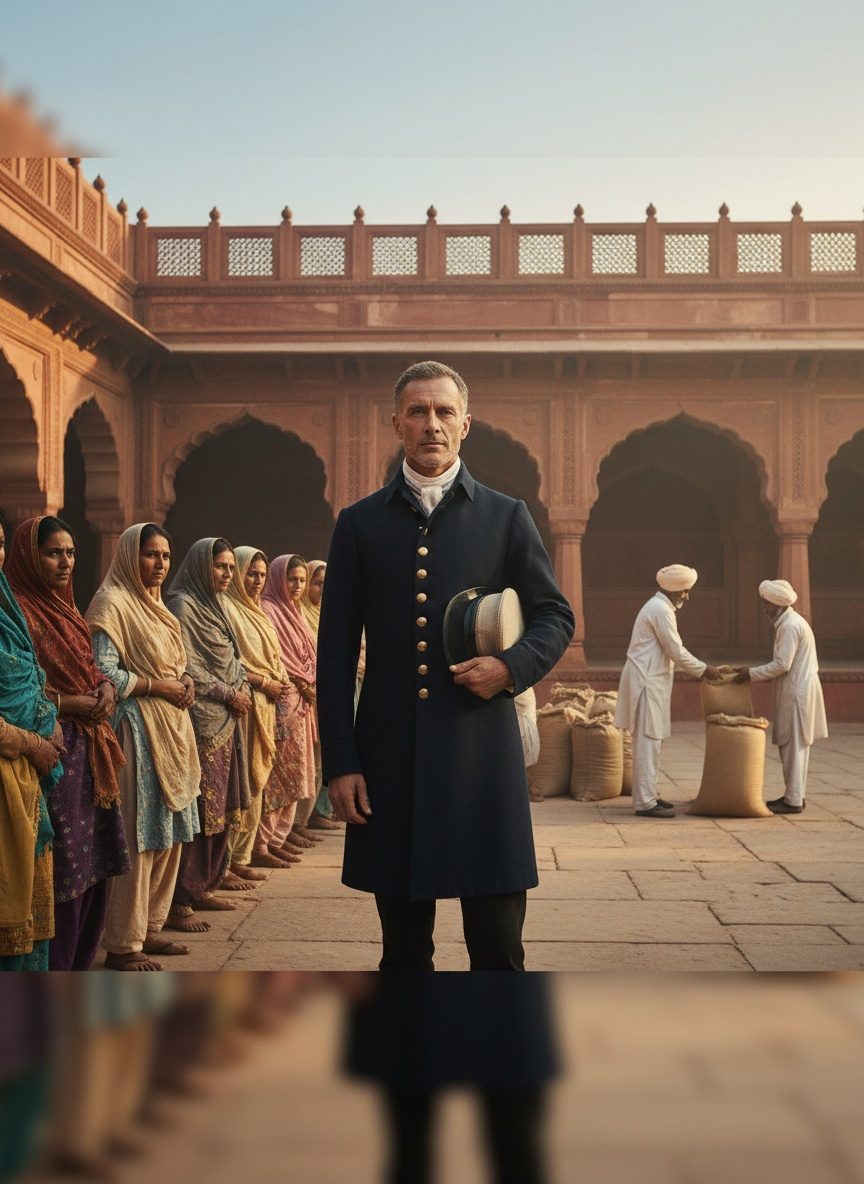
Without awaiting official sanction, he made a momentous decision—to open the treasury and feed the city's starving masses. It was a move as audacious as it was compassionate, born out of the belief that sometimes, doing right outweighed doing by the book. From his own authority, Lawrence allocated funds to purchase food, effectively staving off imminent disaster. This action not only provided sustenance to innumerable families but also infused a sliver of hope into a city otherwise devoid of it.
Much of his efforts were centered in the bustling marketplaces, where Lawrence oversaw the distribution of grain and essentials. The people gathered in throngs, the clamor of their voices rising above the dusty din, mingling with the air like hymns of gratitude. It was here, in these market squares and streets, that the true battlelines of compassion and humanity were drawn.
Sustaining a Fragile Peace
The measures Lawrence took were not isolated to feeding the populace. With the specter of chaos still looming, he recognized that maintaining order was as crucial as quelling hunger. Soldiers—often paid erratically amid the tumult—posed a potential threat if left discontented and unpaid. They were, after all, men of Lahore too.
Lawrence's actions extended to ensuring the soldiers received their salaries, preventing what could have been an easy slip into rebellion or lawlessness. It was a delicate dance of diplomacy, requiring a deft touch to balance between compassion and practicality. As tensions simmered, his quick actions averted a crisis within a crisis. The soldiers remained loyal—not to an occupying power, but to the man who understood their plight and honored it.
For weeks, this strategy held Lahore in a fragile equilibrium. Tales of Lawrence’s deeds spread quietly, whispered among the alleys and bazaars, carried by word of mouth to ears hungry not only for food but for hope. His efforts fostered a sense of unity in the city, threading through its fabric like new stitches in an old tapestry.
An Unwritten Legend
In the grand annals of history, the winter of 1846 in Lahore might pass by as a mere footnote, overshadowed by the grander movements of empires and the opulence of Maharajas. Yet the legacy left by Henry Lawrence during those critical months offers a compelling narrative that history often overlooks—the power of individual conviction in times of widespread despair.
Lawrence’s actions served as a beacon of moral strength and a reminder that leadership extends beyond jurisdiction and authority. He understood the fundamental truth that human dignity is an unassailable right, regardless of wartime politics and imperial logistics. By feeding the starving and stewarding a fragile peace, he provided Lahore not just with sustenance, but with a narrative of resilience and moral courage.
While history may not sing loudly of Henry Lawrence’s winter in Lahore, the echoes of his deeds resonate in the ethos of compassionate governance, a legacy timeless in its reminder that often, it is the quiet, unsanctioned acts of conscience that most profoundly shape the heart of humanity.