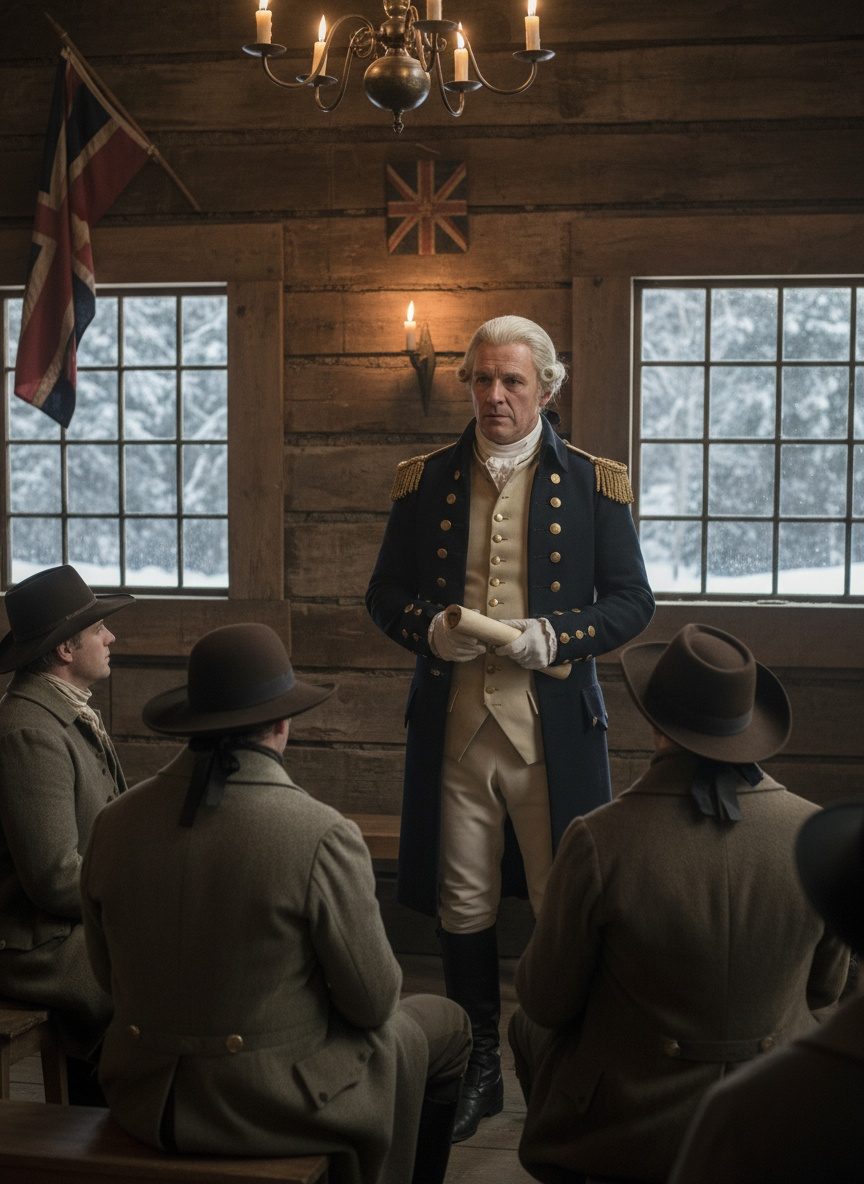
In the snowy expanses of Upper Canada in 1793, the forest-breathing cold was a whisper of destiny. Here, amidst the rustling trees and snowfall silence, a resolute figure was etching a line not in the earth, but in the eternal memory of human rights. Colonel John Graves Simcoe, in a canvas of evergreens and untouched horizons, set into motion a promise that would challenge and change the winds of Empire. Here, in the land of the Redmaple, with courage steeled by the wilderness, Simcoe declared a bold vision: no slave would enter Upper Canada, and no child would be born into chains. This was not mere policy—it was prophecy.
The Man Behind the Mission
Who was John Graves Simcoe? He was no ordinary colonial governor. Born on February 25, 1752, Simcoe was the son of a Royal Navy officer, a man imbued with a sense of duty and firmness from his earliest days. Educated at Eton and Oxford, Simcoe's time at these revered institutions stirred a spirit of reform and morality in him. This British officer wasn't merely a cog in the vast machine of the Georgian Empire; he was, above all, a humanist.
Simcoe first made his mark during the American Revolutionary War, leading the Queen's Rangers with distinction, a reputation that earned him the governorship of Upper Canada. But far from the bustling cities of England, in the untamed land of Upper Canada, Simcoe saw not just a realm to govern, but a society to reform. Imagine the scene: Simcoe standing resolute among the looming pines, envisioning a future where Upper Canada would become a bastion of freedom amidst a world still shackled by slavery.
A Novel Notion in a Nascent Land
By 1793, Wilberforce was passionately pleading for abolition in the British Parliament, but across the ocean, it was John Graves Simcoe who turned talk into tangible action. The landscape of Upper Canada, though sparsely populated, carried the weight of untold potential. The forests that stretched as far as the eye could see were more than just untamed wilds; to Simcoe, they were fertile grounds for freedom.
The Act Against Slavery was introduced on July 9, 1793. It was a legislative masterpiece envisioned by Simcoe. Enacted amidst the chirping crickets and babbling brooks of Newark (now Niagara-on-the-Lake), it was North America's first recorded law to restrict slavery. Though the act did not emancipate existing slaves, it did stop the importation of slaves into Upper Canada and declared that children born to slave mothers would be free upon adulthood. This landmark legislation placed Simcoe strides ahead of his time.
A Sanctuary in the Shadows
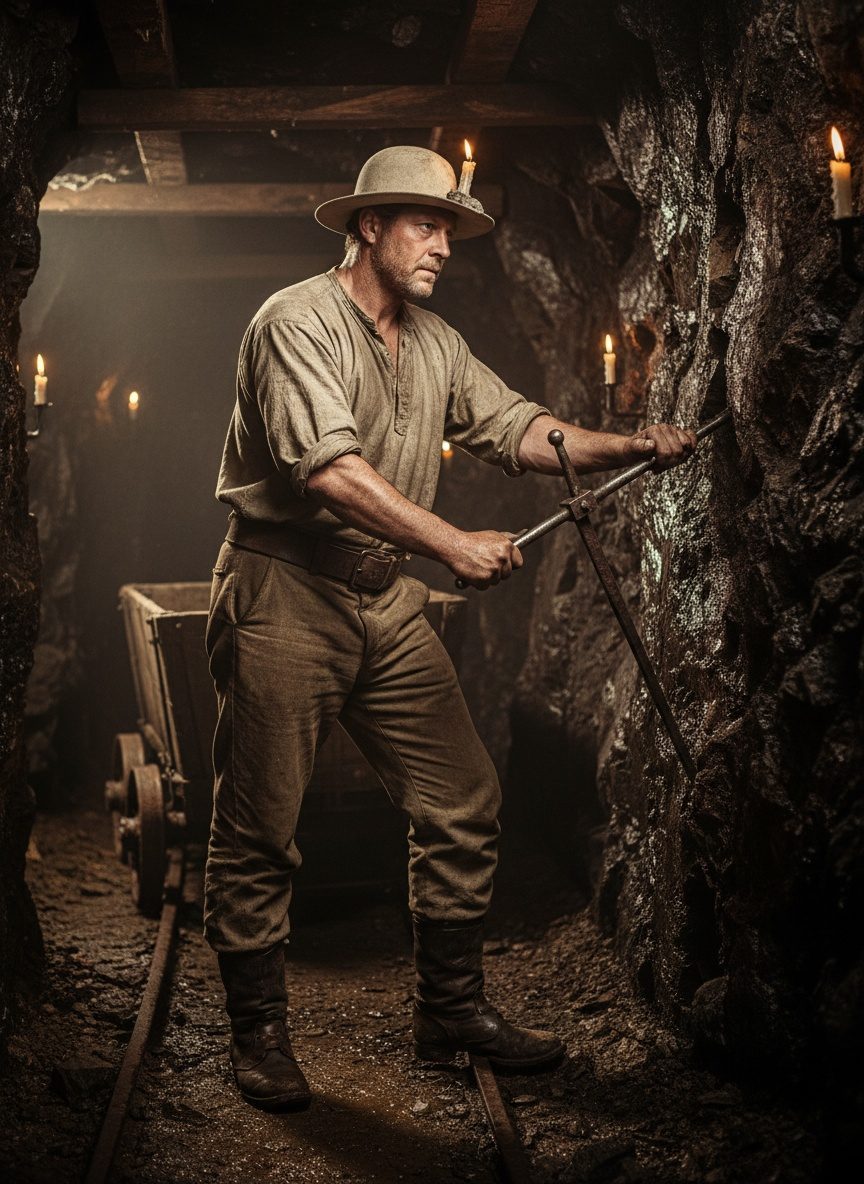
Picture the life of the first settlers: families forging homes from the verdant woodlands, breaking trails where only beasts had roamed. Yet, in this tapestry of hope and resilience, there were the dark threads of bondage, as evidenced by the presence of approximately 300 slaves by the 1790s. Even in these outposts of isolation, the moral conundrum of slavery lingered.
For many, Upper Canada became a beacon. The Underground Railroad, the secret network ferrying enslaved Africans to freedom, found new pathways northward—towards Simcoe's sanctuary amid silent snows and whispering trees. By the early 1800s, refugees from the oppressive South marked their harrowing journeys by the North Star, each step bringing them closer to the promise of liberty in the icy embrace of Upper Canada.
The Battle for Belief
Opposition was inevitable. From slave owners to traders, the resistance Simcoe faced was as real as the rivers and as intricate as the branches weaving through the forest canopy. Yet, the governor, fervent like the winds driving the Canadian winter, remained undeterred. He was forging not just pathways through the wilderness, but avenues for progress within the human conscience.
Simcoe's efforts may have been met with skepticism and outright defiance, yet his legislation would eventually advance the abolitionist cause throughout the Empire. When Wilberforce finally succeeded in passing the Slave Trade Act in 1807, it was on the shoulders of pioneers like Simcoe that this monumental moment stood.
A Legacy Echoing Through Time
Why does Simcoe's struggle resonate with us today? Because it reminds us that change often begins on the margins, with individuals who, though small in number, are mighty in spirit. The land where Simcoe laid this visionary act is now a testament to his foresight—a reminder that great change begins with a promise, and that the vastness of dreams is unbounded by circumstance.
Throughout history, the push for freedom, equity, and justice has been a journey not for the faint-hearted but for those who, like Simcoe, dare to draw lines in the snow, to plant seeds in the wilderness. The echoes of Simcoe's actions ripple through time, reaching us today, asking us to consider—what promises shall we make, and how steadfast shall we march to ensure their fulfillment?
In the heart of the wilds, under skies fierce and clear, a new nation was born not of politics and power but of a governor's conviction that no more souls would languish in chains. Simcoe's Canada was free, ready to face the world, footfalls echoing a future unshackled from the past.