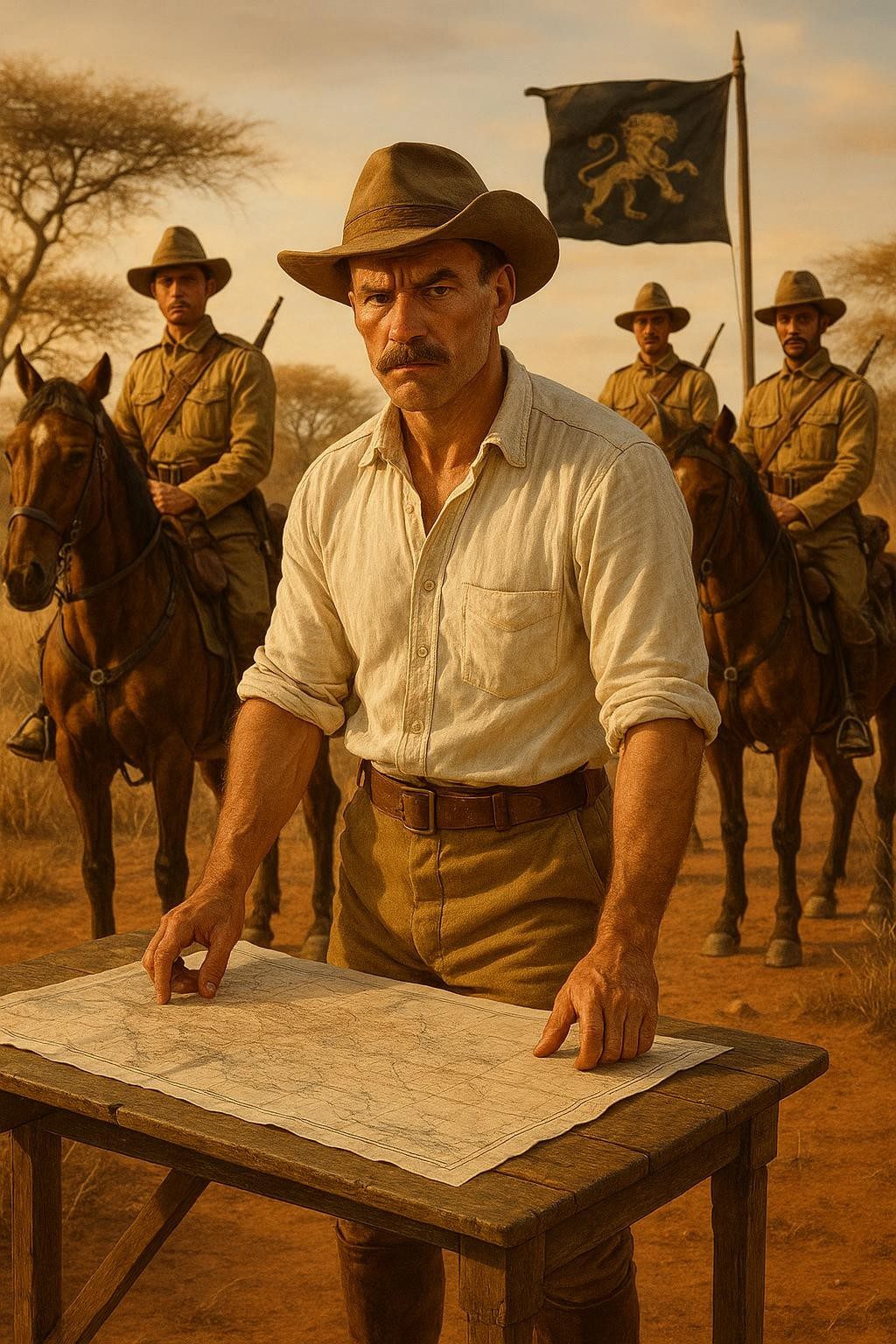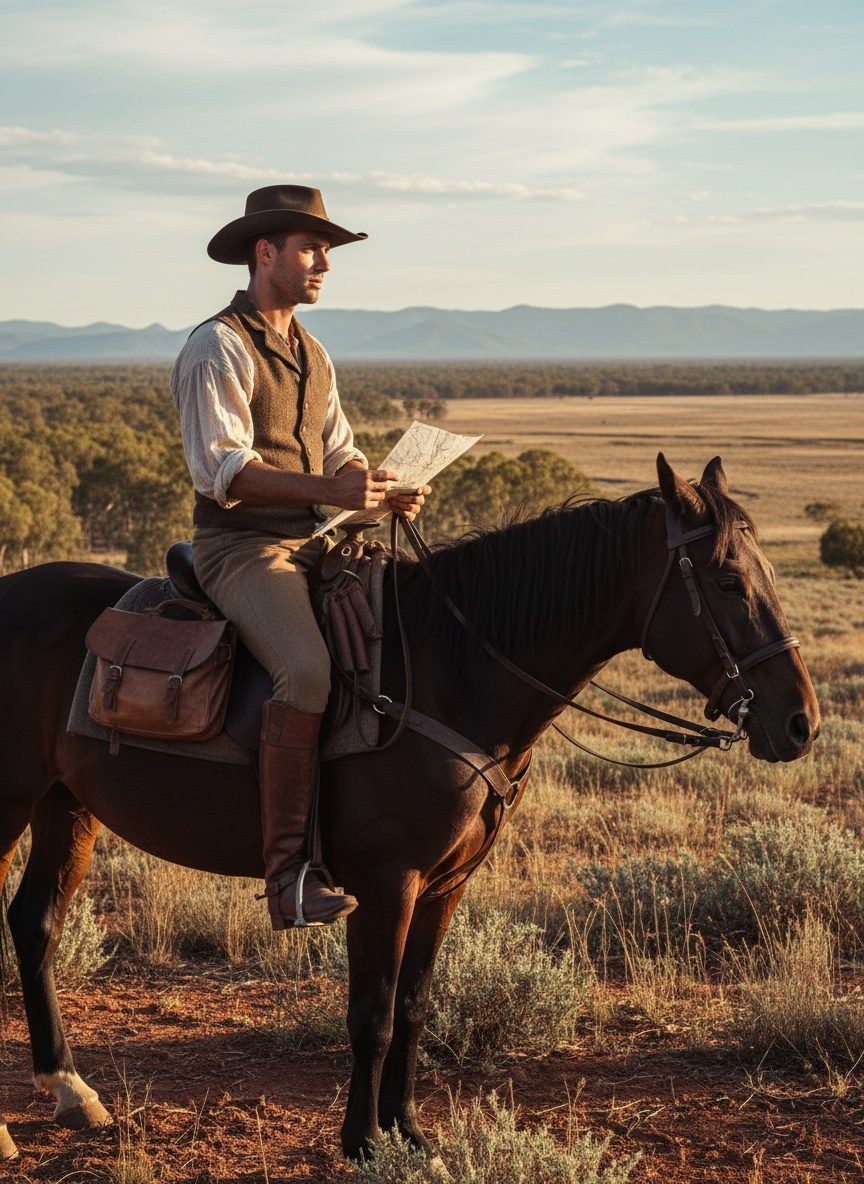
On a bright morning in 1813, the sprawling landscape of Parramatta — once deemed harsh and unforgiving — unfolded under a golden sun. The air was crisp, tinged with a faint hint of eucalyptus carried by the gentle breeze, and the cries of kookaburras reverberated through the gum trees. As the first rays pierced through the morning mist, the stakes for the infant colony of New South Wales stretched far beyond the serene beauty of its surroundings. Nestled in this remote corner of the world, distant from their homeland, a community teetered on the brink of starvation. Yet amid adversity, one man named John Macarthur and his persevering optimism held the key to survival.
The terrain of the New South Wales settlement was an inauspicious mix of poor soil and unruly wilderness. Attempts to cultivate crops had been labored and the yield perpetually disappointing. Missteps and misfortune compounded the settlers' struggles, and whispers of discontent found their way back to London, a continent away. London officials, impatient with the lack of progress and unsure of the colony's potential, hinted at the withdrawal of support. Crucial aid was thinning and, with it, the hopes of an isolated colony subsisting at the edge of the known world.
Amidst this bleak outlook, John Macarthur stood out as a figure both revered and controversial. Though initially transported as a military officer, it was not the red tunic of the service that defined his legacy but the curly flecks of white grazing on his swath of land. These sheep, imported with great foresight, were not just of any breed but the esteemed Spanish merino, regarded for their unrivaled wool. While others watched the plow, Macarthur saw opportunity in the unyielding fields, betting not on cultivation but on the thickness of fleece. Skeptics dubbed it folly, a whimsical distraction. Yet Macarthur's determination found stony ground on which to take root.
The toil was extensive and the patience required prodigious. Over the course of a decade, Macarthur meticulously attended to his flock, selectively breeding and ensuring their survival against the elements and disease. His experiment was not isolated; it was a calculated gamble entwined with history's tide — Spanish merino sheep were fiercely protected, and obtaining the prized breed involved navigating international intrigue and diplomacy as much as gubernatorial permission.
The shift from crop failures to wool creation might have seemed a drastic pivot, yet the consequences revealed a new dimension of opportunity. The colony could not just survive but thrive, through a resource both sustainable and sought after. As early samples of wool reached London's textile industry—notably some of the finest in the world—an astonished Europe took notice. Suddenly, the unthinkable became viable: a colony predicated on farm failures pivoted to an economy driven by grazing success.
London’s response to Macarthur's bounty was swift and significant. Capitalizing on the fashion trend sweeping Europe, the merino wool was heralded for its superior quality, and demand spiked almost instantly. With it came financial lifelines; a venture once at the mercy of the elements was now backed by capital and commerce. The very existence of the settlement, perched precariously between despair and dissolution, now buzzed with new entrepreneurial vigor.
Back in Sydney, the trickle-down effects were palpable. No longer was the colony merely a correctional footnote bound by penal ties. Its potential as a new cornerstone of imperial wealth became glaringly apparent. Other settlers, initially wedded to agriculture's beaten path, now turned their sights toward livestock, the once-mocked sheep transformed from curiosity to backbone of enterprise. The colonial economy was invigorated, lending new meaning to the land they occupied and reshaping the very future of its purpose within the Empire.
Ultimately, Macarthur's achievement was not solely about the sustenance of the starving, but the formulation of a new identity. From this critical juncture emerged a landscape of possibility, where the economy would burgeon and transform Australia into a continent annotated by vast pastoral success. Wool was more than a commodity; it was a catalyst that blurred the lines between survival and prosperity, altering the very fabric of colony life and propelling it towards eventual nationhood.
The story of when John Macarthur's wool saved a starving colony in 1803 serves as a reminder of the profound intersections between resilience and innovation. In an era defined by the whims of empire, it was the foresight of one grazier, believing in the improbable, that marked a turning point in history. It suggests a contemplation of how necessity, grit, and serendipity converge to shape legacies far beyond one's imagination, weaving textures of possibility into the tapestry of nations yet to come.