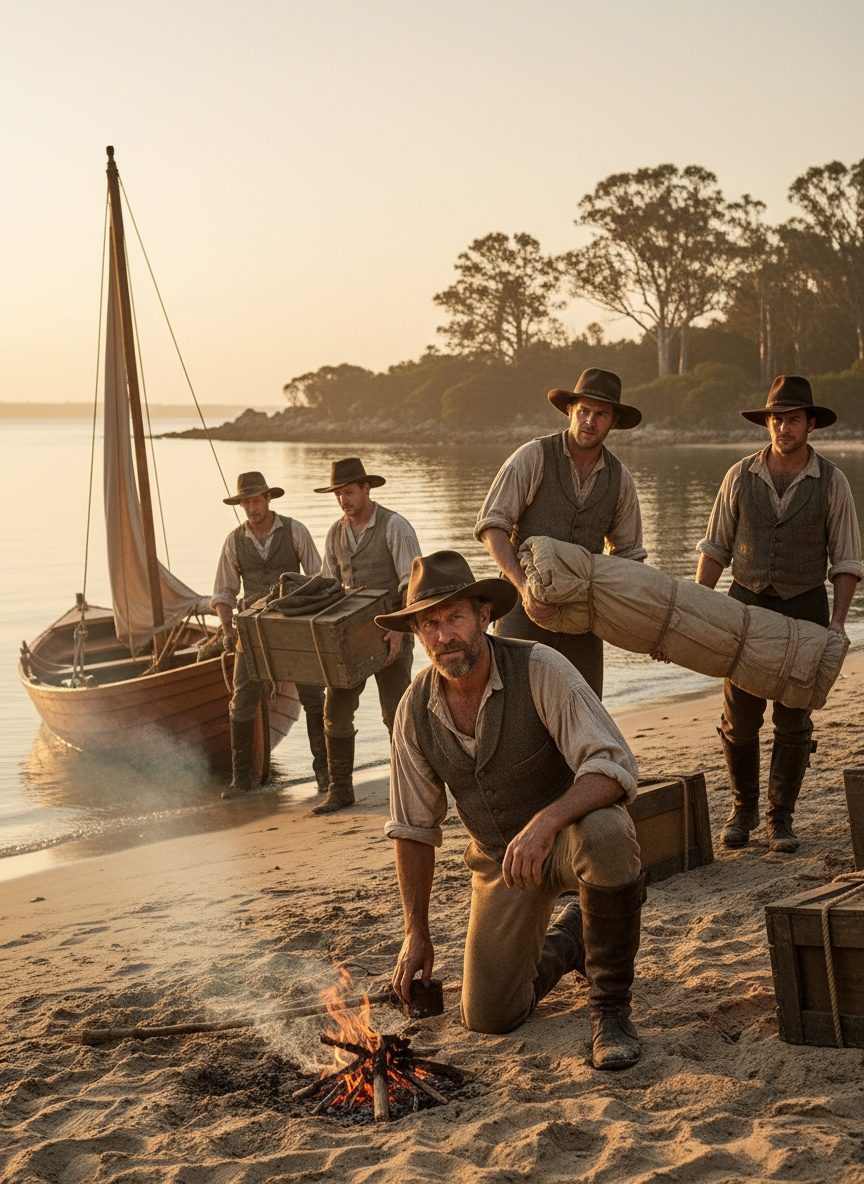
The shores of Port Phillip lay silent and untouched. Then came the fire, flickering defiantly against the dusk.
The Unofficial Beginning
August 1835 was not like any other month in the history of early colonial Australia. Not because of governmental decrees or grand explorations; rather, it was due to an unauthorized venture that would lay the foundation for one of the most celebrated cities in the southern hemisphere. Seven men, led by the enigmatic John Pascoe Fawkner, had departed from Tasmania and found themselves staring at the unclaimed expanses of Port Phillip Bay. The audaciousness of their voyage was only matched by the uncertainty of what lay ahead. These shores were familiar to explorers but had not been the site of permanent settlement. Yet, these men had the audacity to light a fire and stay—without permission, and without orders. The blank canvas of land thus began to tell a new story.
The Decision That Changed the Voyage
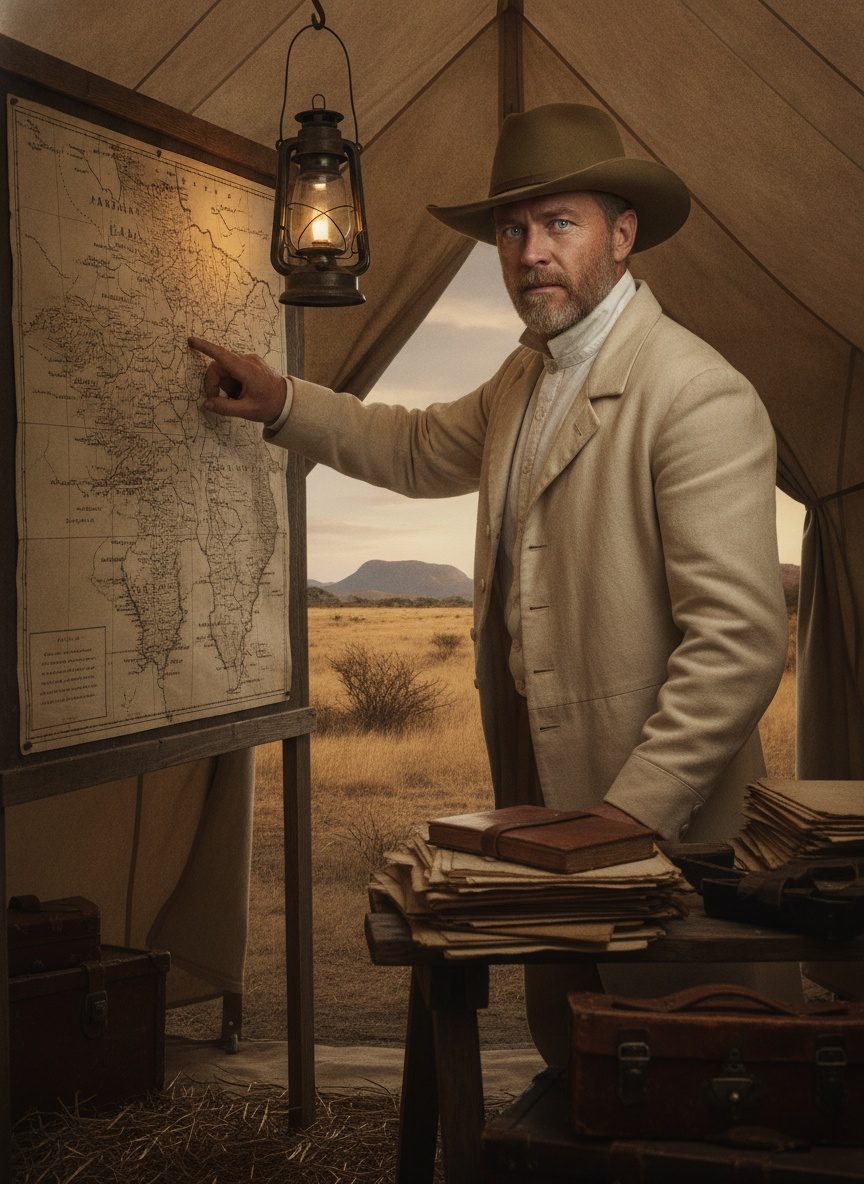
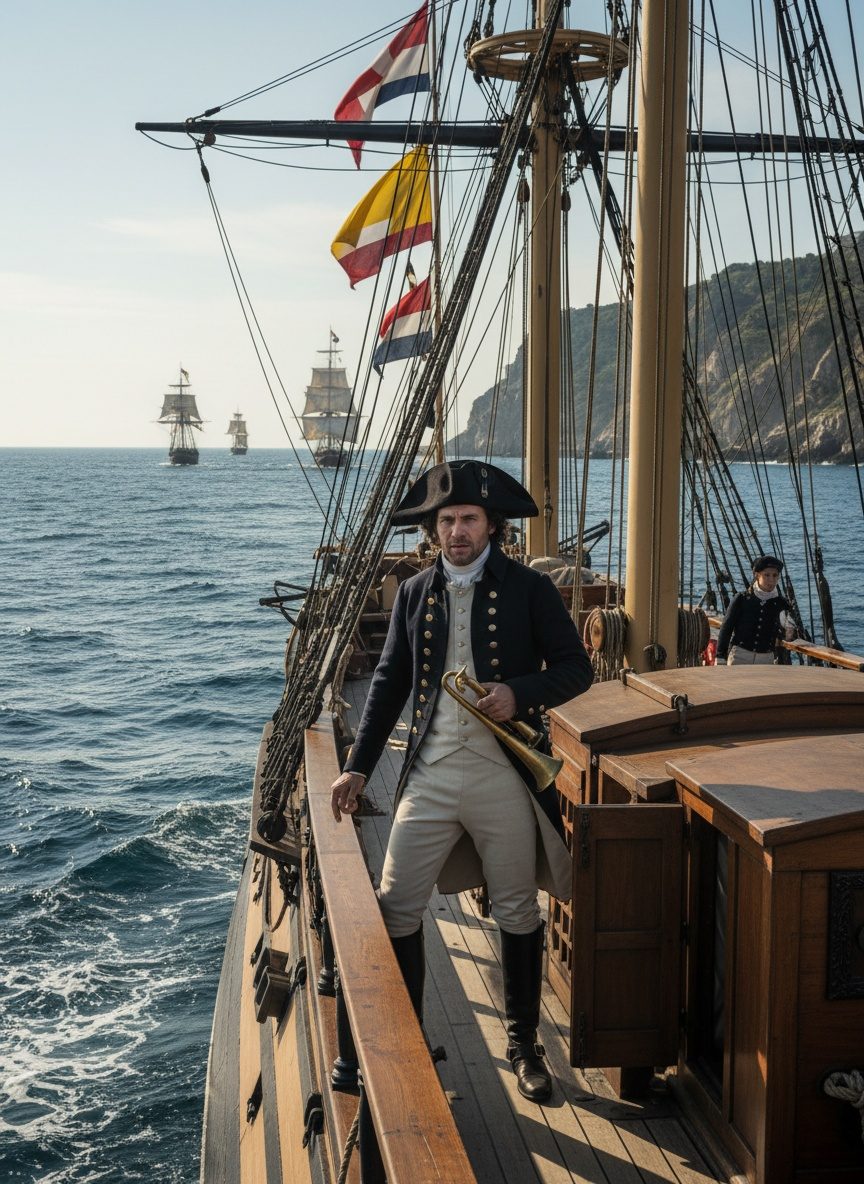
John Pascoe Fawkner was a complex figure, equal parts visionary and maverick. Born to a convict father, his start in life was hardly auspicious. But Fawkner was nothing if not determined. He saw opportunity in the lands across the Bass Strait, specifically in the region of Port Phillip, which had recently been brought to wider attention by the explorations of John Batman. But Batman's formal land agreements with the local Aboriginal groups seemed to leave no room for Fawkner's ambitions. Undeterred, Fawkner and his band set sail in a tiny schooner, the *Enterprize*. They were armed with little more than hopes and a sheer will to establish a piece of the world for themselves.
The Moment They Stepped Ashore
One can imagine the awe of those seven men as the *Enterprize* approached the shore. There was an untamed beauty to this place, with lush forests pressing up against the indigo waters of the bay. The land was ancient, yet to them, it felt as if it had been waiting for this very moment. There was no formal ceremony, no trumpets to announce their arrival. Only the crunch of footsteps on sand and the soft crackling of the fire they built in contrast to the quietude all around. The act of lighting that fire symbolized a claim far bolder than any written deed. Here, in the quiet of the early colonial era, a nascent society was beginning to take shape.
Challenges from All Sides
The days that followed were marked by struggle and resilience. Survival was an immediate concern, as the men confronted challenges from nature and the isolated position they were in. Without formal shelter, the nights were fraught with uncertainty. Supplies were limited, and the local flora and fauna were unfamiliar to these Tasmanian transplants. Yet, it was not only the environment they had to contend with. The legality of their settlement was on shaky ground, raising potential conflicts with authorities once their presence was noticed. Danger lurked at every corner, but so did possibility. These men were carving a future from a land that few could claim to understand, let alone control.
The Turning Tides
Despite the numerous challenges, or perhaps because of them, the settlement started to attract attention. Word traveled back to Tasmania and beyond. A settlement without official blessing was often a recipe for failure, yet it was succeeding—garnering intrigue and, likely, a certain level of envy. The foundations set by Fawkner and his men would soon lead to the formal establishment of Melbourne, fostering a blend of cultures and ambitions that would drive unprecedented growth. The city would become a beacon for commerce and diversity, evolving into a metropolis while still carrying the legacy of those first seven men whose audacious start lit the path forward.
In the annals of early Australian colonial history, the tale of John Pascoe Fawkner and his company stands as a testament to the profound impacts of grit and unconventional choices. They offered no grand speeches, and yet their actions spoke volumes. They lived—as pioneers must—with a vision that stretched beyond the horizon, persistently reshaping it as they went. Today, Melbourne is a testament to dreams built on resilience and the human spirit's innate refusal to be constrained by the absence of formal permission. It's a reminder that sometimes, the greatest changes come from the quiet conviction to remain where others have never thought to stand.