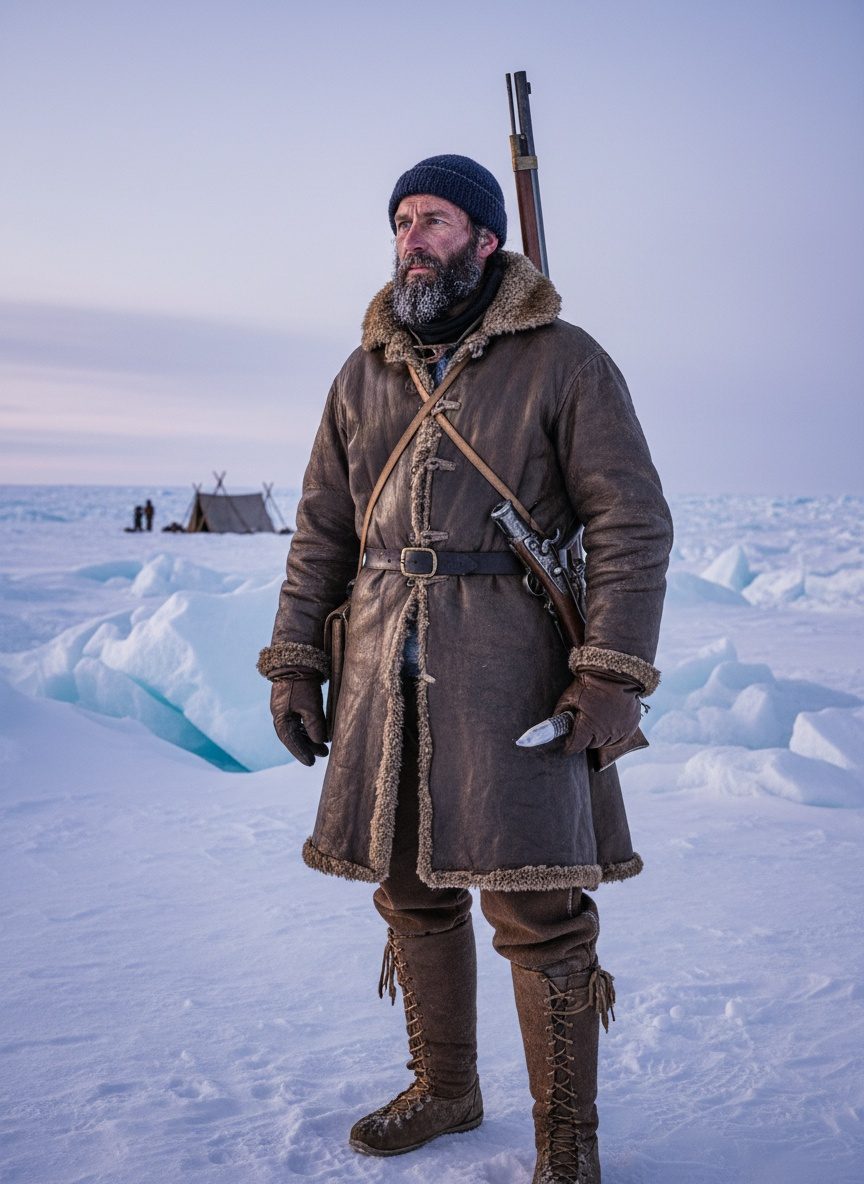
The biting Arctic wind tore at John Rae's face as he trudged through a landscape that seemed to hold nothing but endless ice. Each step was a battle against the elements, the frost snapping at his boots and the sound of his breath heavy in the silence around him. Alone in this vast wilderness, Rae pressed on, guided only by the stars and his unyielding determination to uncover one of the greatest mysteries of his time—the fate of the Franklin Expedition and the elusive Northwest Passage.
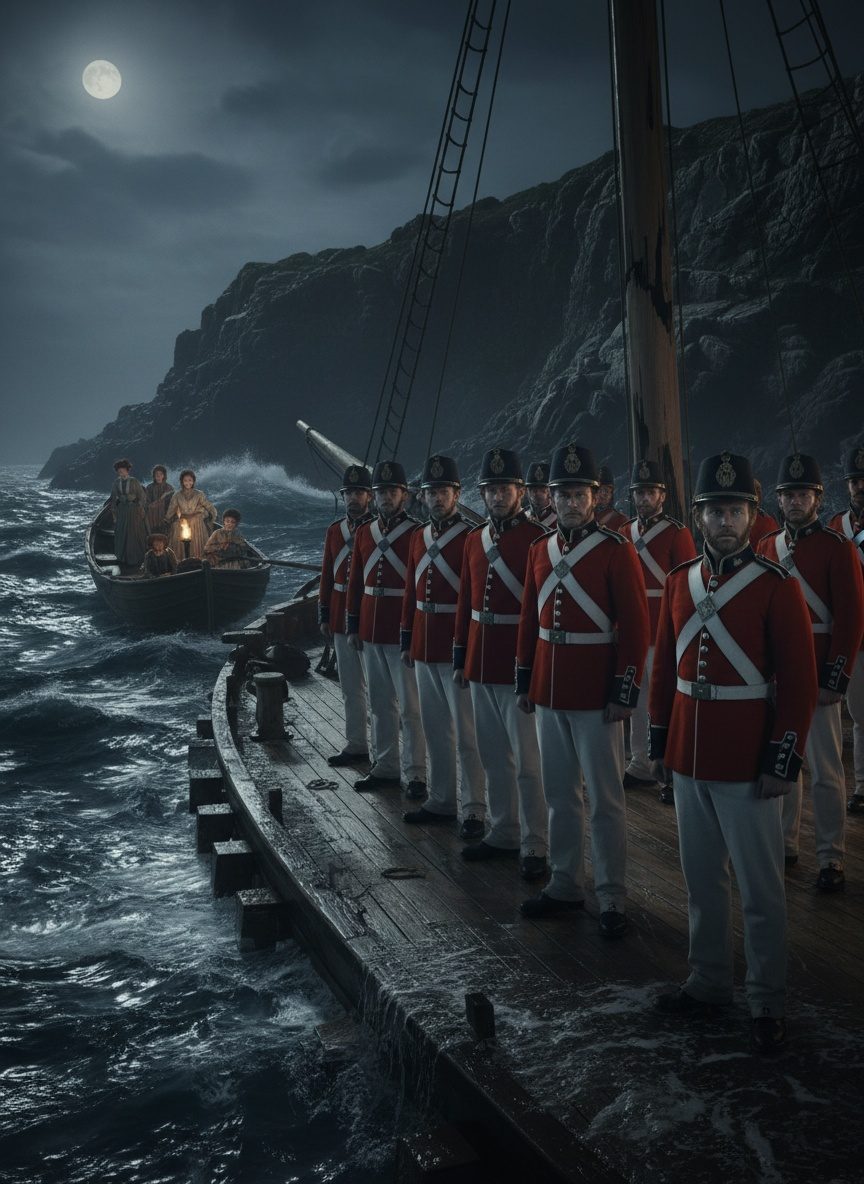
Before Rae's solitary journey in 1854, Britain's finest naval officers and explorers had attempted—and failed—to chart a course through the Arctic's icy labyrinth. The British Empire had expended vast resources and countless lives in its pursuit, driven by the promise of a shorter trade route to Asia. Yet, the Arctic, with its treacherous channels and shifting ice, had foiled even the mightiest of fleets. This was the empire's blind spot, the region where navies of warships had foundered, and men had vanished without a trace.
John Rae, a Scottish doctor with the Hudson's Bay Company, was no ordinary explorer. Known for his resilience and intimate understanding of the Arctic environment, he was everything that many of the armchair admirals in London were not. His philosophy was simple but radical for the time: adapt to the land, rather than bend it to one's will. Rae had learned to traverse snow and ice with snowshoes, hunt with local techniques, and most importantly, listen to the indigenous wisdom of the Inuit, which, until then, European explorers had largely ignored.
The journey Rae embarked upon was daunting. He walked over 1,200 miles across the frozen tundra, relying on his skills and the knowledge imparted to him by the Inuit. Step by step, he moved through regions where Royal Navy expeditions had feared to tread. The silence was profound, interrupted only by the crunch of snow beneath his feet and the occasional crack of distant ice. Rae was a solitary figure against the vast expanse of white, a testament to human endurance.
As Rae pressed further north, he encountered Inuit hunters who spoke of "white men who had perished from hunger" west of the Back River. They described scenes of desperation and despair—a ghastly confirmation of the fate that had befallen Franklin's men. They spoke of a ship trapped in ice and of men walking on the land until they could walk no more. It was from these accounts that Rae pieced together the tragic end of an expedition that had fascinated and haunted the British public.
Returning to England with this news, Rae's discoveries should have been hailed as triumphs. He had, after all, not only traced parts of the Northwest Passage but also explained the fate of the doomed Franklin Expedition. Yet, he was met with scorn from the British establishment. The truth he brought back was too bitter to hear—cannibalism among Franklin's men—a reality that polite Victorian society refused to accept.
The empire that had spent millions in pursuit of the Northwest Passage, that had lionized Franklin as a national hero, was not prepared to have its narratives challenged by factual accounts from a rugged Scot. The Royal Navy, with all its power and prestige, saw its image tarnished by Rae's discoveries. Despite his meticulous approach and the authenticity of his Inuit sources, Rae's revelations were dismissed as hearsay. The upper echelons of society clung to their idealized vision of Franklin's gallant sacrifice.
Despite the opposition, Rae's findings were a turning point. His reports eventually led to further exploration and advising on Arctic expeditions, yet recognition came too late for Rae himself. He never received a knighthood or grand acknowledgment from the empire he had served so well, but his legacy endured in other ways. His methodologies influenced future Arctic explorations, emphasizing survival skills and collaboration with indigenous peoples, which became crucial elements in later successes.
In hindsight, Rae's lonely trek across the ice wasn't just a quest for geographical and historical truths; it was a confrontation with the arrogance and assumptions of imperial ambition. His story is a potent reminder of the power of the individual to challenge and change narratives, and of the importance of listening to those who have walked the land long before explorers claimed to "discover" it.
Now, more than a century and a half later, John Rae's journey offers valuable lessons about empathy, the importance of respect for indigenous knowledge, and the humility needed to face the unknown. It challenges us to reconsider how history is told and who it remembers. In claiming the Northwestern Passage, Rae bridged not only continents but the gap between two ways of knowing the world. His footsteps across the Arctic ice echo loudly through the silence, a timeless cry for truth over legend, and fact over fiction.