Imagine, if you will, a world where a flick of the wrist and a splash of ink were reserved for only the privileged few. A time when writing was not just an art but a rare skill, cloaked in the ritual of crafting the perfect quill. Before the mid-19th century, literacy was a luxury piled atop a mountain of feathery plumes and inkpots. In this world of scripted exclusivity emerged a man from humble beginnings, Josiah Mason, who would flip the script, democratizing the written word with a sliver of steel. Based in Birmingham’s industrial heartland, Mason’s pen nibs would make 180 million impressions by 1850, forever altering the landscape of education, commerce, and communication.
The Humble Beginnings of a Pen Pioneer
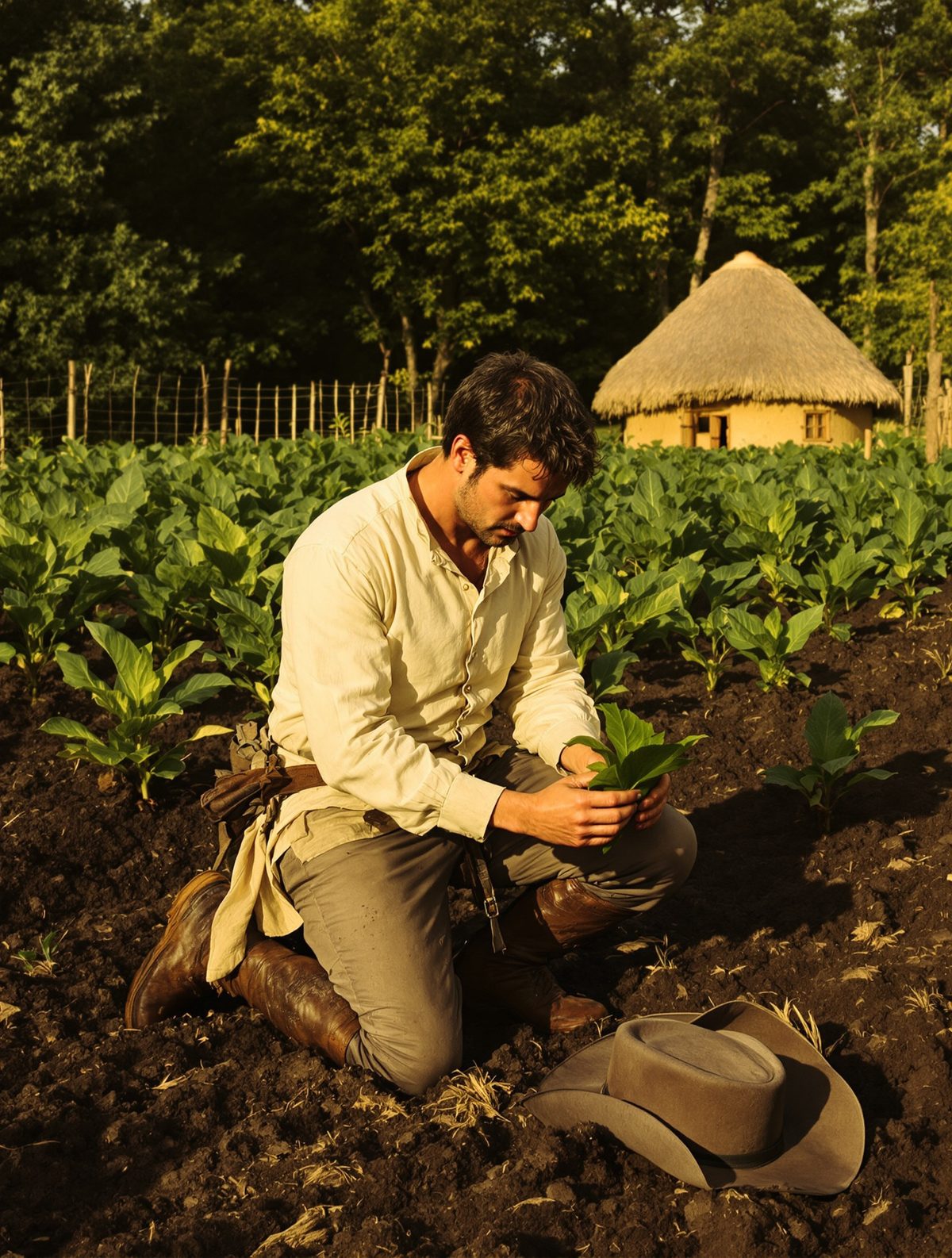
Born into obscurity in 1795 in the modest town of Kidderminster, Josiah Mason was not destined for greatness by birth. Son of a carpet weaver, Mason’s upbringing was steeped in the struggle of the working class. His early years were marked by trials, but his life’s journey soon led him to the booming metropolis of Birmingham, an industrial powerhouse teeming with opportunity.
In 1829, armed with little more than determination, Mason began working with local brass founder Samuel Harrison. He took an interest in the burgeoning industry of steel pen nibs, carving his niche in the trade. The innovation of steel nibs, though nascent, demonstrated potential to revolutionize writing. Mason's tenacity propelled him to perfect this nib, ensuring not just durability but uniformity, a feat not possible with the organic variability of goose quills.
Birmingham: The Factory of the World
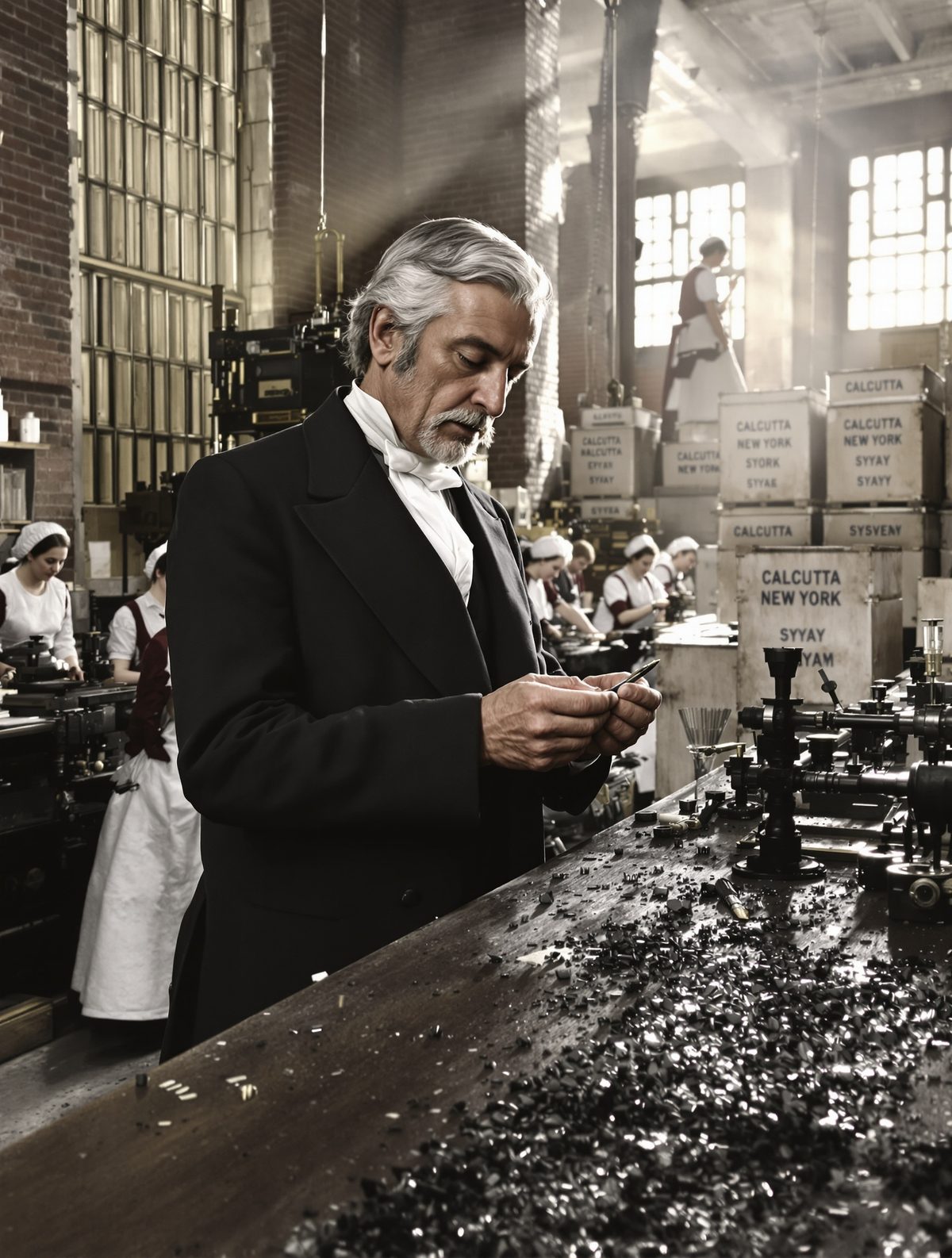
Birmingham in the 19th century was a hive of innovation and industrial might, often referred to as the "workshop of the world." This backdrop provided a fertile ground for Mason’s ambitions. By 1839, he had established his own factory and began producing pen nibs at an unprecedented scale.
This factory wasn't just a hub of production but a place of transformation. Mason pioneered the method of mass-manufacturing nibs through precision and mechanization, drastically driving down costs. Where once a quill and its maintenance priced out the common man, Mason’s nibs invited the masses to the page. The nibs were uniform, resilient, and produced in a plethora of styles to cater to diverse needs, from spidery script to bold lettering.
Writing the Victorian World
By the mid-19th century, Mason’s factory was producing half the pen nibs in the entire world. It's estimated that by the 1850s, he was churning out around 180 million nibs annually. The impact was transformative, spanning from dusty classrooms in London’s bustling city to the distant outposts of the British Empire. For the first time, writing was no longer the preserve of the wealthy elite. The explosion of affordable writing instruments coincided with the Victorian era's educational reforms, contributing significantly to the rise in literacy rates across the country.
What’s more, Mason's nibs were exported across the globe, reaching countries like India, Australia, and Canada. This international presence ensured that the written form of communication proliferated in colonies and nations worldwide, making the pen truly mightier than ever.
Beyond Commerce: A Legacy of Philanthropy
Josiah Mason's legacy extended beyond the mechanics of pen production. His heart, as it turns out, was equally attuned to the plight of the less fortunate. A philanthropist at heart, he used his wealth to establish the Mason Science College in Birmingham in 1875, a precursor to the University of Birmingham. His goal was to furnish public education opportunities similar to those he scarcely enjoyed.
The college underscored his commitment to the power of education, serving thousands and contributing immeasurably to the intellectual fabric of the city. Ever diligent, Mason even founded orphanages and almshouses, reflecting his understanding that lifting others was a measure of true success.
A Fine Point: The Steel Nib’s Enduring Impact
Today, the legacy of Josiah Mason and his steel pen nibs resonates through time. The democratization of the written word that he championed paved the way for widespread literacy, fostering a society where information and education were more accessible than ever before. Steel nibs laid the pathways that would eventually lead to the digital screens we type upon now.
The revolutionary impact of Mason’s enterprise serves as a compelling testament to how a single innovation can ripple through history, altering the trajectory of societies and empowering individuals. As we reflect on this pivotal chapter in the chronicles of communication, we are reminded of our shared responsibility to break down barriers that inhibit access to knowledge.
In a world continually shaped by the balance of innovation and accessibility, the story of Josiah Mason is an enduring reminder that sometimes, a world can be conquered not by sword or shield, but by the simple stroke of a pen.