Most people know Josiah Wedgwood for his exquisite ceramics. Few realize he transformed British trade with his own two feet.
The Potter Who Dared to Dream
In the heart of the 18th century, during the Georgian Era, the world of pottery was as delicate as the products it created. The uneven, rut-riddled roads of England posed a particular threat to the intricate and fragile wares crafted by master potter Josiah Wedgwood. What good was a beautifully designed teapot if it arrived in shards? Wedgwood faced a dilemma: either accept the loss or forge a new path—literally.
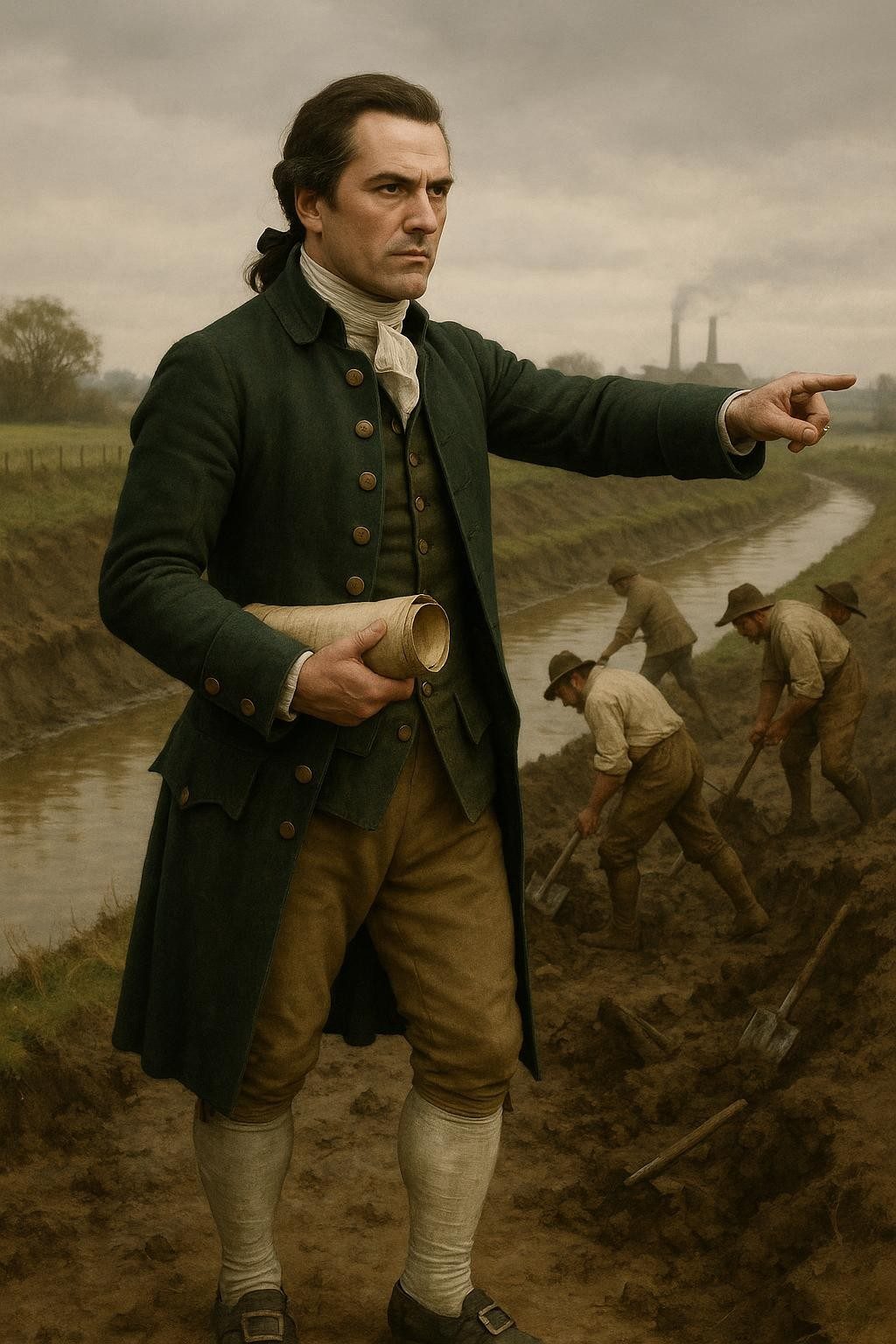
Wedgwood, an industrious soul with an eye for opportunity, envisaged a transformative solution. He would spearhead the creation of a canal to connect the potteries of Staffordshire with broader markets. He knew that a waterway would not only safeguard his products but also stimulate trade across the region. It was a radical idea, and it required convincing Parliament that it was not only feasible but essential.
From Vision to Reality: A Journey Begins
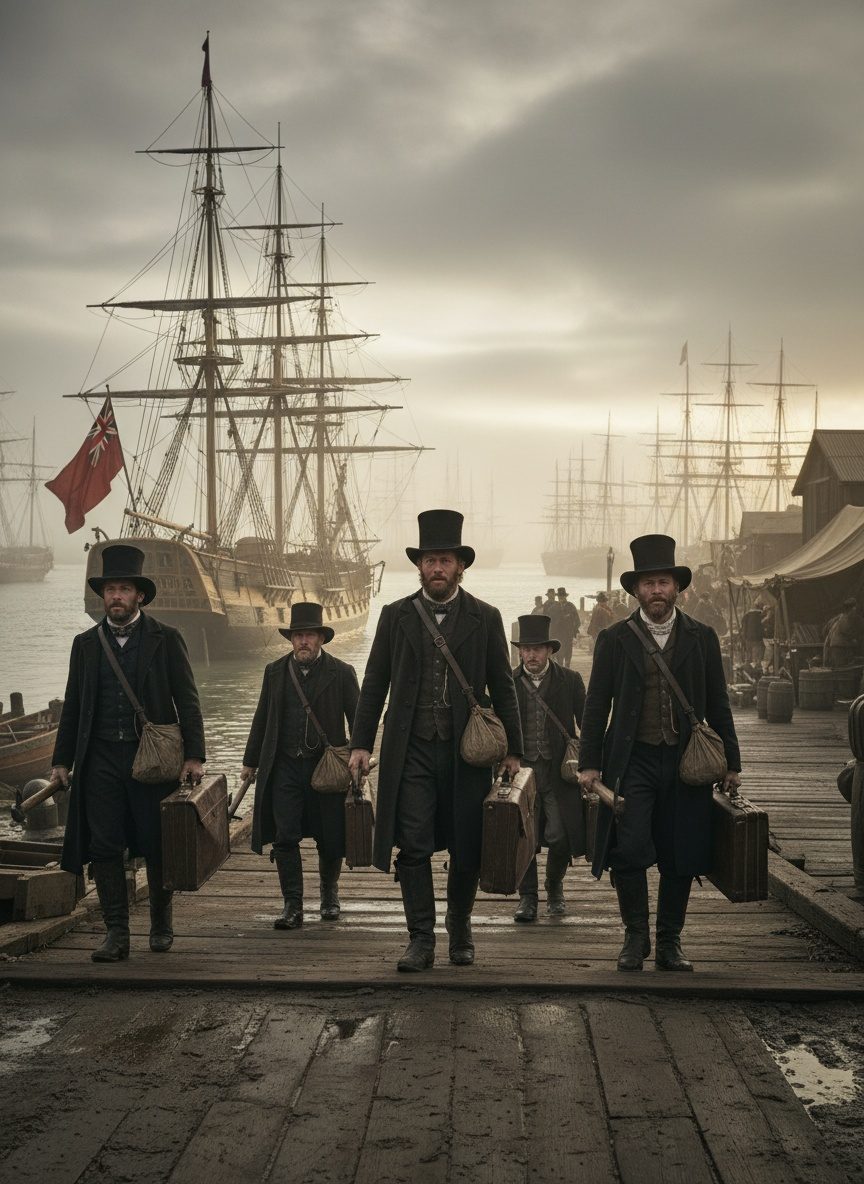
No dream comes without its struggles, and Wedgwood's was no exception. He personally lobbied Parliament in 1766, weaving eloquence with economic foresight to secure approval for the Trent and Mersey Canal. But it wasn't just rhetoric that would convince skeptics; it was action. In a testament to his dedication, Wedgwood took to the English countryside, beginning an exhaustive survey of the proposed canal route. Not content to leave such a critical task to others, he put on his walking boots and personally traversed every mile.
Imagine a solitary figure, resolute and determined, striding across verdant fields and negotiating with landowners whose cooperation was vital. Each mile of the proposed canal was a story in itself—a tale of negotiations, natural challenges, and meticulous notes. Wedgwood's pedestrian quest was more than a physical ordeal; it was a journey into the future of British commerce.
The Unseen Backbone of the Industrial Age
Construction of the Trent and Mersey Canal officially commenced shortly after Parliament's approval, with Wedgwood investing much of his own fortune into the project. As the canal gradually took form, snaking through the English countryside, it became apparent that this was more than just a route for pottery. This waterway was poised to be a crucial artery in Britain's nascent Industrial Revolution.
The canal's opening in 1777 marked a turning point. Suddenly, the movement of raw materials like coal and clay became far more efficient and economical. Finished goods traveled further afield with far less breakage and loss. What Wedgwood had started as a means to protect his ceramics soon burgeoned into a network that supported entire industries. Factories that once struggled with sporadic supply lines now thrived, their economic lifelines buoyed by the canal's wide reach.
Much More Than Monetary Gain
For Wedgwood, the success of the canal was not merely a financial triumph, although it certainly cemented his fortune. His role in the canal's development left an indelible mark on society. The way people connected changed, with ideas and goods flowing freely, knitting the country more closely together. Amidst monumental economic shifts, the Trent and Mersey Canal encouraged a cultural exchange unseen before, as goods carried stories from one corner of the country to another.
In the wake of these changes, the workforce dynamics shifted as well. New settlements arose along the canal's path; towns flourished; communities that once lay isolated now buzzed with the energy of trade and innovation. Wedgwood's canal laid not just the infrastructure for commerce but the groundwork for societal change.
A Modern Reflection on an Antiquated Dream
Josiah Wedgwood’s passionate undertaking demonstrates the profound impact of visionary thinking and personal determination. Today, we might take the seamless connectivity of our global economy for granted, but in the fog-bound fields and muddy paths of 18th-century England, a single visionary stepped forward to light the way.
The construction of the Trent and Mersey Canal was more than an exercise in logistics; it was an act of faith in human ingenuity and the potential of industry. This canal, born of Wedgwood's dedication and vision, not only secured his pottery business but also unlocked unprecedented industrial potential for a nation on the brink of transformation. It is a reminder that sometimes the boldest ventures begin not with great fanfare but with the quiet, steady march of determined footsteps.