In the year 1876, an unassuming act of a botanical heist unfolded that would not only alter the course of economic history but also transform the trajectory of the burgeoning industrial age. Deep in the heart of the Brazilian Amazon, a fiercely defended monopole, a young Englishman engaged in a daring undercover operation that would end South America's unrivaled grip on a material vital to every mechanical cog known to man: rubber. The mission’s unsung hero, Henry Wickham, managed to smuggle seeds out of the jungle, ensuring that the green pastures of Kew Gardens would become the unlikely saviors of the world's rubber supply. Let's delve into this remarkable tale and discover how one quiet act irrevocably changed the industries of the world.
The Era of Amazonian Monopoly
For the greater part of the 19th century, the Amazon rainforest was the world's sole source of rubber, a sticky, elastic substance harvested from the Hevea brasiliensis trees. This natural treasure was tremendously profitable and equally guarded. The city of Manaus, at the heart of Brazil, flourished as rubber barons amassed unimaginable wealth, effectively setting the global price for rubber and, unwittingly, holding the world's technological progress to ransom.
As the Industrial Revolution soared, so too did the applications for rubber, a versatile commodity fueling inventions from bicycles to burgeoning automotive industries. By the late 1800s, Europe’s insatiable appetite for rubber showed no signs of waning. The necessity of rubber extended beyond just civil convenience—it was a burgeoning economic imperative.
Mister Wickham Accepts an Extraordinary Mission
Amidst the backdrop of the Amazonian monopoly, a perplexing figure named Sir Henry Alexander Wickham emerges. Born in 1846, Wickham oscillated between roles, barely pinning down any until fate beckoned with an unusual call. In 1876, he received covert support from the Royal Botanic Gardens, Kew—an institution more renown for genteel plant-growing than international intrigue.
Britain needed to quench its thirst for rubber away from the ironclasp of Amazonia, and Kew Gardens became the clandestine epicenter of this botanical thriller. Wickham was tasked with smuggling rubber seeds out of Brazil, an act so daringly simple yet fraught with legal and moral complexities. The failed expectations of Manaus's gadflies had marked the undertaking as perilous, but Wickham's resolve was steely.
The Great Escape: Seventy Thousand Seeds to Freedom
In the lush coverage of the Amazon over one hot April fourteenth, Wickham gathered an astounding 70,000 seeds, packaging them ingeniously as "Fine Art Specimens" in an effort to avoid the scrutiny of Brazilian export officials. With a few strokes of bravado and unmitigated guile, Wickham managed to transport the precious cargo aboard the Amazonas to the shores of England, carrying with him a future that boasted more than green promise.
The success of the mission was as much about stealth as it was about timing. It is sometimes overlooked that the seeds' survival over the extended sea journey was a testament to Wickham's meticulously executed plans. The ship's safe passage marked the beginning of an agricultural revolution at Kew Gardens.
Kew Gardens: The Unsung Hero of the Rubber Revolution
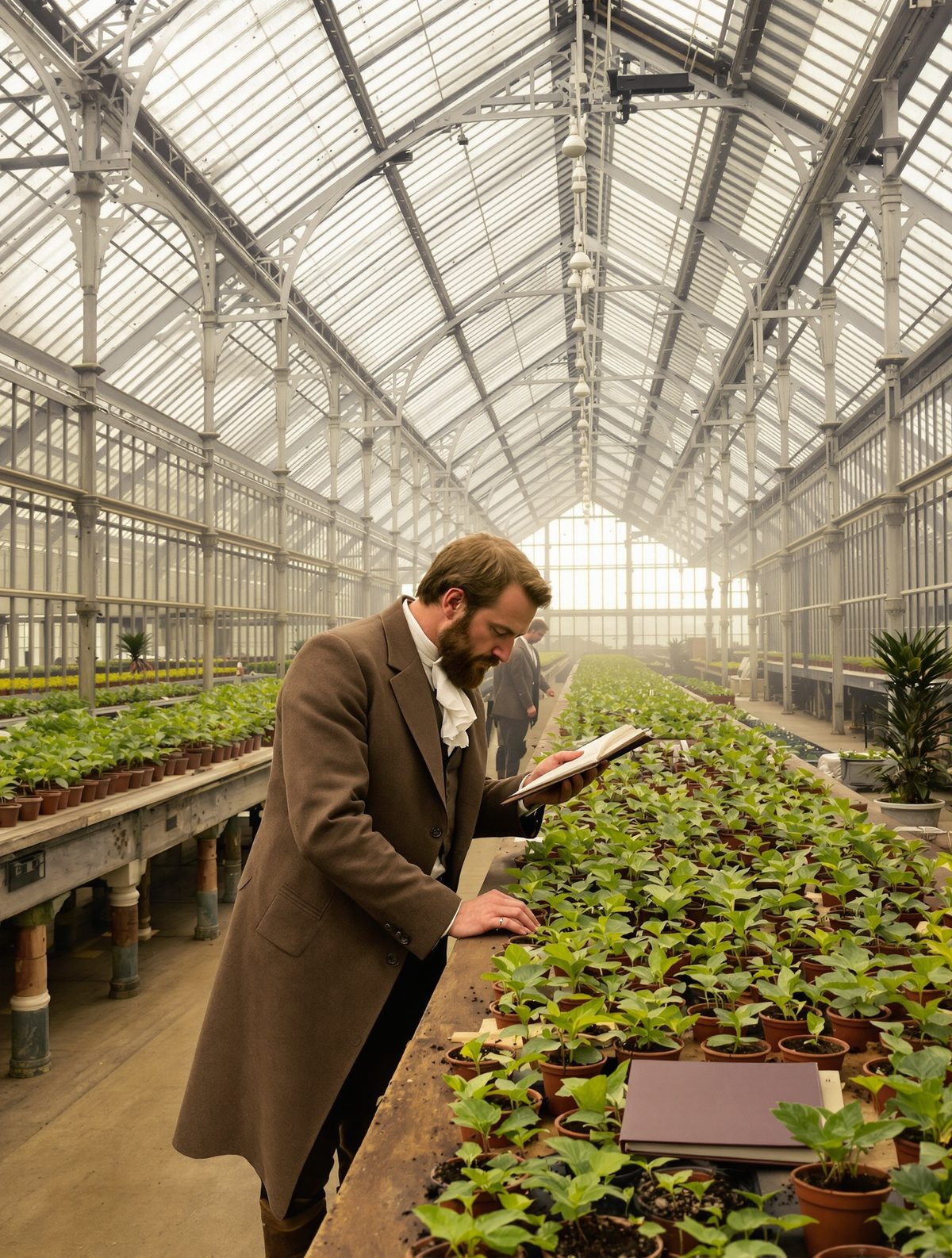
Arriving at Kew, the seeds were meticulously germinated under the watchful eyes of botanists. By the stroke of fortune—or perhaps the adept hands overseeing their growth—over 2,000 seedlings progressed fitfully into young hevea trees. These thriving specimens were destined for Britain's far-reaching colonial territories, including Sri Lanka, Malaysia, and Africa, transforming these regions into world leaders in rubber production by the early 20th century.
This alternative supply effectively broke Brazil's monopoly, a shift that echoed through geopolitics and commerce. The quality and quantity of rubber from Kew-backed plantations outstripped the Amazon’s, fostering new economic opportunities that thrived under European governance.
Why It Matters Today: The Legacy of a Botanical Heist
The story of how Kew Gardens saved the world's rubber supply is more than an audacious tale of espionage. It represents a critical juncture where human ingenuity overcame natural monopoly—fueling not only an industrial boom but also an economic re-balancing that remains pertinent as we grapple with resource ownership and sustainability today.
In no small measure, Wickham's operation paved the way for the rubber-infused realities of our modern conveniences and necessities. Our bikes, cars, and countless household items owe a nod to a handful of seeds smuggled over a century and a half ago. More profoundly, Wickham and Kew Gardens demarcated a lesson resonant through time: that in our relentless drive for advancement, the wisdom of stewarding nature artfully can yield resonant triumphs without parody.
In every turn of a wheel or the press of a rubber switch, Wickham’s legacy endures—a testament to daring endeavor meeting serene ingenuity. As we traverse this planet’s intricacies, it is the interplay of vision and courage that defines legacies so grand, yet so humbly rooted in nature.