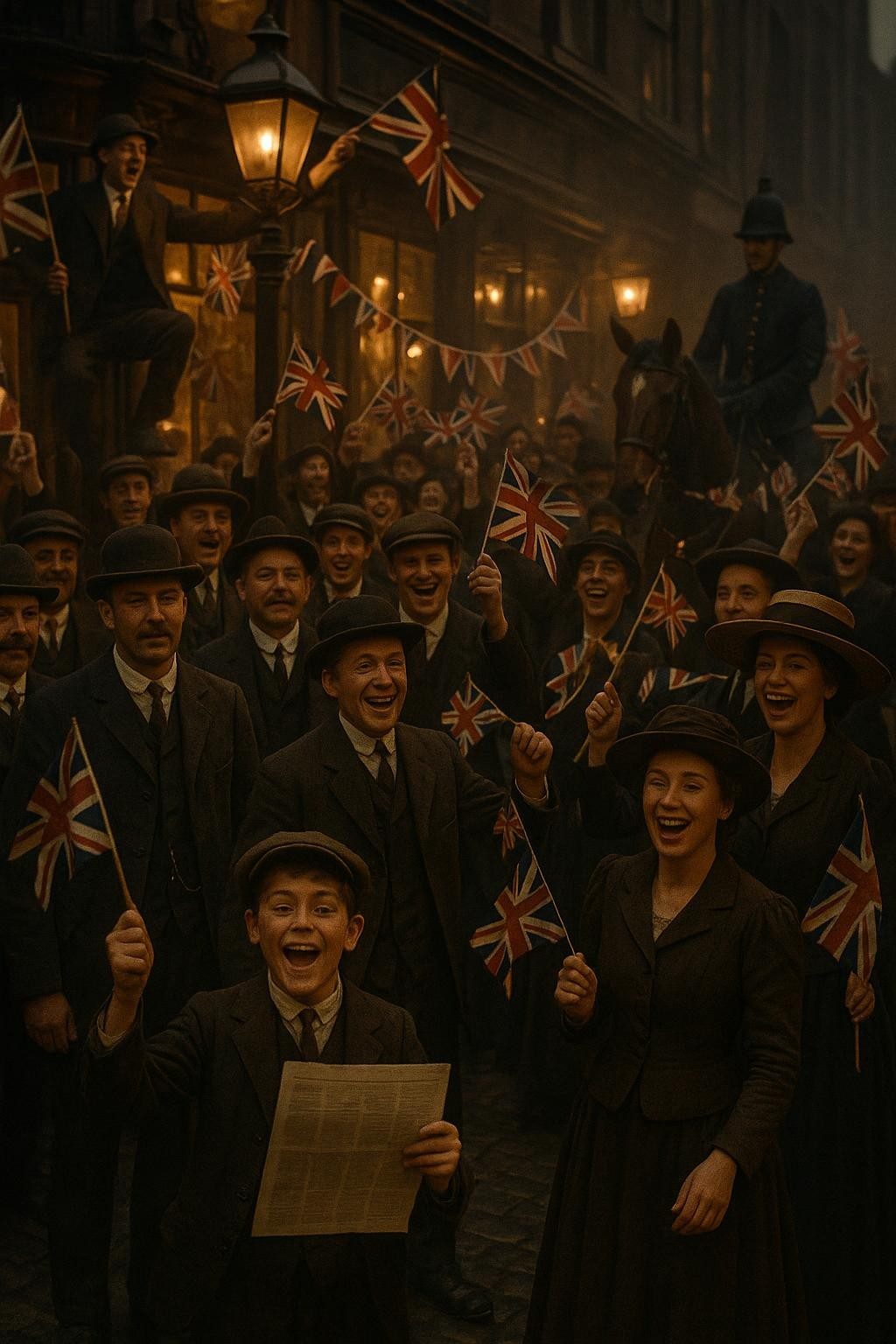
The air in London was electric as the clamor of jubilant voices surged through the streets like a living current. Confetti and streamers unfurled from high windows, cascading onto the heads of throngs surging below. "Mafeking has been relieved!" they shouted, the words carrying a jubilant charge akin to the burst of an unholy firework. With each proclamation, the sound echoed through alleyways and across plazas, drawing ever more people into a frenzy of celebration, the likes of which the city had not witnessed in decades. It was 17 May 1900, and news of Mafeking's relief from a prolonged Boer siege had arrived from half a world away, igniting a pandemonium of relief and patriotism that stretched every inch from London Bridge to Piccadilly Circus.
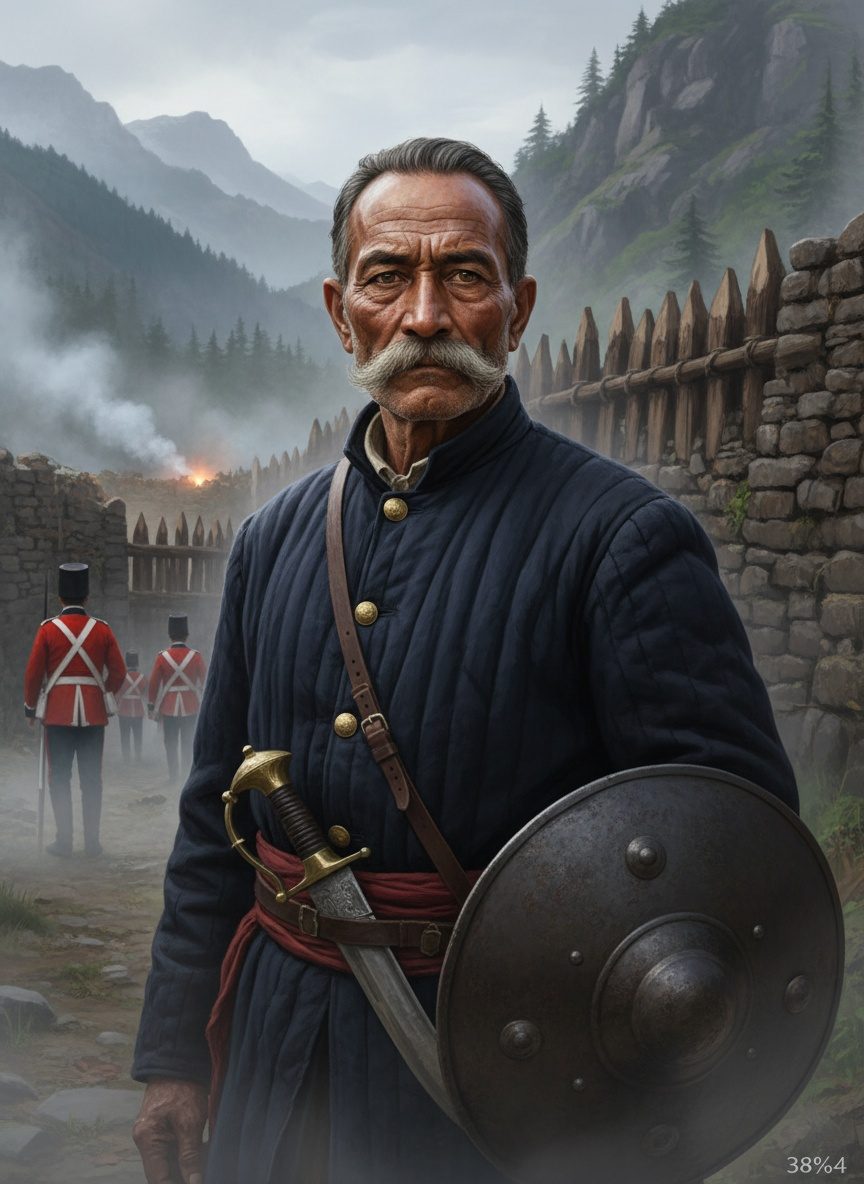
This eruption of exuberance was not just about the lifting of a siege; it was a moment when endurance and ingenuity triumphed against overwhelming odds. For 217 gruelling days, Colonel Robert Baden-Powell had held Mafeking, a dusty South African town, with a garrison force dwarfed by its Boer aggressors. This was no ordinary defense. It was a testament to resourcefulness, where every soldier was stretched to become not just a fighter but an innovator. Under Baden-Powell's leadership, rations were eked out with ingenious parsimony, and morale was bolstered by theatrics as much as military strategy. The colonel used humor and deception as strategic tools, once fooling Boer forces by constructing fake landmines from biscuit tins. Such resourcefulness was mirrored in the indomitable spirit of the townsfolk who became co-conspirators in their survival story.
To understand the magnitude of London’s reaction, one must picture the delicate tinderbox that was British society at the turn of the century. The Boer War in South Africa, stretching on seemingly without end, had pushed nerves to the edge. Every telegram read like a roll call of British empire prowess, yet the victory that seemed assured had bogged down into a slogging match across the veldt. The Boers, a community of Dutch-descended settlers, fought with an obstinacy and cunning that belied their smaller numbers. Caught within this struggle was Mafeking, where Baden-Powell's men held out, clutching their isolation as a badge of honor and endurance.
News from the front during the siege was a mixture of small victories and hardships, delivered sporadically to London via the crackling telegraph wires. The logistics spoke volumes without words: how each surviving message that reached Britain promised hope but also exacerbated fears. Each delay was a lifetime for citizens and a testing ground of patience for military planners. Yet, as often with such prolonged suspense, the eventual message that unveiled Mafeking’s relief delivered more than a victory—it unleashed a wave of pent-up emotion. Parliamentarians, often gripped in the politicking of empire, found themselves embracing constituents with whom they had perhaps only shared oppositional views. It was, beyond a military triumph, a social unifier.
As daylight faded into the maudlin glow of gas lamps, London's night sparkled with its breed of jubilation. Couples twirled in impromptu dances, their feet keeping time not to a tangible tune, but to the hymn of unity born from triumph. Pubs, bursting at the seams, were scenes of laughter and cheer as strangers shared cigars and shouts of "Baden-Powell" were raised high as toasts, in few places more heartily than at the local veterans’ clubs. Meanwhile, newspapers printed in bombastic headlines chronicled tales of heroism and inventiveness, sometimes swiftly selling out to the ravenous curiosity of the populace.
Yet beneath the ecstasy of relief lay the more complex undercurrents of empire, power, and identity. For Britons, Mafeking symbolized more than just a victory. It was a reinforcement of the ideal—of British resilience, wit, and moral superiority, whether real or contrived. The concept of "Mafeking Night," as it became known, went beyond a single event: it laid bare the anxieties and aspirations of a society riding the tectonic shifts of modernity and colonial challenge. These celebrations, while immensely joyous, also served as reflective surfaces upon which the empire saw both its triumphs and reflections of its fragility.
In the fine dust filtering through Mafeking’s streets, where Baden-Powell’s strategies held against the odds, lay lessons for both war and peace. From this action in the Transvaal would eventually rise the seeds of the Boy Scouts Movement, inspired by the Colonel’s belief in preparedness and moral upbringing. Amidst the embers of a distant siege, a new zeal in fostering tomorrow’s youth would be fostered—a echo of the spirited resilience that had kept Mafeking from falling. Baden-Powell had carved not just a military success, but, unknowingly, a foundational ethos for generations to come.
Thus, as dawn lit the streets of London following a night of revelry seldom matched for passion or spontaneity, the news of Mafeking’s survival remained a living narrative of endurance against the tide. The episode reminds us of how the echoes of faraway drums can uncoil the distance separating people from one another and from their historical shadows. The lesson persists, enshrined in memory and imagination—a testament to the enduring human spirit and the complicated love of a nation for its stories, told and untold. Through the extraordinary happenings of that May day, we see the threads of history not merely as distant emblems, but as the fabric of human identity, woven yet again into the ineffable tapestry of what it means to endure and succeed.