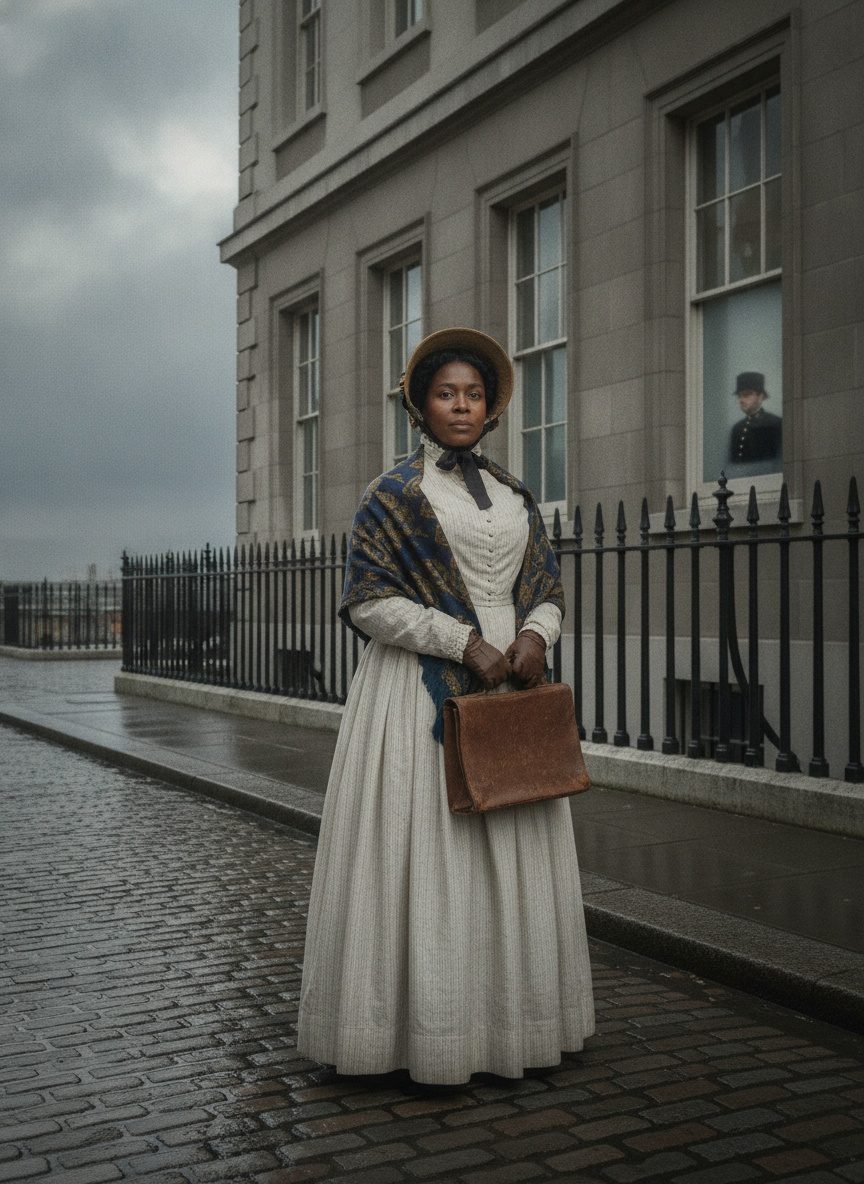
The streets of London were a bustling chaos in the aftermath of the Crimean War, choked with the chill of the misty air and the dense fog that seemed to hang perpetually over the city. The clamor of carriage wheels on cobblestones mixed with the bark of market vendors and the distant, mournful toll of a bell from a church tower cutting through the haze. In an office not far from Westminster, the fate of a remarkable woman lay in contentious debate, stirring the murmur of protest among those who walked these very streets — a scandal was brewing that would force a nation to confront its conscience.
The Woman Left Behind
Mary Seacole was no ordinary citizen. Born in Kingston, Jamaica, around the early 19th century, she carried with her the vibrant blend of African Caribbean heritage and Scottish lineage. Her life was marked by voyages far and wide, yet the murmurs of triumph were often silenced by the deaf restraint of prejudice. During the Crimean War, Seacole sought to serve as a nurse under Florence Nightingale. Her repeated attempts to join the nursing corps met with rejection — her applications were returned, her face met with indifferent gazes, and her spirit challenged but unbroken. Springing from this, she resolved to march to the frontlines of history on her own terms.
Undeterred, she funded her own passage to Crimea, displaying a tenacity few could rival. At a time when the comfort of watching parades and reading war stories satisfied others, she built the British Hotel within range of enemy fire, a peculiarly comforting oasis in the desolate landscape of battle. Here, Seacole provided rest, sustenance, and medical care to those cast aside by war. For the soldiers who found solace within her walls, she became a symbol of compassion and resilience.
A Fortress of Resolve
Seacole's British Hotel was unlike any other resting place amidst the wreckage of war. Imagine the Crimea of those days: a stage set with shallow trenches, sodden and starkly silent until broken by the roar of cannon fire and the cries of the wounded. Here, in this crucible of conflict, Mary Seacole constructed her bastion of humanity. The hotel itself, rustically constructed with whatever materials could be gathered, became an unyielding testament to her fortitude.
In blistering cold and searing sun alike, she prepared medicinal remedies and hearty meals with equal dedication. The air hung heavy with the scent of homemade stews and the sharp tang of antiseptics, a paradox in the hellish surroundings. Soldiers — weary, wounded, and war-torn — found the warmth of Seacole’s hospitality restorative. Her laughter, warm and unfeigned, filled the spaces between artillery thuds, bravely challenging the very chaos that rattled the earth beneath their feet.
A Scandal Back Home
Yet her return to England was not to be the triumphant homecoming one might have expected. Though the Crimean War raised titans of courage and valor, it also left in its wake a tide of financial ruin for Mary Seacole. The little money she had was spent on her selfless endeavors, leaving her penniless, adrift in a city where her extraordinary feats resided largely unsung in the annals of war.
The British public, however, had not forgotten their "Mother Seacole." A growing chorus of voices, from soldiers she had nursed back to health to prominent society figures, rose in clamor and indignation. England, so eager to celebrate its war heroes, was now confronted with an uncomfortable truth. A woman who had been denied military recognition had still made unparalleled contributions to the cause, and now, she stood on the brink of destitution. Public fundraisers and benefits, notably championed by veterans and royalty alike, were organized to ameliorate her plight.
The Verdict of a Nation
In the court of public opinion, Mary Seacole's story became both an inspiring and cautionary tale. The streets of London bore witness to a debate that reached beyond geographical bounds, touching the very essence of justice and recognition. As war stories were recited in smoky taverns and grand parlors, the question lingered: what did Britain owe the woman it had refused time and again?
Seacole's legacy continues to flicker, a beacon of defiance against the currents of historical omission. Her story compels us to ask fundamental questions about the narratives we honor and the individuals we choose to elevate in our histories. In Mary Seacole, we find not just a tale of a woman who dared to defy convention, but a challenge to the narratives that shape our understanding of heroism and humanity's boundless reach.