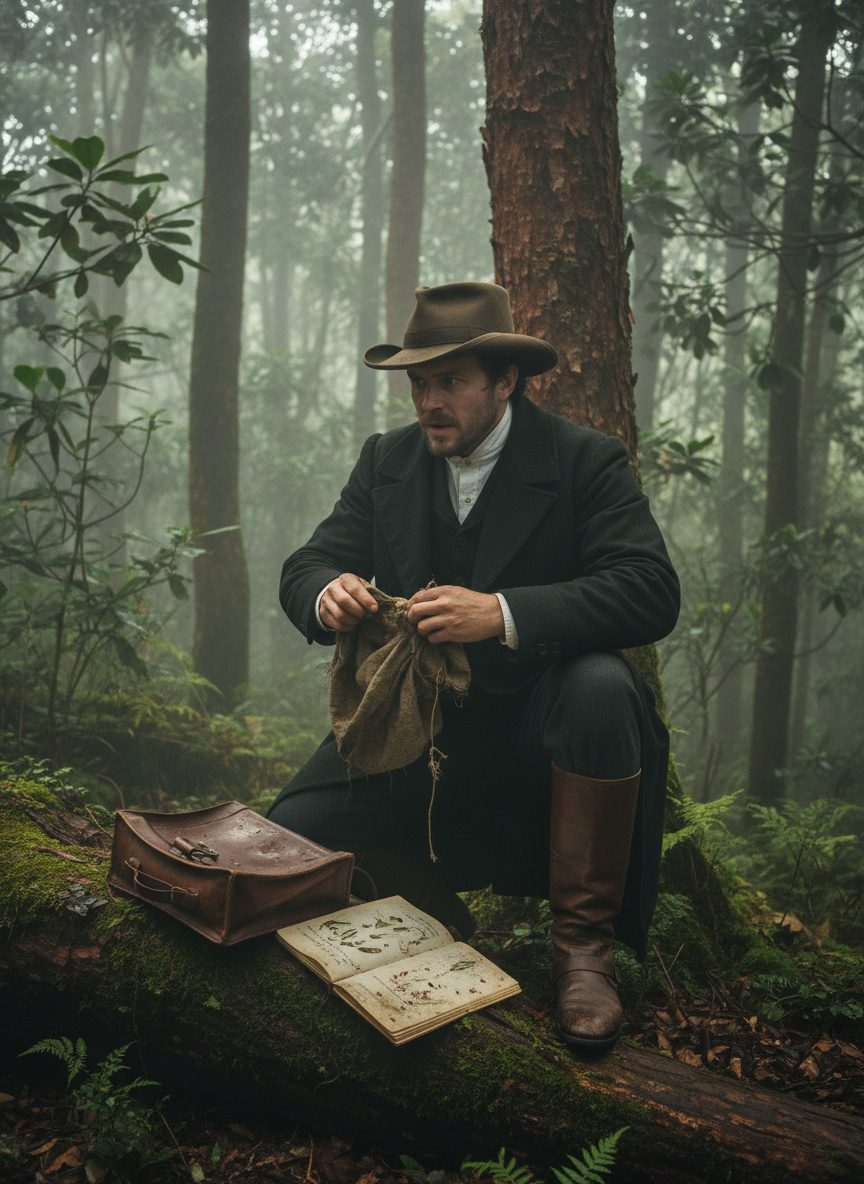
The steep Andean trail was slick with rain when Clements Markham maneuvered himself around a boulder, his heart pounding in rhythm with the pulse of the jungle. The sound of his footsteps squelching in the wet earth echoed as he pushed deeper into the Peruvian wilderness, scanning the trees for any movement. This was no ordinary expedition. He was carrying a treasure more valuable than gold; a tiny promise of life hidden within the depths of his satchel—cinchona seeds that might hold the key to saving millions from the grip of malaria.
The Ailment that Plagued an Empire
In the mid-19th century, the British Empire faced a formidable adversary beyond its dominions: malaria. The disease ran rampant through the camps and settlements of India, claiming the lives of thousands of soldiers and civilians alike. A single weapon existed against this invisible enemy—quinine, a compound painstakingly extracted from the bark of the cinchona tree found only high in the Andes. Yet, the source of salvation was fiercely guarded by the governments of Peru and adjacent territories, jealously protecting their control over the valuable trees.
The reliance on this South American resource placed Britain and, by extension, its strategic interests on precarious grounds. Securing an independent supply was not merely a matter of convenience; it was a dire necessity. An audacious idea began to take root, and with it, the seeds of Markham's daring journey into history.
A Man with a Mission
Clements Markham was not a botanist by trade; he was a geographer with a penchant for expeditions and exploration. His career had taken him across continents, but none of his previous voyages carried the weight of this mission. In 1860, equipped with little more than an iron resolve and a diplomat's discreet charm, he embarked on a voyage that would lead him to the heart of a clandestine operation.
Tasked by the British India Office, Markham's goal was simple in description yet monumental in execution: to gather enough seeds and saplings of the cinchona tree to establish a substantial plantation in India. Success would not only circumvent South American monopolies but save countless lives—a burden that hung like the mist clinging to the Andean slopes.
Into the Heart of Darkness
The journey to Guzmán Blanco's Peru was fraught with challenges that tested Markham's resolve and ingenuity. Navigating the treacherous Andean geography was just the beginning. Each step could bring company in the form of keen-eyed Peruvian guards, working under orders to preserve their nation's monopoly on cinchona. Markham interacted with locals, leveraging language and guile, carefully treading the line between diplomacy and espionage.
As he traversed humid lowlands and ascended into frigid highlands, where oxygen was as scarce as trust, each moment took on an existential weight. The cinchona forests were both a secret and a beacon, cloaked under the canopy and hidden within the tales of highland peoples and their elusive knowledge of the land.
The Secret Harvest
At the peak of clandestine operation, Markham ventured into the depths of the forests where the cinchona trees thrived. The air was dense with the scent of moss and earth, alive with the hum of insects and the distant whisper of cascading water. Under the cover of night—and often under the nose of local authorities—Markham and his small team began the meticulous work of gathering seeds and saplings.
In an era without the benefit of modern technology or rapid transportation, each seed was a fragile promise, vulnerable to the whims of nature and the precariousness of circumstance. Markham's true genius lay not only in obtaining them but in ensuring their survival for the arduous journey back. Countless such ventures had failed before reaching the sea, seeds perishing long before their arrival on distant shores.
His knowledge of geography proved invaluable, guiding the route over land and safe haven across the Pacific, following wind charts and secrecy as his only compass.
Planting Destiny
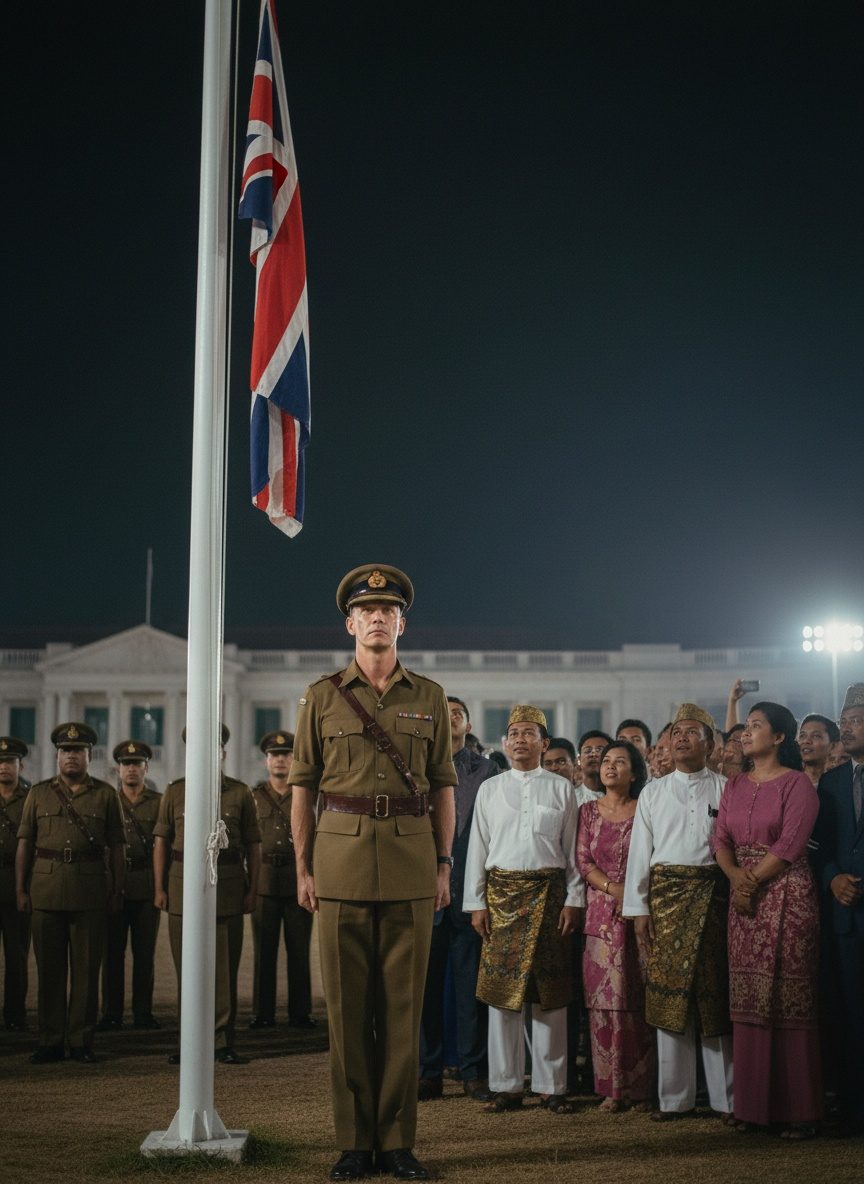
When Markham finally set foot on Indian soil, he brought with him not just seeds, but a vision of health and civilization thriving in the tropics. The seeds, once planted, would grow into trees that could be harvested for quinine, breaking the shackles of dependency on Peruvian exports and opening a new chapter in combatting malaria.
The quiet streets of the Hill Stations soon echoed with life, as plantations emerged, transforming these settlements into thriving centers of horticultural ingenuity. This transplantation heralded a new era where science and ambition worked in tandem to tame the wilderness and save humanity from one of nature's cruellest afflictions.
Clements Markham's legacy is more than the triumph of a mission; it is etched into the annals of history as a victory of resilience over adversity and strategy over chance. In what seemed an insurmountable challenge, his determination and cunning delivered a fate-changing bounty to an empire teetering on malarial fears.
As Markham reflected on his journey—a solitary figure beneath the setting sun of the Indian subcontinent, perhaps—he reminded us how boundaries are there not only to be drawn but to be overcome, for the greater good. His actions reverberate through history, echoing the perpetual human struggle between dominion and disease, where one man's audacity saved millions.