September 1553. The chilling wind bit sharper as sails strained against leaden skies.
The Frozen Abyss of the North
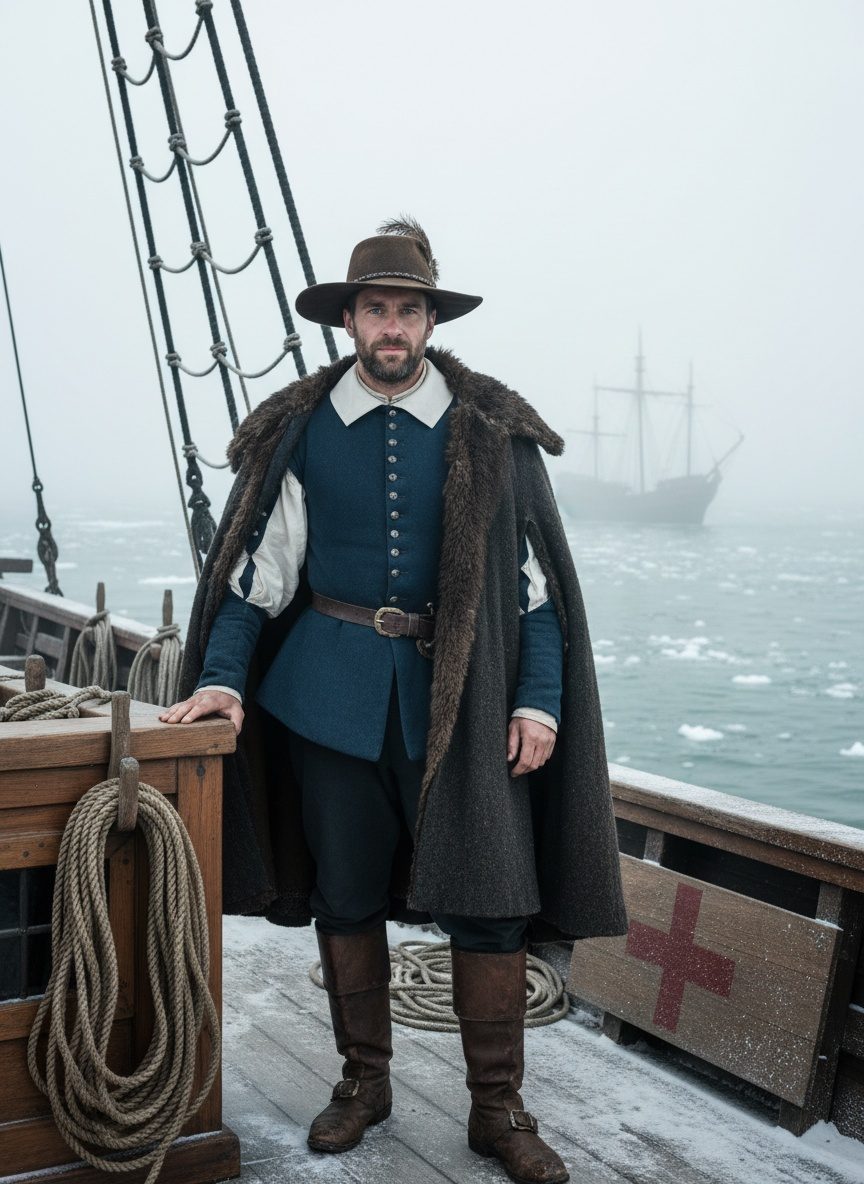
The year 1553 marks a daring venture into the unknown, as England, under the turbulent rule of King Edward VI, sought new paths of prosperity. Motivated by the lure of trade and untapped opportunities, three ships — led by Hugh Willoughby and Richard Chancellor — set sail with a daring mission to explore the frigid waters of the Arctic north. This small fleet, comprised of the Edward Bonaventure, the Bonny Mary, and the Phantom, was bound by the hope of unlocking a northern route to China. The stakes were high, and the consequences unforeseen.
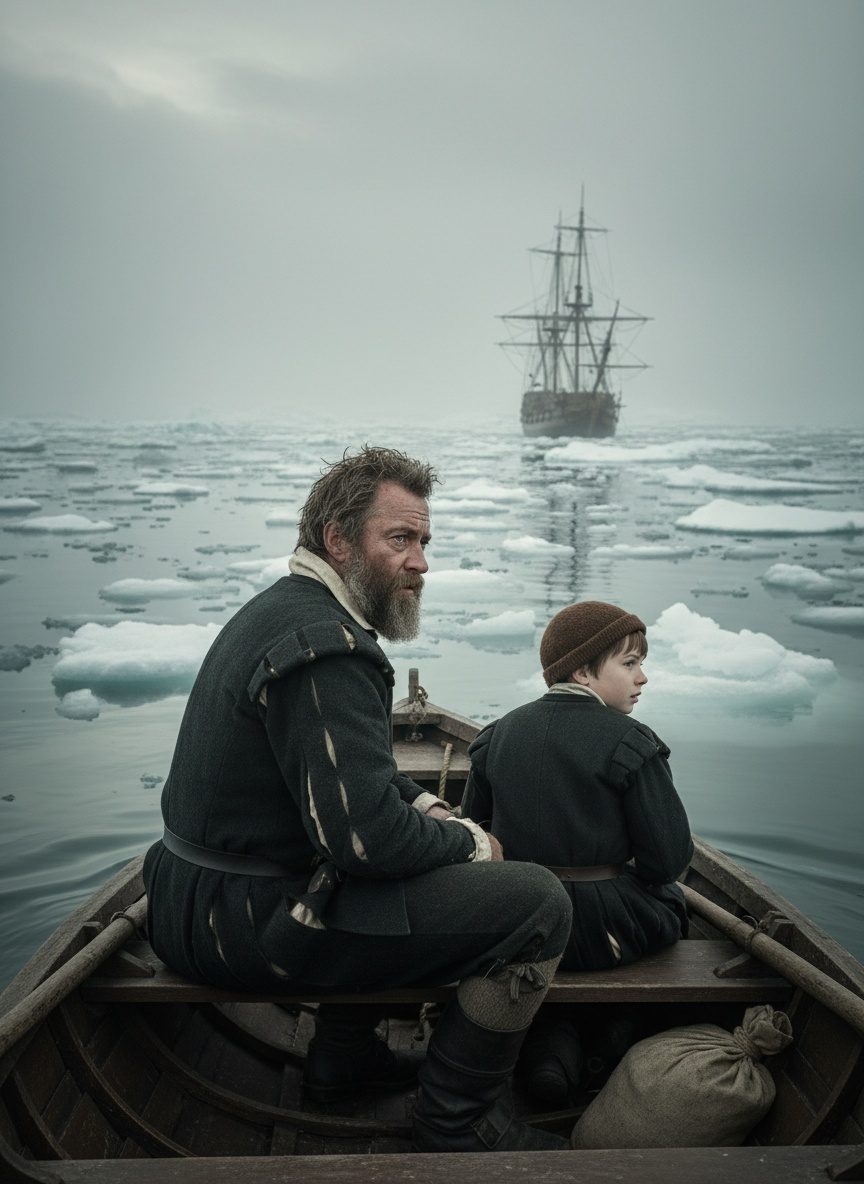
As the ships pushed further north, they found themselves ensnared by the icy grip of the unforgiving Arctic. Hugh Willoughby, commanding the Bonny Mary, found his expedition thwarted by forces beyond his mastery. Freezing temperatures and relentless ice floes trapped his ships, turning them into frozen tombs. When the lifeless forms of Willoughby and his crew were discovered by a Finnish fisherman months later, their grim fate echoed the ruthless perils of the northern seas.
Determined Against All Odds
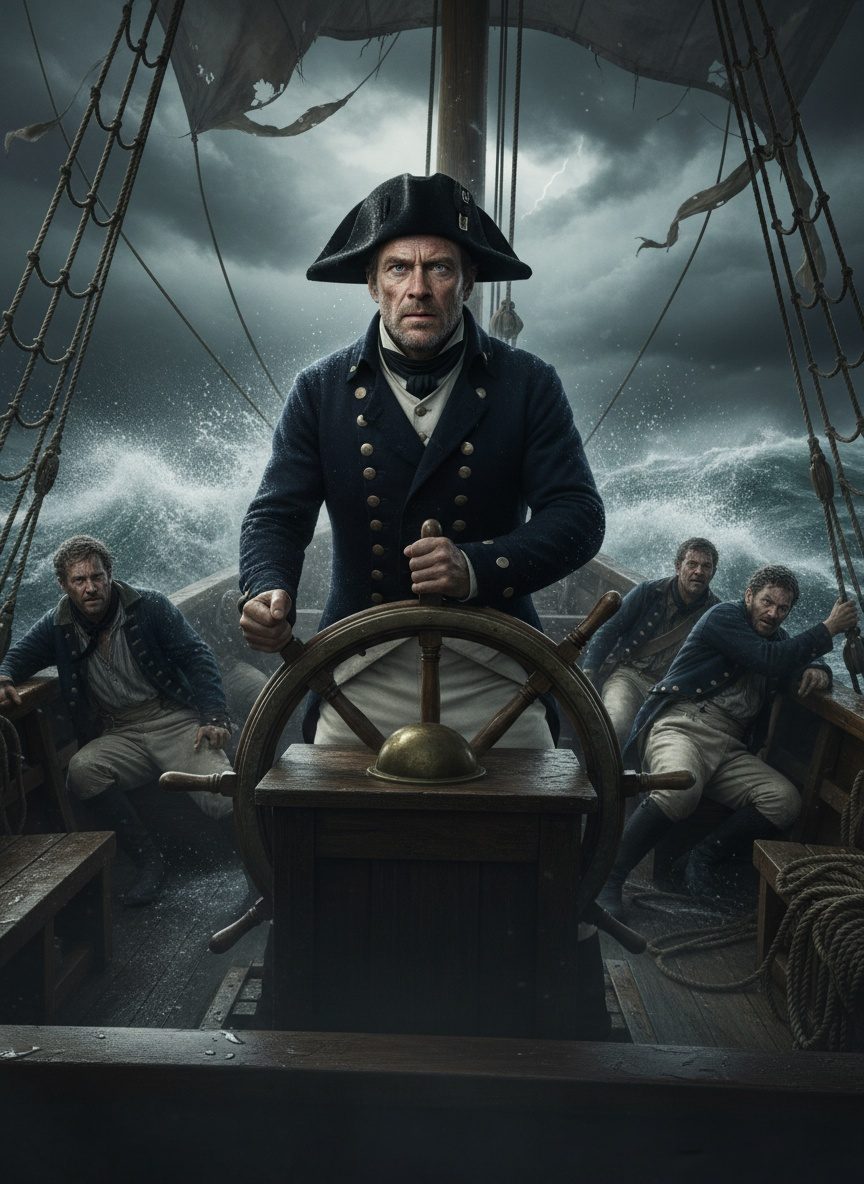
In the face of such tragedy, Richard Chancellor aboard the Edward Bonaventure faced an unthinkable choice: to retreat in defeat or press forward into uncharted waters. Chancellor, driven by an unyielding resolve, chose the latter — a decision that would etch his name into the annals of history. Braving the icy seas, Chancellor and his stalwart crew plunged deeper into the north, guided only by the slimmest glimmers of hope and the stars above.
His ship sliced through the frigid waters, each wave a testament to the endurance and bravery of those aboard. Finally, after days that stretched into eternity, a vast and alien land unfolded before them. The dizzying spires and rugged coastlines of the Russian territory emerged from the mists, an unexpected haven for a crew on the brink.
An Encounter with the Tsar
Chancellor’s audacious arrival in Russia did not go unnoticed. News of the Englishman's voyage reached the ears of Tsar Ivan IV, a figure shrouded in fear and power, later known to history as Ivan the Terrible. Chancellor, bearing the weight of England’s hopes on his weary shoulders, was summoned to the Tsar’s court. This audience with Ivan was fraught with tension, a juxtaposition of exotic cultures and entwined destinies.
In the opulent halls of the Tsar’s palace, where splendor lay uneasily next to pervasive dread, Chancellor stood before Ivan — a monarch seen as both a visionary and a tyrant. The Englishman’s directness and sincerity caught the Tsar’s attention, paving the way for dialogues that transcended language and culture. Intrigued by Chancellor’s mission, Ivan saw an opportunity for his empire. In Chancellor, he found a portal to England, a key to the wider world that lay beyond his grasp.
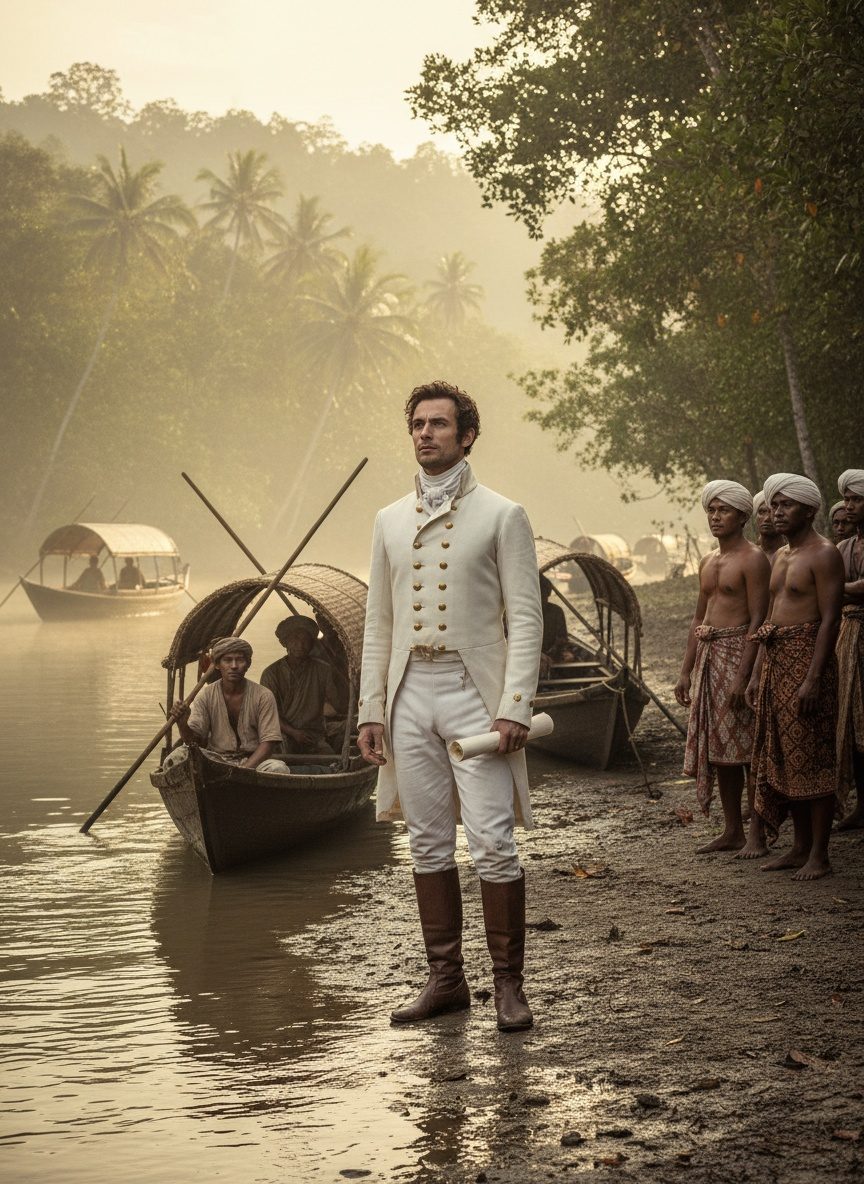
This unprecedented meeting between two disparate worlds sowed the seeds of what would become a thriving trade relationship. The Muscovy Company sprang from these roots, a commercial enterprise destined to alter the course of English trade and expansion.
The Return Voyage and a Changing Empire
Chancellor’s return to England was a triumph tempered by loss. He carried with him treaties and accords that opened a new and promising chapter in Anglo-Russian relations. As news of his successful venture spread across England, it invigorated a nation hungry for growth. The groundwork was laid for an empire not merely sanctioned by martial conquests but woven through the sinews of trade and diplomacy.
Yet, the journey’s bittersweet edge could not be ignored. The stark absence of Willoughby and his crew was a somber reminder of the expedition’s harsh cost. The frozen remnants of the Phantom and Bonny Mary remained in the ice, a chilling memorial to the victims of ambition and nature’s indifference.
Chancellor’s navigation through these treacherous waters and his encounter with Ivan the Terrible serve not just as an audacious tale of exploration and survival but as a pivotal moment in the expansion of English influence. This venture marked the dawn of a new kind of empire-building, one that relied as much on the art of negotiation and the pursuit of mutual interests as on the traditional spoils of conquest.
In a world often changed by the bold few, Richard Chancellor stands among those who altered the landscape of history. By defying the frozen jaws of the north and meeting with empires foreign and strange, he opened paths that reached beyond the horizon, shaping the destiny of nations. Such stories remind us that the heart of empire is found not just in power or riches, but in the courage to sail into the unknown, daring to defy the forces that seek to bind us.