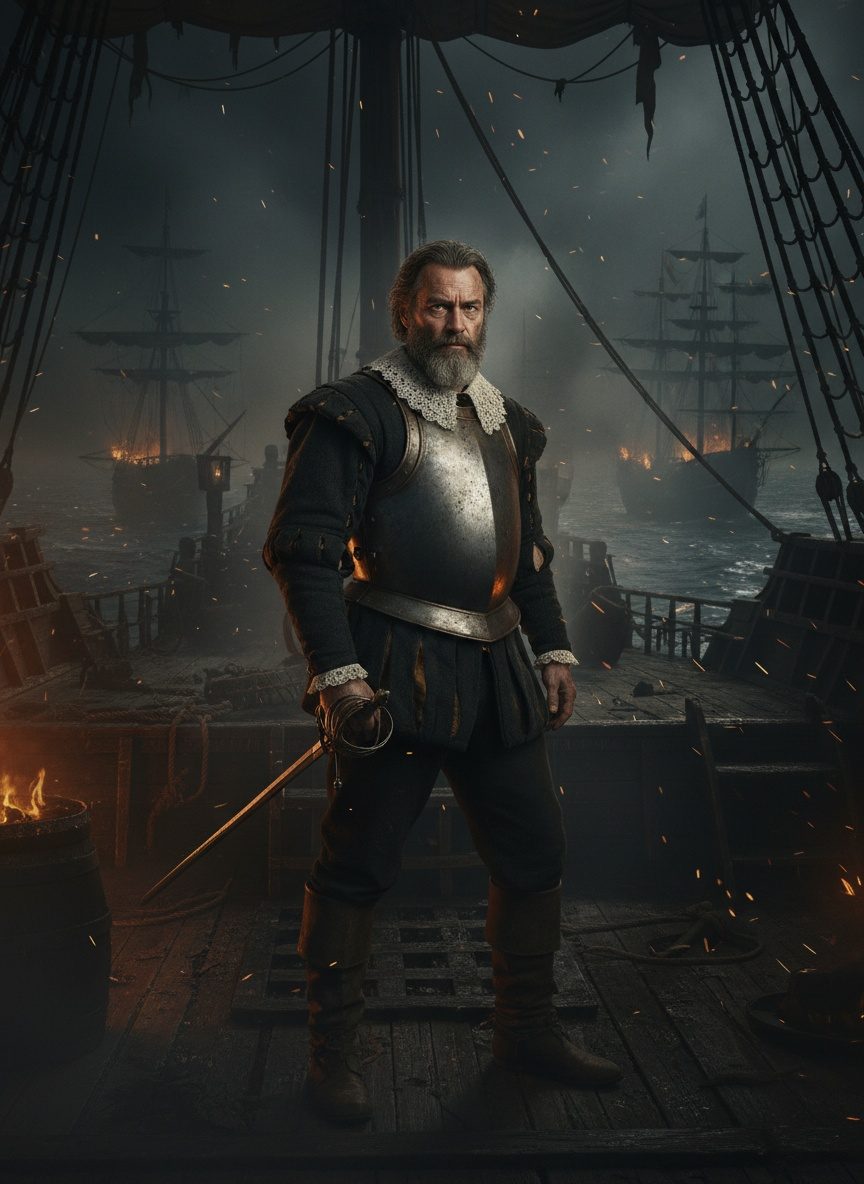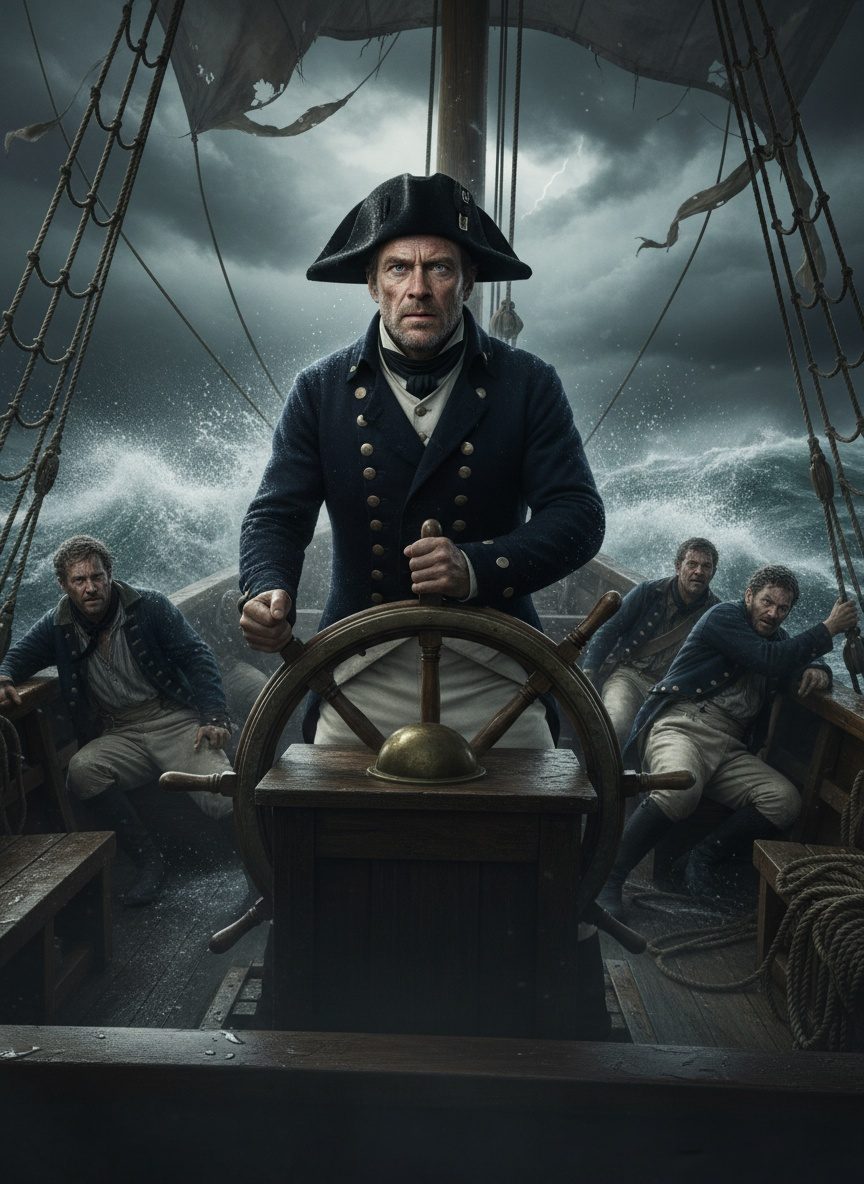
He was just a lieutenant with a schooner carrying only two guns. Yet, on that treacherous October night in 1805, Lieutenant John Lapenotiere found himself at the helm of a monumental task, his resolve as indomitable as the vessel he sailed.
As the Atlantic roared with autumn tempests, Lapenotiere steered the diminutive HMS Pickle away from the battle-torn waters of Cape Trafalgar. The sea, an icy expanse fringed with peril, was a mere backdrop to the colossal news strapped to this wooden craft: the British Royal Navy had won a decisive victory over the combined fleets of France and Spain, but at the tragic cost of Admiral Lord Nelson's life. The outcome of the Battle of Trafalgar would alter the course of the Napoleonic Wars, tipping the scales in favor of British naval dominance. Yet, the realization of this triumph lay not in the hands of generals or statesmen, but rather in those of a steadfast lieutenant tasked with bearing the pivotal message home—as swiftly as wind and wave could carry him.
The Pickle, a nimble two-masted schooner, seemed an unlikely candidate for such a crucial mission. She wasn't designed for battle, boasting only two guns, a far cry from the formidable ships-of-the-line engaged at Trafalgar. But her speed and agility on the seas made the Pickle the perfect courier. Chosen for her ability to skirt danger swiftly and efficiently, she embodied the spirit of the mission: swift, strategic, and undeterred by adversity.
Lapenotiere and his crew embarked upon their daunting journey from the Iberian Peninsula's tumultuous waters on the evening of October 26, 1805. The skies loomed dark, a foreboding shroud promising the relentless onslaught of autumn gales that would whip the ocean into a frenzy. As the Pickle plunged through the swelling waves and driving rains, her captain's mind was singularly focused on the weighty importance of his cargo—news that, once delivered, would resonate throughout the annals of British history.
The journey to England was fraught with challenges. The Atlantic, notorious for its capricious nature, tested both man and vessel. Lapenotiere was a man accustomed to adversity, yet the stinging sea spray and howling winds demanded endurance beyond the physical. It was psychological resilience that proved most vital. As each wave crashed against the Pickle’s bow, Lapenotiere spurred his crew onward, their tenacity unwavering under his command. The cold Atlantic nights seemed endless, marked by the rhythmic creaking of timber and the ever-present lurch of the schooner battling through the storm-induced swells under a sky punctuated by fleeting glimpses of stars.
After nine grueling days at sea, Lapenotiere sighted the Lizard Cape on November 4, 1805. The ragged silhouette of the Cornish coast stood as a testament to their tenacity and became a beacon of hope. The Pickle’s journey was nearing its culmination, but Lapenotiere’s odyssey was far from complete. Every minute counted; the pressing urgency to deliver Trafalgar's news left no room for comfort or rest.
Once ashore at Falmouth, he needed to reach the seat of British naval power—the Admiralty in London. Lapenotiere undertook an overland dash, commandeering post horses at regular intervals, propelling him forward with relentless determination, each station marking a step closer to his ultimate goal. Through the rolling countryside and heaving metropolises, he pushed on, rations supplemented by prayers that his hasty journey would be enough to beat Napoleon's looming shadow across Europe.
Finally, at midnight on November 6, Lapenotiere burst through the doors of the Admiralty. Exhausted but resolute, he delivered both elation and sorrow: "Sir, we have won a great victory. But we have lost Lord Nelson." His simple, poignant declaration would echo across the nation and down through history, capturing the hearts of a triumphant yet grieving Britain.
Lord Nelson's loss dampened the celebration of Trafalgar's victory, a bittersweet narrative bestowed by Lapenotiere's long and arduous ride. Yet, this triumph ensured Britain's mastery over the seas, preventing Napoleon's forces from challenging the island nation on its own doorstep. The hastily scrawled messages delivered by a single man shifted the strategic balance of Europe, reaffirming the power of communication—rapid, decisive, and well-timed. For Lapenotiere, the mission was not merely a meeting of duty but a personal communion with history, where he held the fate of an empire brief and fragile within his grasp.
The legend of Lieutenant Lapenotiere and HMS Pickle's daring voyage reminds us of the understated yet profound roles played by individuals in the great theatre of history. It captures a moment when the wind-driven sails of a humble schooner and the unwavering resolve of its captain brought a nation to the cusp of a new era. In our modern world, dominated by instantaneous communication, it is easy to overlook the formidable bravery and endurance once required to accomplish what today might seem simple. Lapenotiere's remarkable journey offers a poignant reminder: even in the greatest choruses of heroism, the voice of one, steadfast and true, can echo across the tides of time.