September 12, 1897. The dust of the North-West Frontier whispered across the parched land as the sun climbed higher.
A Day Like No Other
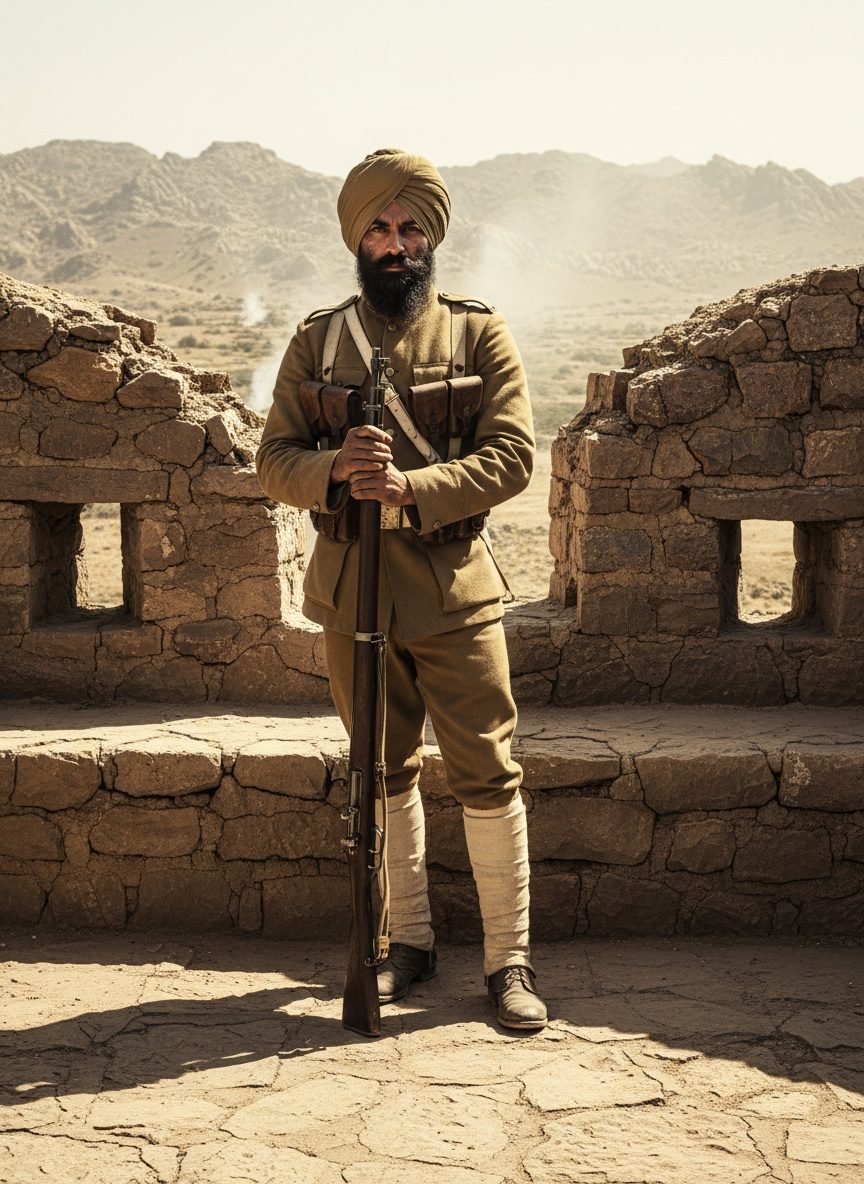
The signal post of Saragarhi, nestled between Fort Lockhart and Fort Gulistan, was manned by twenty-one soldiers of the 36th Sikh Regiment of the British Indian Army. On this fateful day, the air was thick with anticipation and the unyielding heat of the Indian sun. The strategic location of Saragarhi, though seemingly innocuous, was in fact a linchpin in maintaining communication between these two formidable British outposts deep within the untamed Afridi tribal territory. The soldiers knew this day was different. No smoke curls in the morning air. No distant sounds of the frontier's vibrant morning routines. Instead, the stirring of impending conflict settled like a second skin upon them.
The Encirclement
From the hills, the Afridi tribesmen advanced — a robust force swelling towards ten thousand strong. Renowned for their fierce independence and resistance against colonial encroachment, the Afridis, alongside the Orakzai tribes, had resolved to sever this slender lifeline between the British forts. Watching the tumultuous tide of humanity surge from the ridges, the Sikhs saw no hope of reinforcements. The warriors of the Afridi tribes moved like a sea of storm clouds, a formidable testament to tribal valor and a dread to colonial authorities.
As the sun rose higher, their intentions crystallized. It was to be a siege. Yet Saragarhi needed to be held. Isolation from the external world left the British dependent on the wireless messages dispatched by the valiant Sikhs. Their pluck and resolve sustained them as they prepared to defy the multitudinous foe.
The Citadel of Courage
Locked within the wooden barricades of Saragarhi, the twenty-one ordinary men transformed into legends. Their resolve, much like tempered steel, echoed with the bravery that girded the great warriors in their moments of destiny. Hindu beliefs tell of a fate written — but this fate... this fate would be molded by valor.
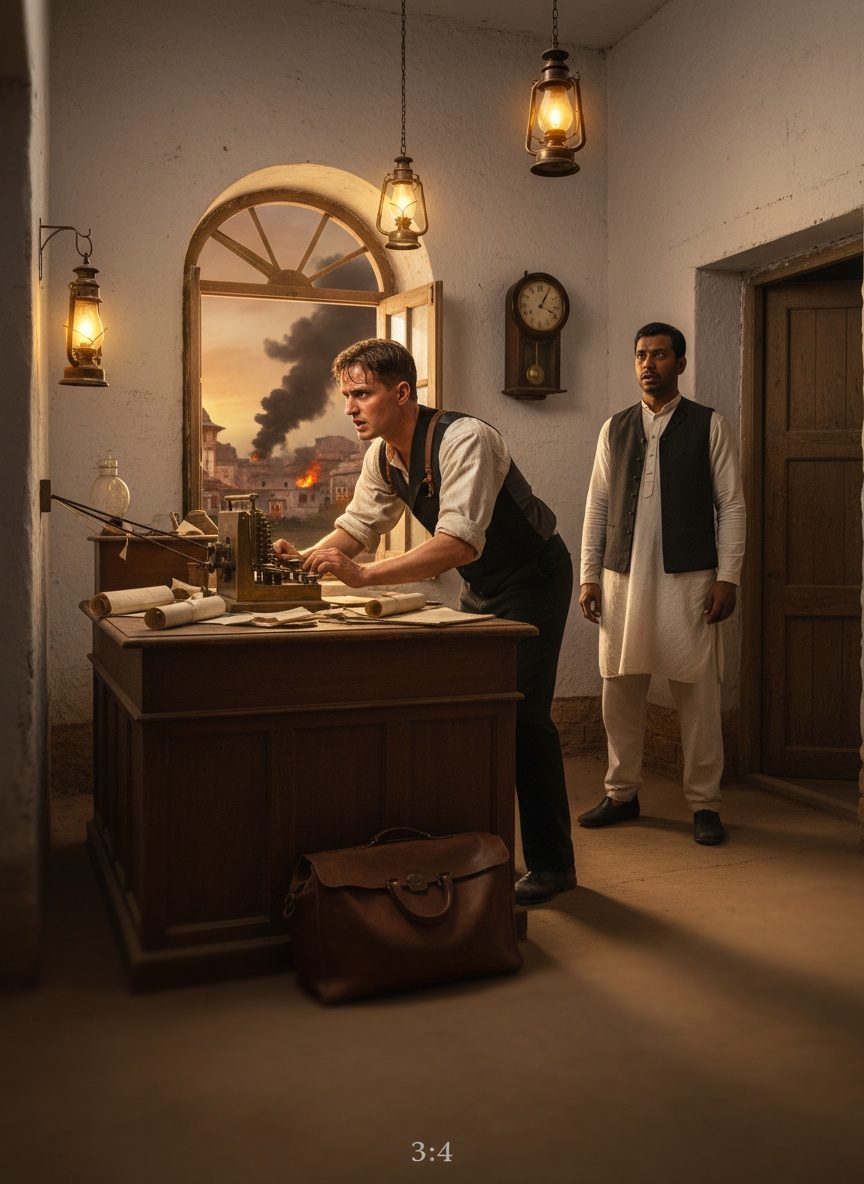
Hour after hour, they fought. Against the din of musketry and the clarion calls of tribal horns, these men handled not their swords as relics, but as conduits of survival. The first message sent to Fort Lockhart, a cry of fierceness unrivaled; it held: *"We are being attacked by thousands! Must hold our ground!"* The signal exchanged between Saragarhi and the forts was more than a breath in the wilderness — it was a roar of defiance acknowledging impending doom. As the attack intensified, each separated heartbeat of soldier and ground alike synchronized to a rhythm of resistance.
As the defenders' numbers dwindled, the cohesion among the men did not. They held fast through waves of tribesmen, refusing to relinquish their honor even as the sun dipped lower, casting long shadows on the ground — the ethereal herald of their final stand. Bombarded and beaten, each fallen comrade's place was taken by another, a chess game of butchered pieces, yet aflame with the brilliance of undying fervor.
An Eternal Legacy
In the aftermath of battle, Saragarhi fell silent in the face of overwhelming numbers, yet resonated loudly through the corridors of history. All who held the fort fell, but none surrendered. The enormity of their sacrifice reverberated across the oceans to the chambers of the British Parliament, which stood in tribute to their unyielding courage. Within this iron linkage of honor, Saragarhi became not a post, but a memorial. It entered the heroic hymns sung by generations of Sikhs, a tale of commitment immortalized on tablet and tome alike.
Today, their courage thrives in shadows and sunbeams that dance upon the North-West Frontier. This story encompasses paths few dare tread — where single acts of audacity speak to the power inherent in unity and the willingness to sacrifice all. The past does not wane; rather, it frames the specter of valor and the ripples of sacrifice that linger on ancient soil. For us who remain, Saragarhi offers a profound reminder. Here, the might of a heart's conviction echoed louder than the gunfire that sought to silence it.