Khartoum fell silently, tragically. But the echoes of its fall thundered through the corridors of power far beyond the sands of Sudan.
The Siege of Khartoum: A Test of Endurance
In the sun-scorched city of Khartoum, the year 1885 dawned bleak and bone-dry. For 317 days, General Charles Gordon, often remembered as "Gordon of Khartoum," held a fragile grip on the city against the relentless advance of the Mahdi's forces. With limited resources and a dwindling garrison, he had transformed Khartoum into a bastion of resistance amid the desert wilderness. Surrounded on all sides, Gordon maintained his post not out of stubborn pride, but from an unwavering commitment to the Sudanese people he had vowed to protect.
Gordon's situation was dire. His small force was outnumbered, the water levels of the Nile low, and food supplies dangerously sparse. Yet, he defied despair, famously declaring with characteristic resolve, "I am not a person to take refuge with women and children; I remain here alone at my post." To his soldiers and the city's inhabitants, Gordon was not just their leader but their beacon of hope. His staunch defiance was a moral bulwark as much as a military one.
A Desperate Race Against Time
Driven by appeals for assistance and the growing public outcry in Britain, a relief column was eventually dispatched toward Sudan. It was a decision plagued by procrastination and political wrangling back in London. Led by General Wolseley, the column's progress was painstakingly slow, mired by the logistical complexities and daunting terrain of the Nile.
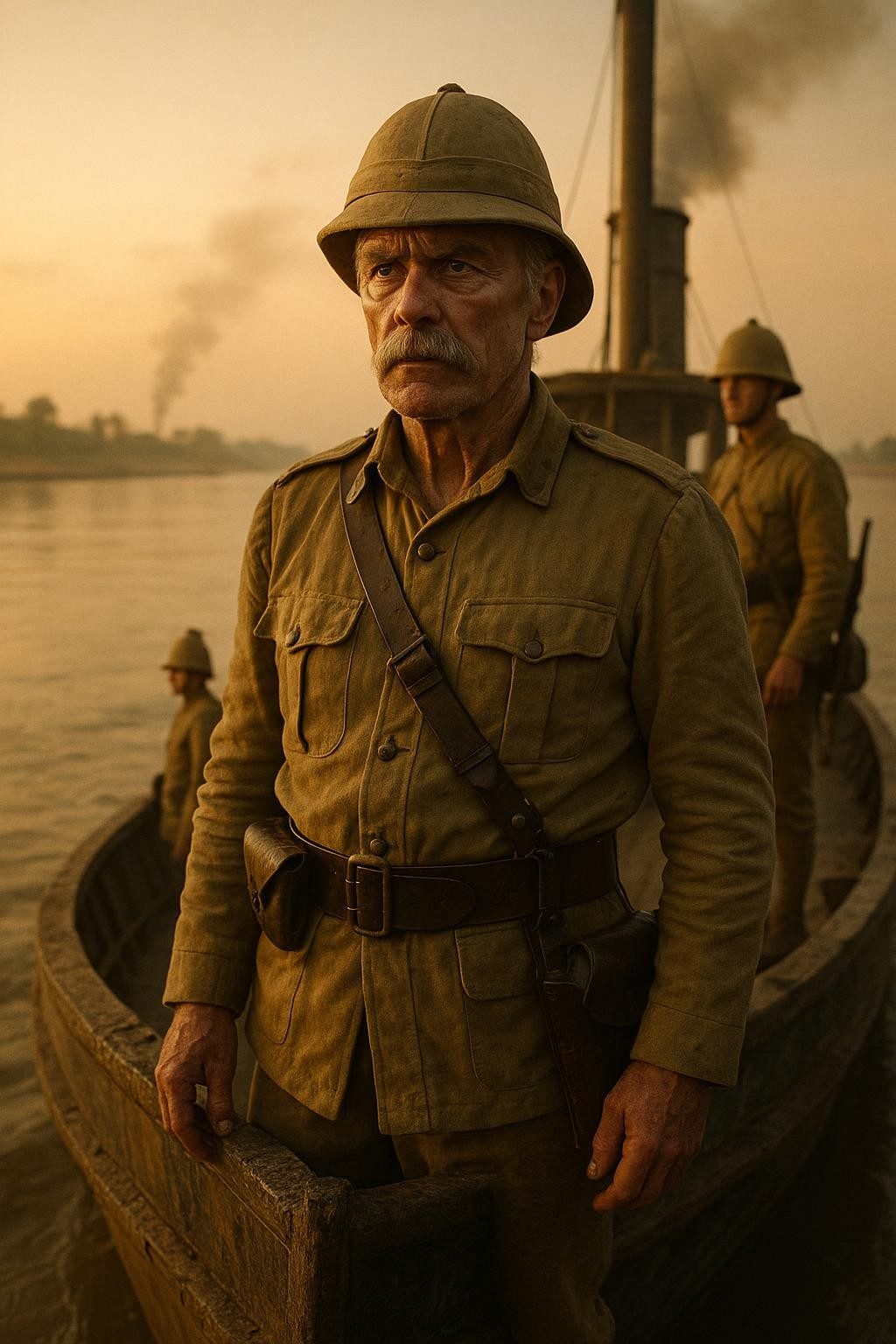
News of the advancing relief effort brought fleeting optimism to Khartoum, yet time was Gordon's enemy. By the end of January, hope was thinning faster than the provisions. Then, in a desperate bid to dash across history's stage, a single officer set out to cover the final leg of the journey with a critical message: help was on the way. This daring officer rode tirelessly through the night, driven by the desperate urgency to reach Gordon — but ultimately, the clock outran his courage. When he arrived, Khartoum had already succumbed to the inevitable two days prior. General Gordon was dead, having fallen with the sunrise, holding the loyalty of the city's surviving defenders to the somber end.
The Man Left Behind
For Gordon, the sand had run out while his heart remained unyielded. Despite the oppressive heat and constant danger, he had groomed Khartoum’s defenses with the military prowess that had earned him recognition from the furthest reaches of the Empire. Known for his previous successes in China during the Taiping Rebellion, Gordon had both charisma and a sense of righteousness that commanded reverence and inspired his men.
Yet, in the end, despite his legendary standing, he was but a solitary figure against a tidal wave of Mahdist forces. Reports tell of a vision of Gordon facing his fate with Aristotelian calm, standing tall and unbowed. The image and the unflinching stoicism became mythic, echoing with a tragic nobility that has perpetuated through tales of the Empire's faded grandeur.
Why Khartoum Mattered
The fall of Khartoum was more than the demise of a lone city; it was a catalyst that resonated through British imperial policy. The stinging loss prompted significant analysis and reflection within the corridors of influence. How could an Empire of such might allow one of its greatest sons to falter unsupported? The question hung heavily over British politics, becoming an emblem for the government's reluctance to act swiftly, highlighting the ongoing tension between colonial ambitions and humanitarian obligations.
The Mahdi's uprising would carry on, but the world stage had gained a new audience, watching every move of the Empire’s expansion into Africa, sharpening the scrutiny of its ethical compass. The fall of Khartoum became a touchstone for debates over imperial responsibility and the cost of hubris.
Lessons from a Bygone Battle
Historians have often reflected on whether the outcome at Khartoum could have been altered had the relief arrived sooner, had the signals been clearer, or if the political machinations had not caused delays. The tale of that night ride, the final effort of an intrepid officer, serves as a haunting reminder of the fragility of plans in the face of time's relentless advance.
Today, the story of Khartoum and General Gordon serves as a compelling narrative of dedication and tragedy, swollen with the complexities of human conflict. It invites us to consider the costs of decisions made far from the frontiers they affect, and to weigh the responsibilities of those who hold power over distance and lives. As empires former and present reflect on their legacies, perhaps it's the tales like Khartoum, those left on the margins of textbooks, that offer the deepest lessons.