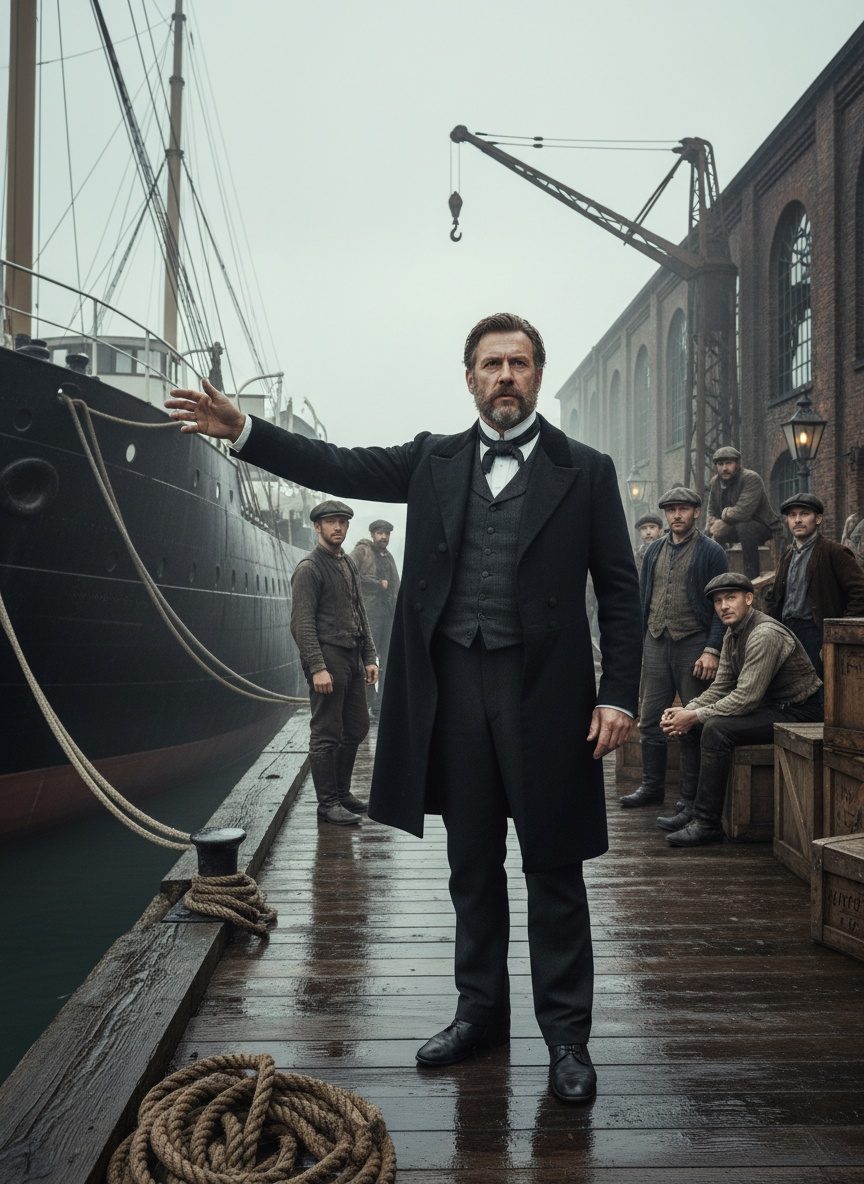
Picture this: a solitary ship, the Edward Bonaventure, battered and straying through icy waters beyond the reach of any compass needle in 1553. Onboard, Richard Chancellor, a Tudor navigator with steel blue eyes and an unyielding spirit, stood on the deck, peering into the Arctic mist. The plan was to find a northeast passage to China, a passage no European had claimed. But fate had a different destination — a realm cloaked in mystery and ruled by a tsar known as Ivan the Terrible. Chancellor’s unexpected arrival at the fringes of Russia would alter the course of England’s imperial destiny.
The Quest for a New Passage
England, still a burgeoning power, yearned for the riches in silks and spices promised by the East. The year 1553 saw the launch of an extraordinary venture led by the ambitious Sir Hugh Willoughby alongside navigator Richard Chancellor. The expedition set sail from Greenwich under the patronage of King Edward VI, before the shadow of his death crossed the sky. It was an era of exploration, and England refused to be left in the wake of Spain and Portugal.
As Chancellor and Willoughby sailed, the North Sea winds sang songs of glory, but storms soon twisted their path. Chancellor’s ship, separated from the fleet, cut through chilling waters to reach a place unmarked on English maps — the coast of modern-day Arkhangelsk in Arctic Russia.
A Land Few Had Seen
Upon disembarking, Chancellor found himself in a land that seemed forged by legends. Forests of white birch stood silent sentinels against the frost-bitten horizon. The locals, startled at the sight of Englishmen, knew they had to alert their sovereign — Ivan IV, later known as Ivan the Terrible. Think of it: these bewildered villagers were the first Russians to meet an Englishman, not soldiers or royals, but common folk awe-struck by strangers from the sea.
With little choice, Chancellor accepted an invitation that seemed as daunting as it was intriguing: an audience with Tsar Ivan. The journey to Moscow wasn't merely a passage through land; it was a voyage into the heart of an empire where East and West converged.
Into the Tsar's Court
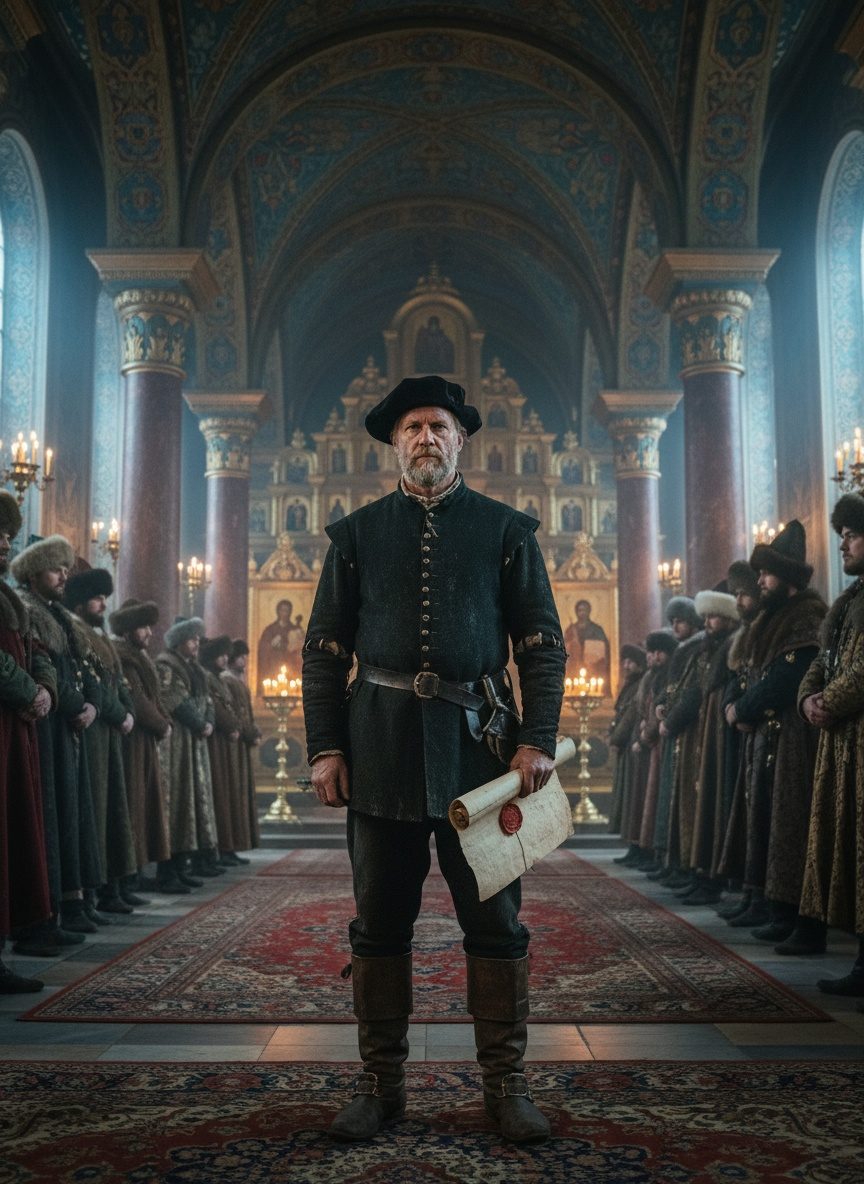
The journey to the Kremlin was no trivial task. Chancellor traversed over 1,500 miles through the unyielding Russian landscape, a test of endurance that mirrored the hardships faced by his crew back home who waited anxiously for his return. Arriving in Moscow, Chancellor entered the labyrinthine halls of the Kremlin, eager yet cautious — a foreigner in a world where words could weave alliances or spin traps.
Ivan IV, infamous for his temper and visionary for his time, must have been a formidable presence. Tall and commanding, with piercing eyes that held kingdoms at bay and courtiers in thrall. Yet Chancellor's calm articulation of trade possibilities and England's mutual vision of wealth won the day. A treaty was struck, and the English were granted unprecedented trade access, laying the foundation for what would eventually become the Muscovy Company.
A Company and a Turning Point
The formation of the Muscovy Company in 1555, England's first joint-stock company, was a masterstroke that rose from this bold encounter. It was a commercial network, threading English merchants through the Russian heartlands and into exotic markets. Chancellor’s journey spawned not just trade but a cultural exchange — England offered cloth and metals, while Russian furs and wax enriched English coffers.
Perhaps one of the most underappreciated achievements of Chancellor's diplomacy was the emboldening of the idea that England could chart its own courses, unfettered by Spanish and Portuguese maritime dominance. This marked a pivotal point in England's approach, expanding its scope of influence which would echo down through the centuries as the British Empire unfurled.
Legacy of Exploration
Richard Chancellor’s expedition echoes with the audacity inherent in the exploration era. Despite the harshness of fate’s hand that claimed Willoughby and much of his crew in the frozen clutches of Lapland, Chancellor's story is one of triumph over adversities of nature and circumstances.
Though Chancellor tragically lost his life on a subsequent voyage in 1556 when his ship wrecked off the Scottish coast, his legacy lived on in the veins of the Muscovy Company, which would become a prototype for future global exploitation and expansion efforts by English merchants.
Why it Matters Today
In a world where global networks are ever tangible, the tale of Richard Chancellor is a reminder of the human spirit’s unyielding quest to connect. Today, England continues to be a dynamic node in global networks, a position owed in part to the roots established in Tudor times. Chancellor’s venture into Ivan the Terrible’s court was not merely about trade but about paving pathways across cultural chasms.
As we navigate modern challenges, both diplomatic and commercial, let Richard Chancellor's resolve inspire us. The willingness to venture beyond the edge of the known world, to find commonality amidst vast differences, and to transform separation into partnership should resonate as knowledge not merely for history books but as tools for today's world.