Most people can’t name the leader of the first English expedition to Russia. His journey shaped the course of history forever.
The Arctic's Icy Grasp
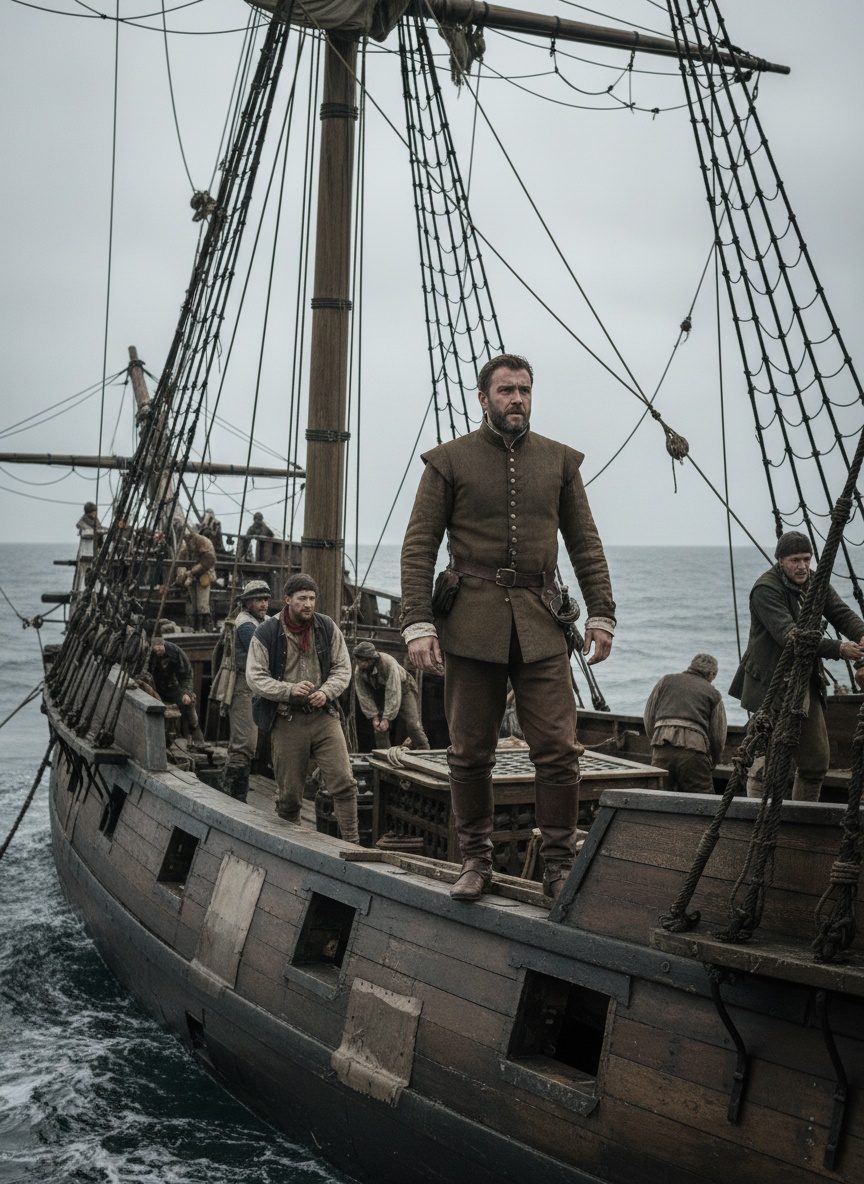
In the year 1553, under the reign of Mary I, three ships embarked from the shores of England on a venture cloaked in mystery and ambition. They sought the mythical Northern Sea Route to China, a passage to bring trade wealth untold to Tudor England. But the Northwest Passage was not the forgiving pathway they might have hoped for. As they ventured deeper into the uncharted Arctic waters, the unforgiving ice claimed its toll. Two of the vessels fell silent, ensnared in the merciless grip of the ice, their fate sealed in frozen desolation. They, along with their crews, were lost to the world.
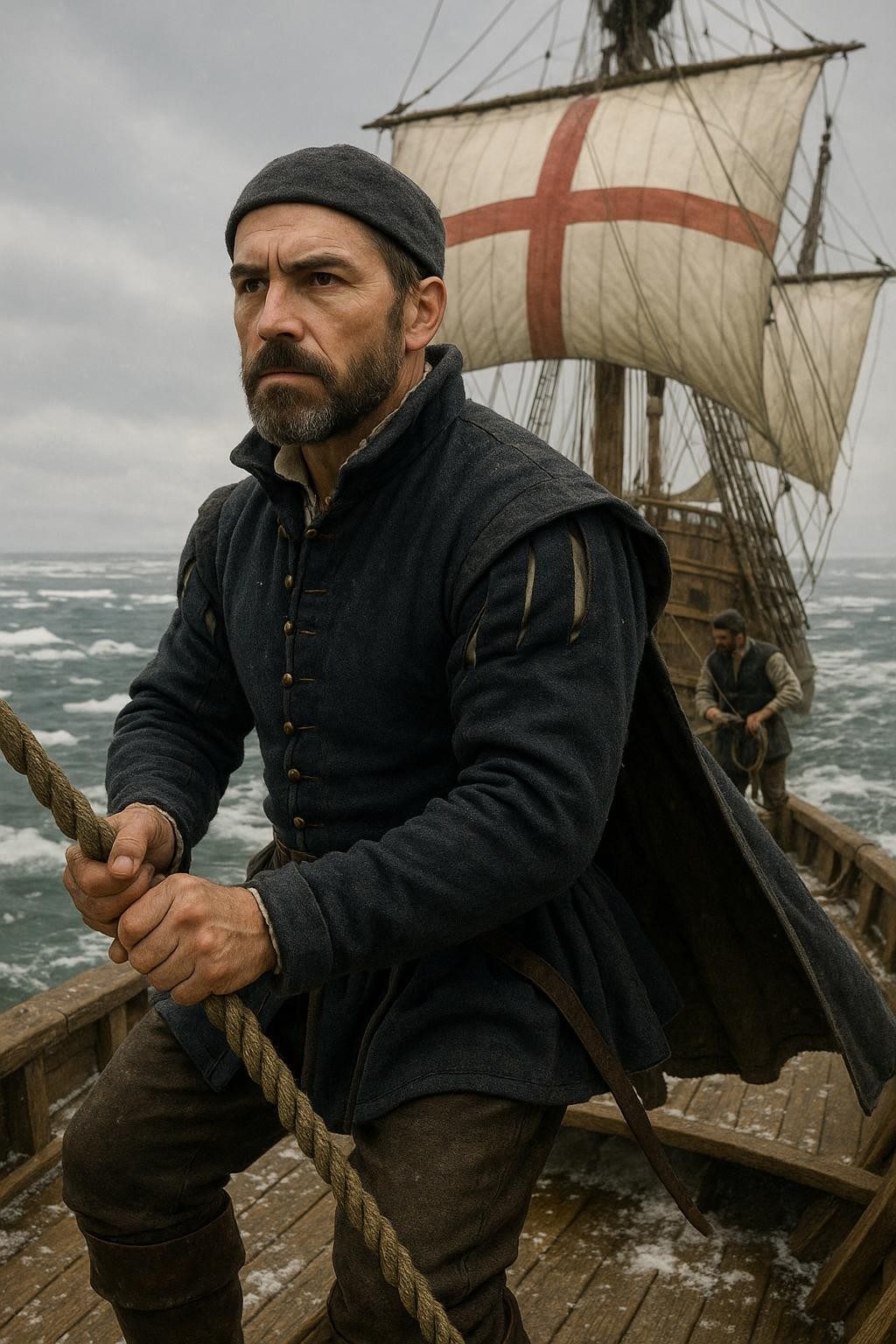
Yet amidst this despair, one ship, Edward Bonaventure, pressed onward, its captain Richard Chancellor steering through the frost-laden sea haze. Chancellor, undeterred by the icy adversary that had consumed his companions, held firm a single vision—to uncover new horizons and foster a vital link between England and the wealth of Asia. His journey was audacious, fueled by raw determination and the potent allure of the unknown.
This expedition sailed under the auspices of the Muscovy Company, England's first major joint-stock company. Founded by the pioneering minds of the time, the enterprise saw vast potential in unlocking trade routes that would strengthen England's economic power. Chancellor, with his heart set on discovery, dared to chart a world few had ventured, particularly across the frozen barriers of the Arctic.
An Unlikely Encounter with the Tsar
After navigating the perilous icebound route, Chancellor and his remaining crew found themselves anchored in an alien bay fringed with a daunting coolness. This bay was a gateway not to China, but to Russia—a realm few in England had ever imagined. Here, Chancellor, once a seafarer shunned by ice and storm, saw a new world unfurl before him.
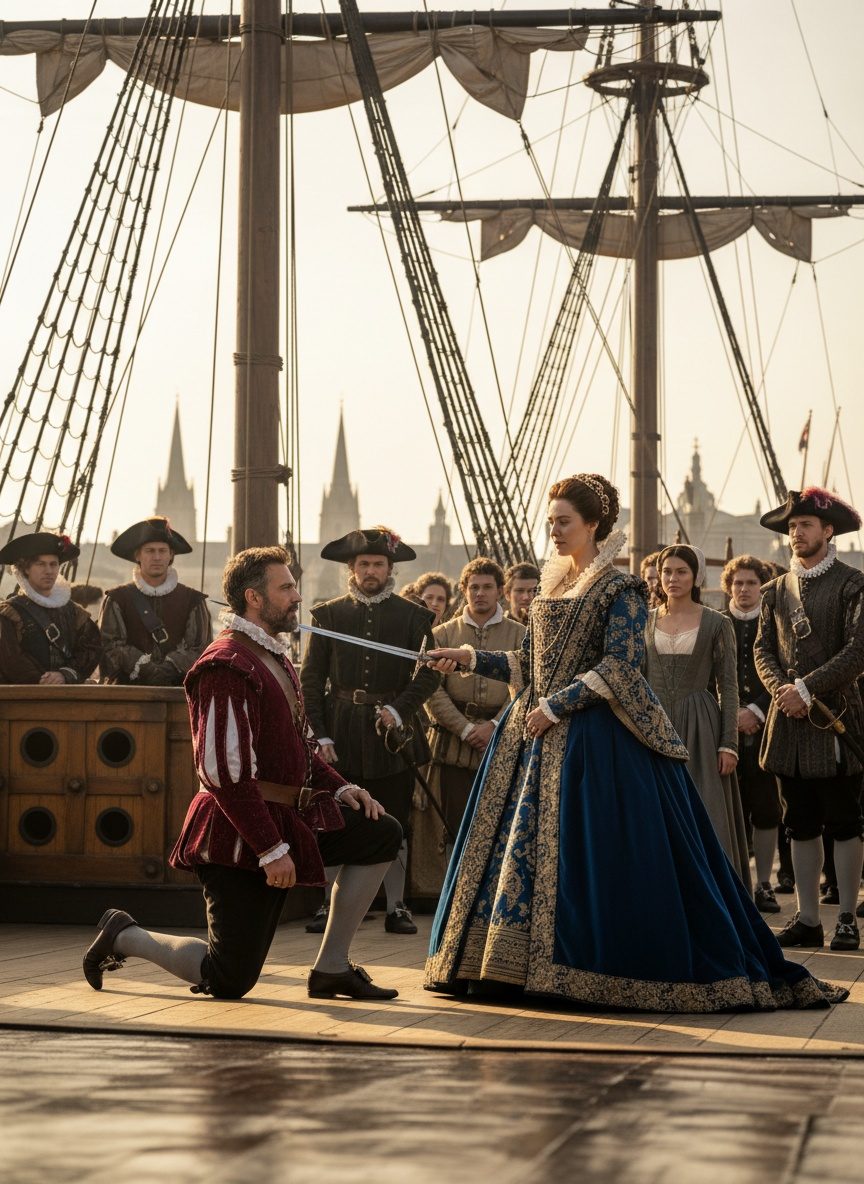
Despite their isolation, the Russians were not oblivious to the world beyond. Chancellor, though an unexpected visitor in a land so vast and enigmatic, was welcomed warmly and ushered towards the heart of Russian power—the court of Ivan IV, known more infamously as *Ivan the Terrible*. Chancellor, bearing the gift of diplomacy, stood before the formidable Tsar, a figure whose very name inspired dread and fascination.
Ivan, ruling with an iron fist yet eager to elevate his empire's position on the international stage, saw potential in these foreign guests. These weren’t marauders nor mere traders: they were emissaries from a kingdom burgeoning with might and reach. Chancellor, with quiet tenacity and the weight of a nation’s hopes upon his shoulders, negotiated the foundation for a groundbreaking trade agreement. His arrival opened the sluice gates of exchange, linking English fabric and metal goods with the furs and bee products of Russia—a formal bond between two unlikely brothers in commerce.
The Echoes of a Frozen Journey
The success of Chancellor’s mission rippled across continents, transforming English-Russian relations in ways that reached far beyond the scope of simple trade. This exchange ignited an inspiration for knowledge and cultural exchange, planting seeds of shared narratives and mutual curiosity that would blossom over centuries.
Chancellor’s audacity fostered other ventures, leading further exploration and expedition toward the enigmatic East. Though he could never have foreseen the modernity enveloping the world centuries later, his actions marked a definitive pivot—a moment when the isolated expanses of each nation were drawn together by the thread of shared enterprise. As Russia emerged onto the European stage, the groundwork laid by Chancellor found reverberations in later historical moments, influencing political alliances and cultural ties that extended far beyond their makers’ original aims.
The story of Richard Chancellor is more than a relic of history. It reveals the tenacity of explorers who dared to chart the unknown with nothing more than a compass of dreams and a yearning for discovery. His journey, from a frozen and inhospitable bay to the opulent and terrifying court of Ivan the Terrible, presents an enduring testament to human ingenuity and the relentless pursuit of progress. It reminds us that from the shrouds of the impervious ice, thawing paths can emerge, creating bridges where once there was only the silhouette of isolation.