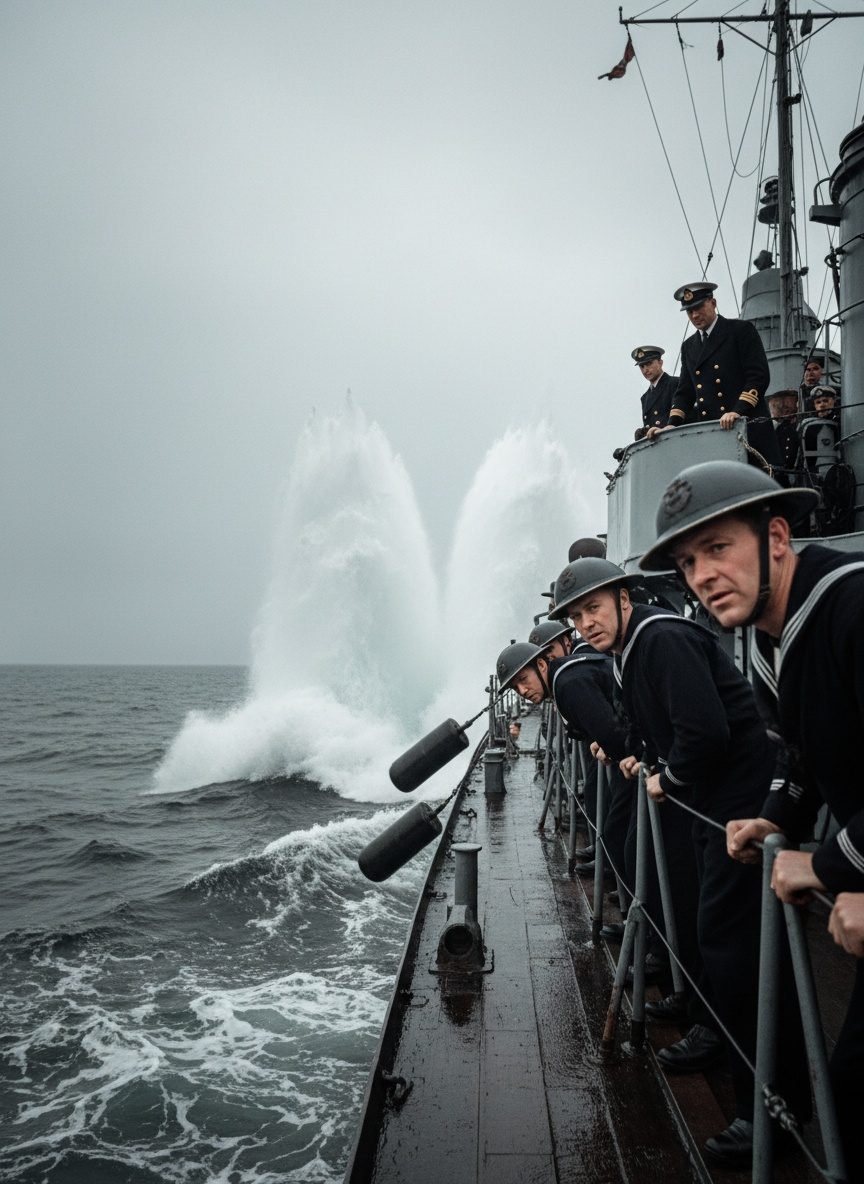
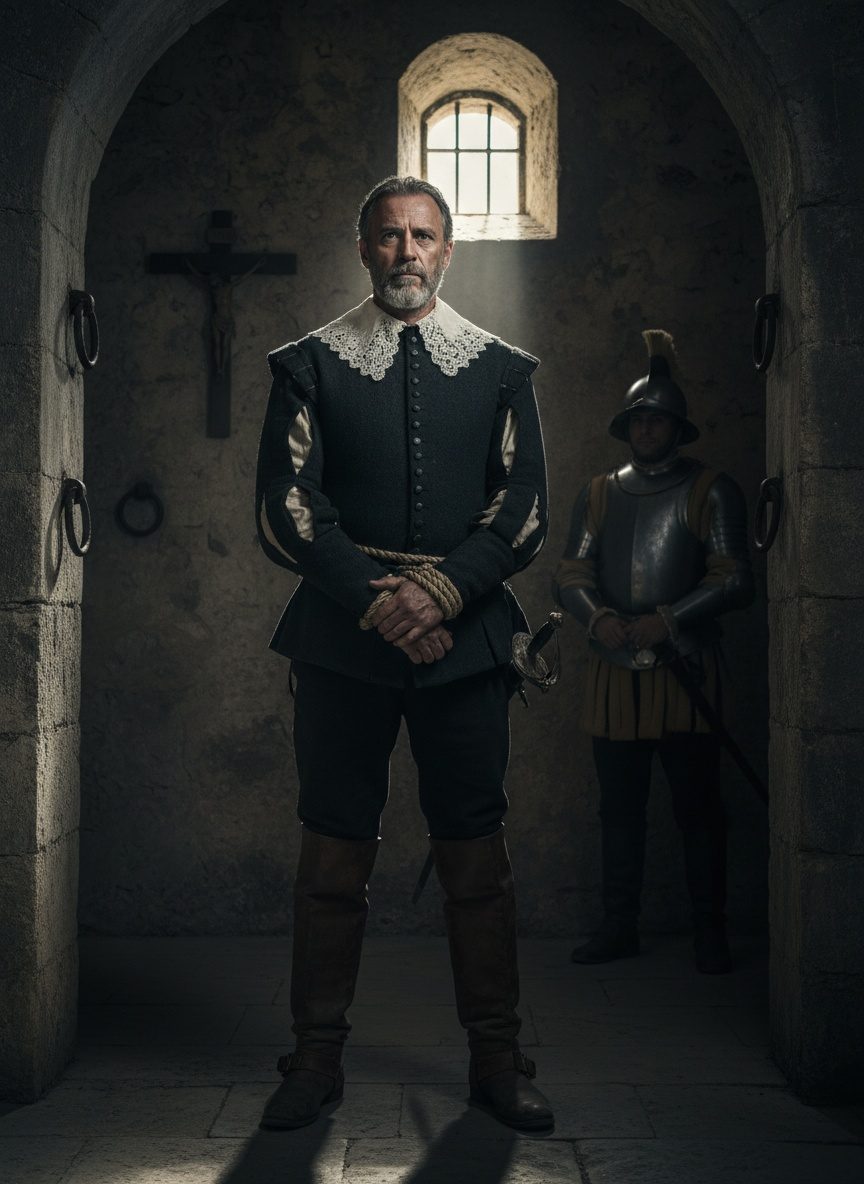
He was a prisoner in a foreign land. Yet, Richard Hawkins felt more a captain than captive.
The Audacious Decoy
Long before Hawkins found himself in chains, he had already carved a name for himself in the tempestuous world of Elizabethan seafaring. Born into a lineage of explorers and privateers, he carried the DNA of the daring. His father, Sir John Hawkins, was a legendary figure known as much for his naval prowess as his intricate familiarity with the Spanish seas. Young Hawkins was not just a chip off the old block; he was an innovator. In 1593, when he embarked on his ill-fated journey with the ship Dainty, it wasn't just the sea he sought to conquer, but one of the most formidable maritime powers of the time—Spain.
The audacity of his mission illustrated a keen understanding of naval strategy. Hawkins aimed to disrupt Spanish fleets and seize valuable cargo. He set sail with ambitions synonymous with the era’s whisper of expanding English influence. What most didn’t know was how acutely he grasped the fragile balance of empires. Commanding the Dainty, a well-equipped galleon, Hawkins's stratagem was a work of art, both audacious and foolhardy. But the ocean bore no solidarity, offering nothing but tempests and unpredictable fates.
The Crushing Blow
Amidst the Caribbean's azure tapestries, Hawkins's fortunes turned. It was 1594 when he and his crew faced the fierce Spanish fleet, commanded by Don Beltrán de Castro, off the coast of Peru. A grueling conflict ensued where Hawkins showcased maritime brilliance. Perhaps what was most stunning was the resilience displayed by his weary men, driven by the essence of Elizabethan valor. But exhaustion is a quiet enemy. As supplies dwindled and hulls creaked under cannons' embrace, Hawkins made a searing decision that scorched his soul—surrender.
Captured and incarcerated, he witnessed the echoes of cannon fire become a haunting melody of rusted chains and confining walls. While others might have viewed him as beaten, Hawkins's determination was forged by the flames of captivity. In those darkened cells, he grappled with the solitude that only sailors of his ilk could comprehend. The Spanish, sensing his formidable spirit, offered him a chance—renounce England, swear allegiance to Spain, and be free. But there, in the heart of enemy land, Hawkins's love for his country was an incorrigible fortress.
A Her Majesty's Mage
What Hawkins could not have predicted was the invisible ink on Elizabeth's globe. Despite Hawkins being physically removed from her sights, his spirit became a ballast for many an English voice intrigued by derring-do against odds. Queen Elizabeth I, that luminous axis of empire, had not forgotten her seafarer. This was a time when water bore witness to the dance of coiling empires, and for Elizabeth, Hawkins represented an unbridled defiance that was both intoxicating and inconvenient.
The political landscape was slippery as Elizabeth balanced agitation with triumph. But her affection for loyal subjects like Hawkins lent an unwavering discipline to an otherwise chaotic Age of Exploration. The queen's decision to negotiate his release was more than a personal gesture; it offered a glint of national character—a strong hand beneath velvet sleeves. For Elizabeth, Hawkins symbolized the nuanced waltz of courtship and control, an exemplar of subjects holding the line beyond terrestrial reach.
An Unseen Empire's Reach
After endless negotiations, the key to Hawkins’s release was finally forged in 1602. Emerging into the incandescent world from his Spanish cell, he was more than a man returning—he was an allegory of persistence and fidelity. Few knew the strength required to defend an invisible island from within a foreign bastion. Hawkins's release was not merely a story of redemption, but a vivid reminder of the tension between personal ambition and national duty.
Richard Hawkins's tale is a tapestry of enduring resolve interwoven with the high seas' capricious embrace. The resonance of his choice—choosing cell over country—carries truths not captured in mere ink or regal speeches. Through the scope of history, his life echoes the spine of a nation's moral compass, a testament to those unsung legends who refused to let captivity craft their narrative, embedding whispers of loyalty through every creak of deck and darkened cell.