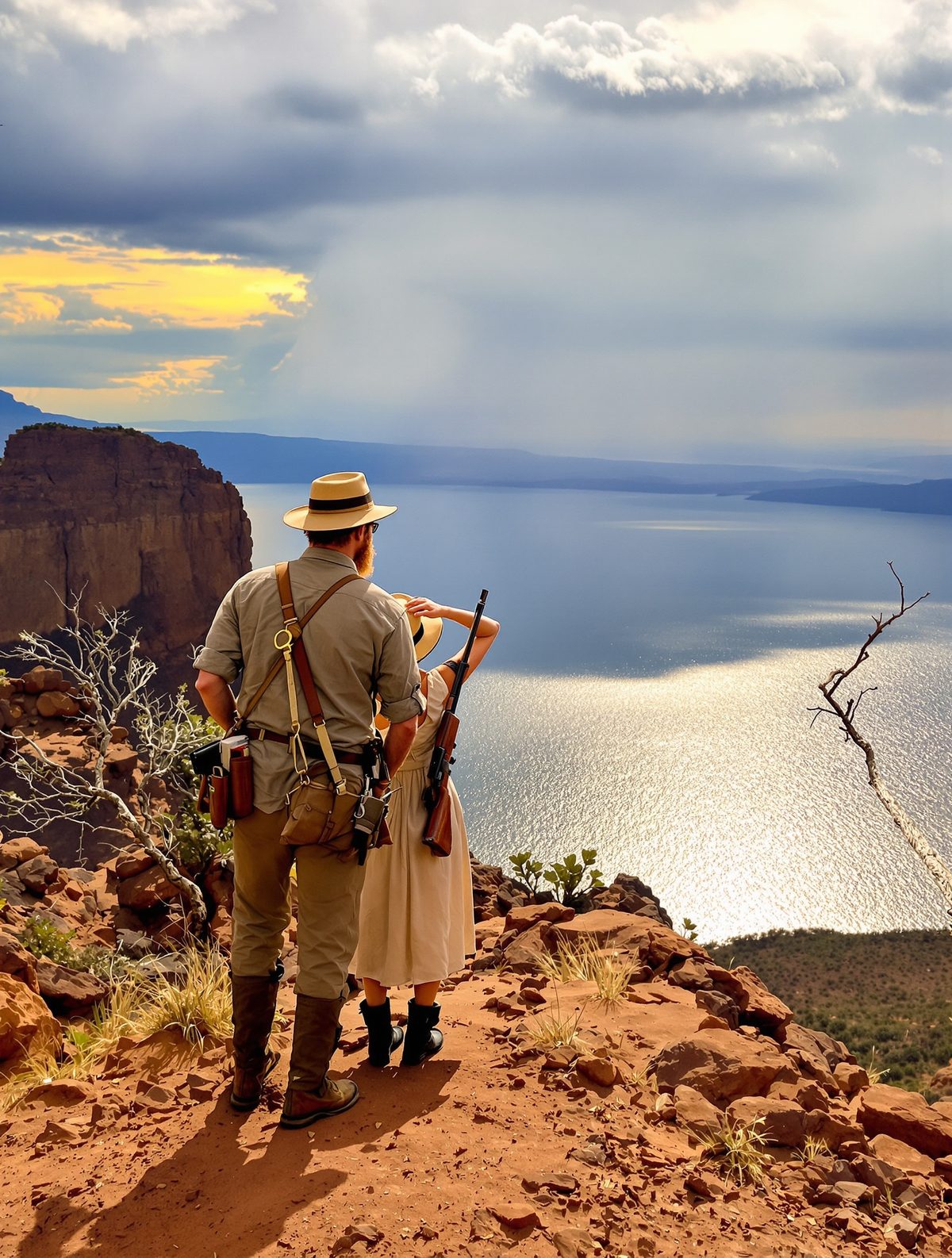
In the sweltering heat of March 1864, two figures, baked by the relentless African sun, stood on the precipice of discovery. The man, his face a tapestry of sunburn and resolve, looked out across a vast, mirror-like expanse of water. This was no mirage of their fevered minds but a tangible, geographical revelation. Samuel Baker had found it at last — a pivotal piece in the ancient mystery that was the River Nile.
The Uncharted Path: Setting the Stage
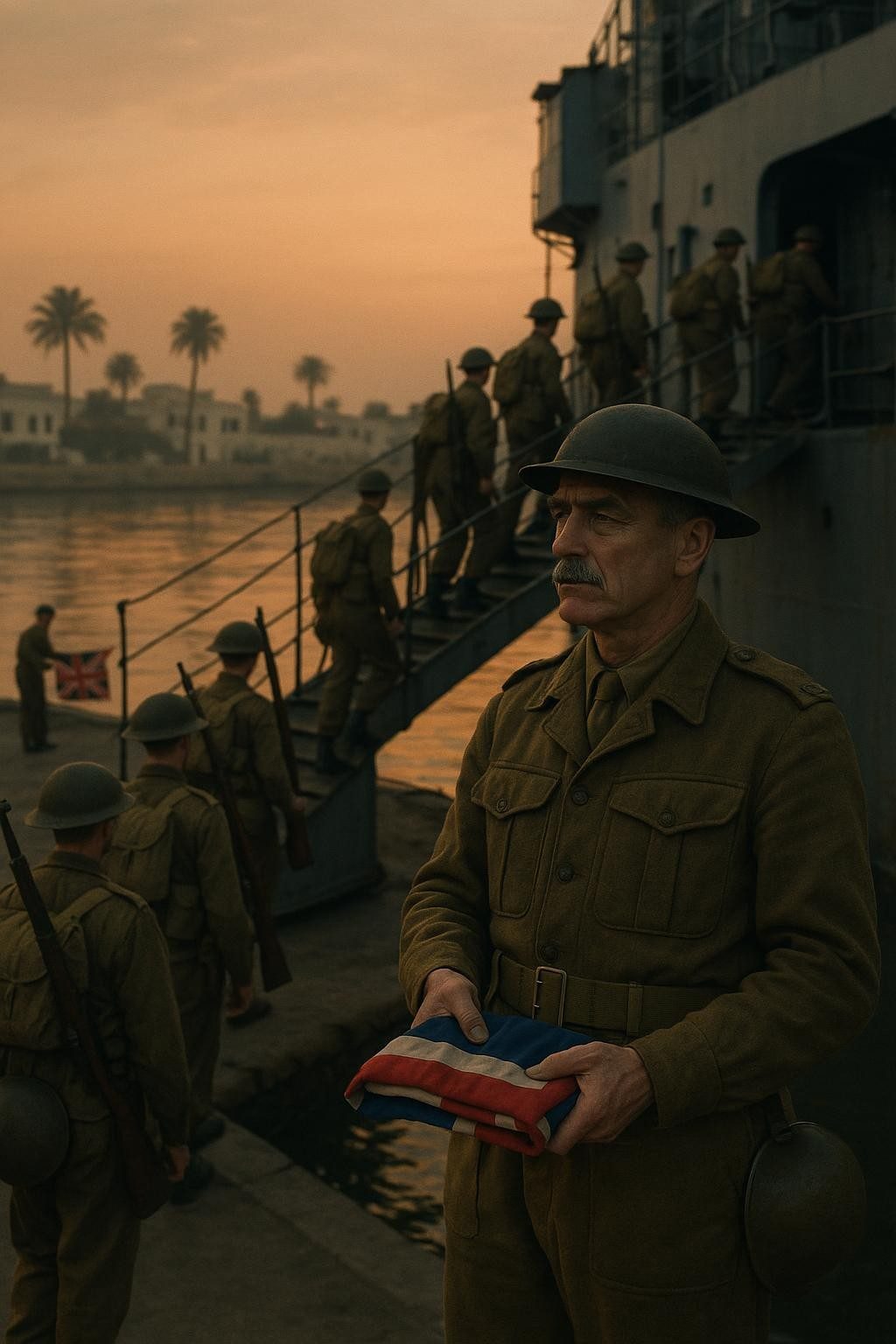
The mid-19th century was a time of relentless exploration. The British Empire, with its insatiable thirst for knowledge and dominion, had its gaze set on the enigmatic heart of Africa. The quest for the source of the Nile, a legendary pursuit since antiquity, had drawn countless adventurers. In 1864, it was Samuel Baker and his intrepid wife, Florence, who embarked on this perilous journey. What made their expedition unique was not just the destination but the dynamics — a husband and wife team venturing into the unknown.
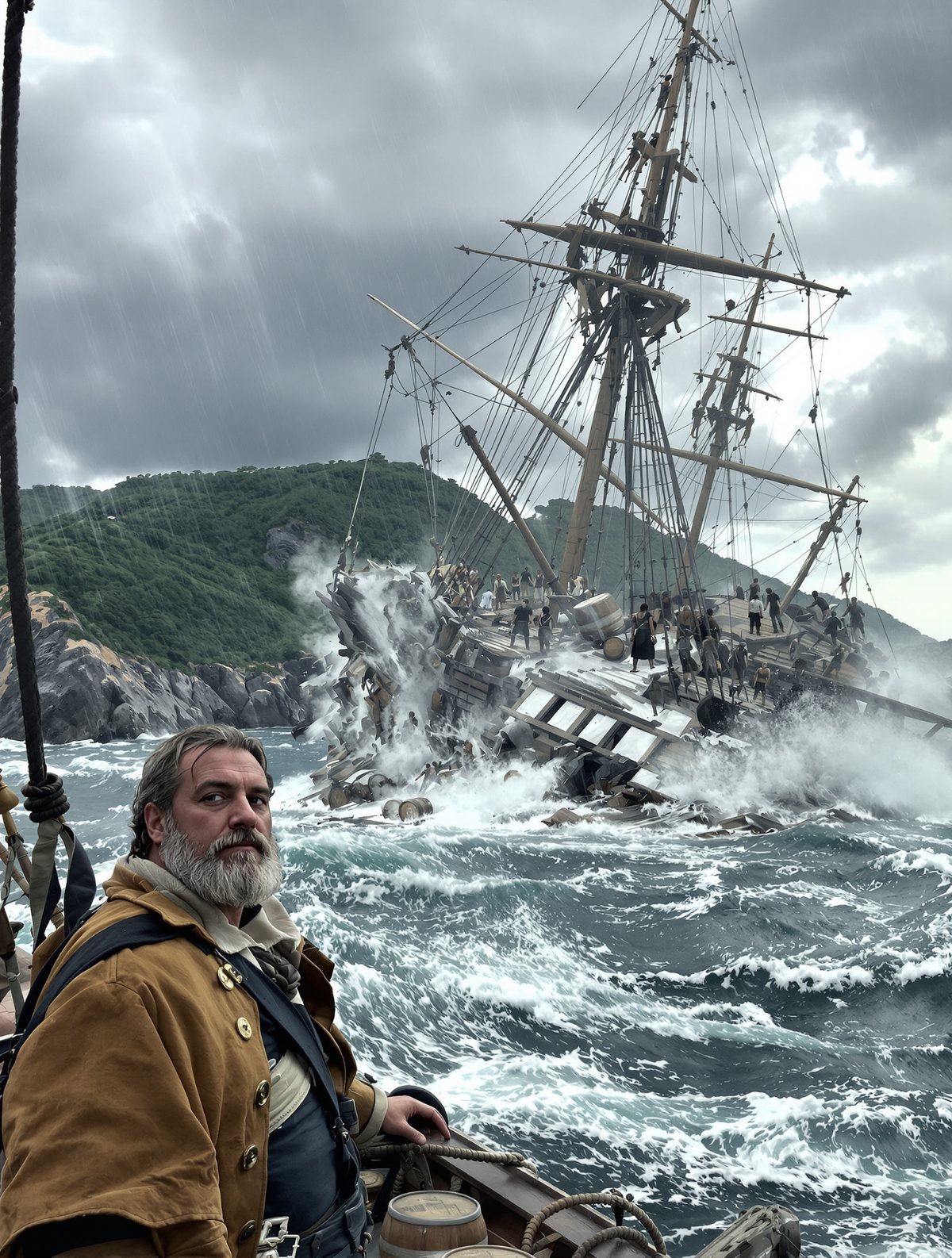
Without a map or the assurance of safety, Samuel and Florence Baker ventured where few had dared. Their journey began in Khartoum, Sudan, navigating through the treacherous swamp landscapes known as the Sudd. Baker, originally an engineer with a disposition for adventure, was fueled by both ambition and a personal drive to contribute to Britain's dominion over new territories.
The Challenges of Exploration
For Baker and his wife, challenges were relentless companions. Fever ravaged the couple repeatedly, and betrayal lurked closer than they anticipated. Their hired porters, consumed by fear and superstition, abandoned them in the wilderness. Yet Florence, an intelligent woman of Hungarian descent with a fiery spirit, stood by Samuel's side. Her resilience was nothing short of remarkable, defying the Victorian notions of womanhood and surviving alongside her husband against all odds.
It was Florence’s presence that remained a point of awe for those they encountered. Many native communities had never seen a European woman, especially one willing to brave the same treacherous conditions as the men. Samuel Baker’s journals reflect a profound respect for Florence's unwavering spirit — she was his equal in this quest.
Confronting Slavery
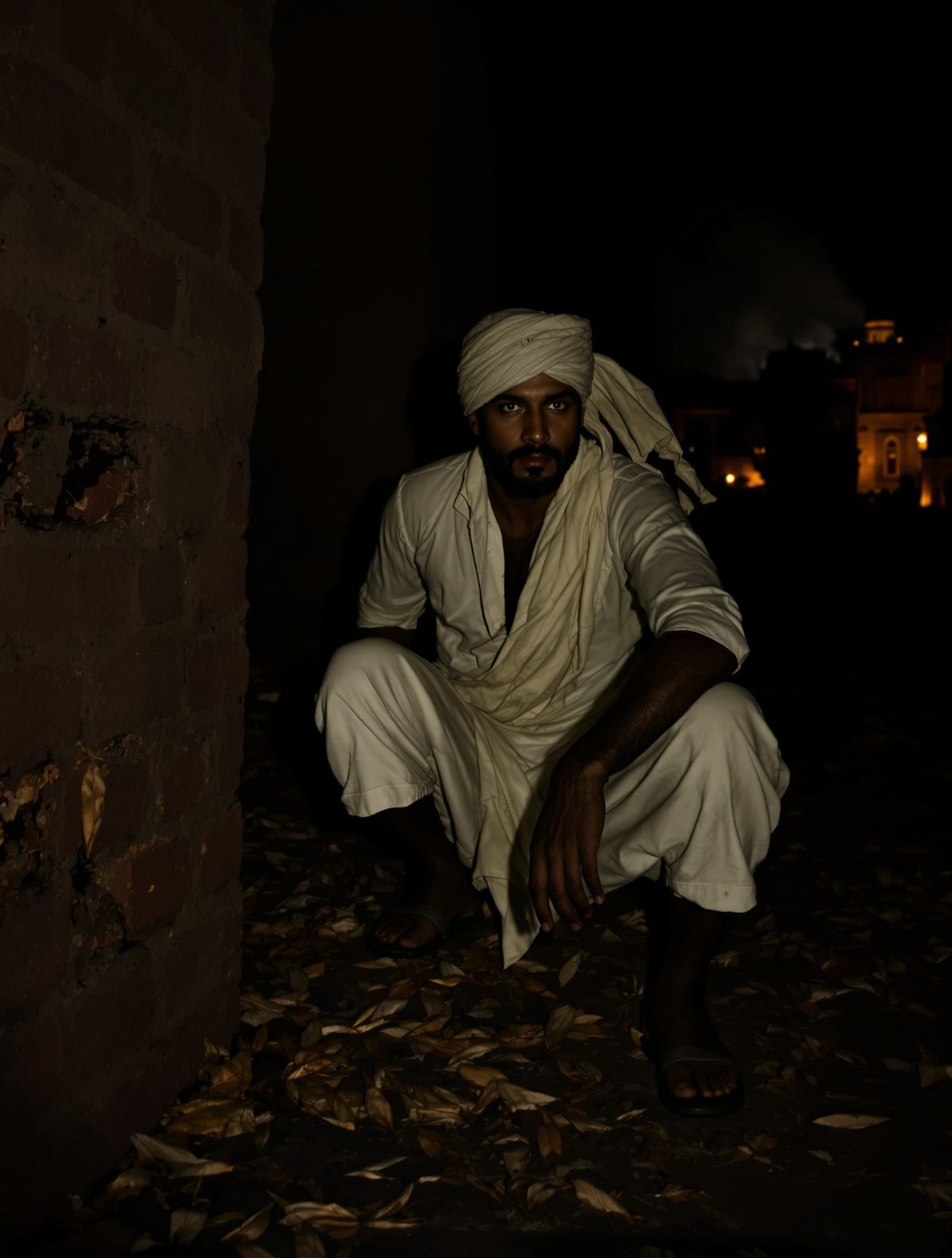
As they pressed onward, the Bakers faced not only nature’s wrath but the dark specter of humanity's cruelty — slavery. They traveled through regions plagued by the Arab slave trade, witnessing firsthand the brutalities inflicted upon the indigenous populations. This horrifying exposure deeply affected both Samuel and Florence, igniting a lifelong passion for anti-slavery activism.
One such encounter with a slave caravan at Gondokoro was particularly poignant. The stark image of human suffering weighed heavily on Baker's consciousness. It drove the Bakers to use their newfound fame from the exploration to campaign vigorously against the trade upon their return to Europe.
A Vision Realized: The Discovery of Lake Albert
In March of 1864, after months of enduring illness and exhaustion, their perseverance was rewarded. As they emerged from a dense line of trees, the brilliant vista of an immense body of water unveiled itself — Lake Albert. The overwhelming sight moved Baker to tears, an emotional culmination of their relentless pursuit. He named the lake in honor of the late Prince Albert, Queen Victoria's beloved consort.
Lake Albert was more than just a discovery; it was a crucial piece in the colossal geographical puzzle of the Nile's headwaters. While John Hanning Speke had identified Lake Victoria as the primary source a few years earlier, Baker's find completed the map of the Nile's uppermost streams. The subsequent opening of these waterways had profound implications for trade and colonial ambitions throughout the region.
The Unsung Hero: Florence Baker
While Samuel Baker’s name became synonymous with the discovery, Florence’s vital contribution must not go unheralded. Often referred to as Lady Baker, she transcended the era’s gender constraints and proved invaluable, navigating compellingly through negotiations and fostering peaceful relations with local tribes. Her fluency in multiple languages served them well, and her presence was often regarded as a charm that smoothed their interactions with diverse indigenous groups.
Why This Matters Today
The Bakers' journey was more than a geographical triumph; it was a human saga of tenacity, partnership, and moral awakening. Their odyssey through Central Africa on foot, devoid of modern conveniences or military backing, was a testament to the human spirit’s capacity for exploration and endurance.
Today, as we reflect on the Bakers' legacy, we find a dual narrative — one of adventure and another of anti-slavery advocacy, revealing the intersections of discovery and human rights. Their story prompts a reevaluation of how historical narratives are preserved and whose stories receive recognition. Samuel Baker’s legendary exploration and Florence’s steadfast bravery offer inspiration, teaching us the value of curiosity mingled with empathy and the importance of resisting exploitation wherever it arises.
The discovery of Lake Albert was a pivotal moment for the world, reshaping the cartography of Africa. Yet, in our pursuit of grand narratives, let us not forget the personal stories that weave the fabric of history — stories of those like the Bakers, who ventured beyond the map's edge, changing it forever.