The war was all but over. But for the men of the 2nd Wiltshires, the fight was far from done.
The Relentless Push
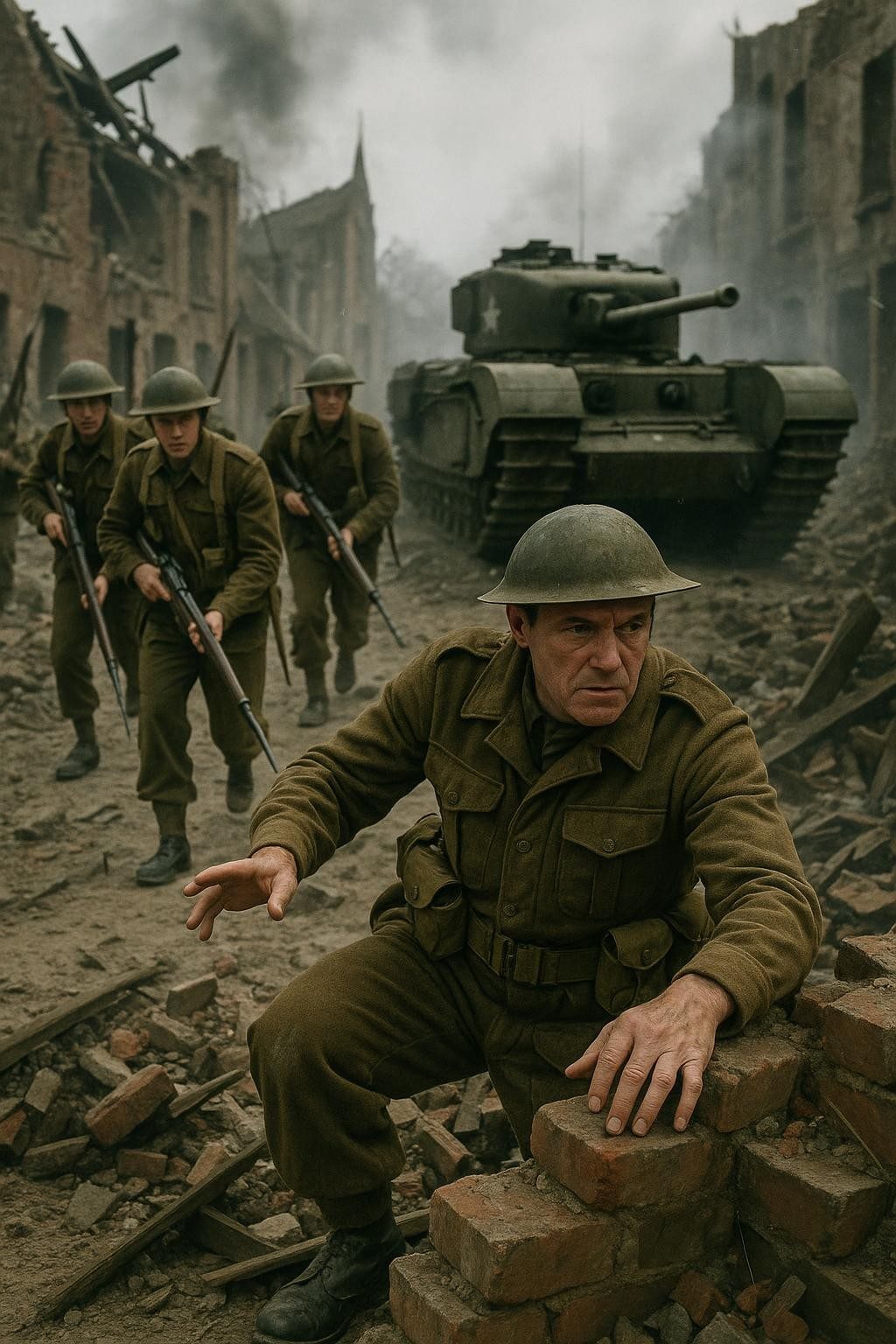
Germany, May 1945. In the rolling countryside south of Lübeck, the echoes of a war that had ravaged the globe were beginning to fade. Yet for the soldiers of the 2nd Battalion, The Wiltshire Regiment, the reality was stark and immediate. The triumphant shouts at war's end had yet to reach their ears. Unlike the spectacle of grand battles or the iconic assaults immortalized in textbooks, their mission was less about glory and more about grim necessity. Their task? To clear the remaining German resistance from towns and villages that stubbornly clung to the tattered remains of the Third Reich’s cause.
These were men drawn from the quiet countryside of Wiltshire, accustomed more to the gentle rhythms of rural life than to the chaos of street-to-street combat. But here, in the final throes of World War II, they found themselves face-to-face with a stark, unyielding duty. The stakes were no less grim for being so near the war's end. The enemy was, technically, beaten. But technicalities meant little when bullets still flew and soldiers lay dead or dying.
The Men Behind the Mission
Comprising a mix of veterans and fresh recruits, the 2nd Wiltshires were an embodiment of an ordinary regiment called to extraordinary tasks. Throughout the conflict, they had trudged across continents, from the relentless push across North Africa to the bitter winters in Italy. Now, standing amid the rubble of German streets, they faced a different kind of battle. It was no longer about advancing vast distances or seizing strategic objectives. The mission was simple yet chilling: eliminate every last point of resistance. The cost was personal and immense.
Each soldier carried stories untold in many history books—a testament to individual courage and resilience. For some, every door and window they faced felt like opening a Pandora's box: what lay inside was an enigma. Sometimes it was a defeated Nazi soldier hand raised in surrender; at other times, the choking crack of gunfire waiting to greet them.
Echoes of Resistance
South of Lübeck, surrender was far from uniform. As Allied forces closed in, an unyielding spirit persisted among certain fragments of the German army. These were the hardliners who had not received the memo to lay down arms, or perhaps simply chose to ignore it. They hid in basements and held out in attics, the shadows their last allies. The men of the 2nd Wiltshires were no longer meeting a galvanizing, advancing force, but rather a cornered and desperate enemy, ready to fight fiercely even in the twilight of defeat.
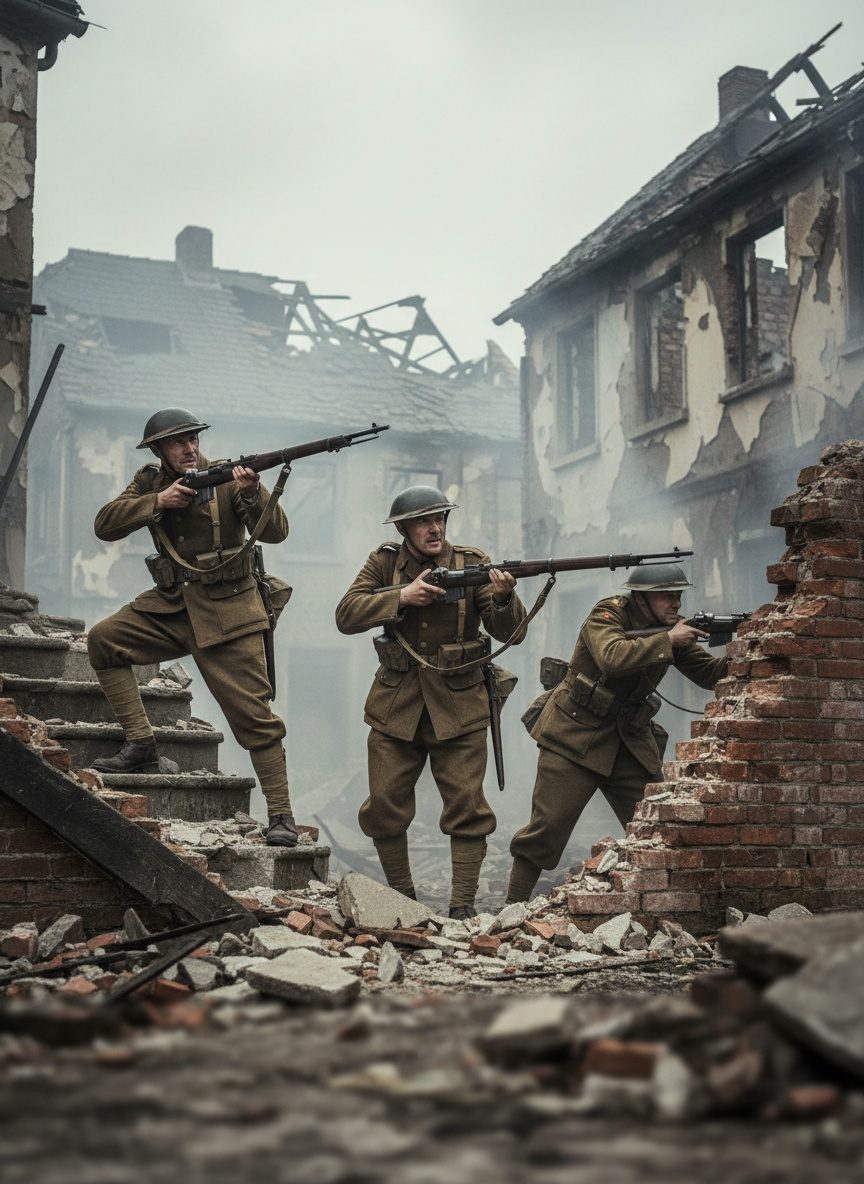
With rifles at the ready and nerves raw from fatigue and anticipation, the Wiltshire soldiers pushed through the streets, clearing each house in methodical, painstaking fashion. Every knock on a door, every step taken into an unknown corridor, was weighed with the tension of uncertainty. For the Wiltshires, the war was a series of decisions made under duress, where hesitation could mean the difference between life and death.
The Last Battles
The combat in these days at the dying edge of the conflict oscillated between boredom and terror. There were long periods punctuated by eerie silence, moments when those in the battalion might almost dare to believe the fighting was done. But the next second could erupt in chaos, with a fortified holdout turning an ordinary street into a battleground. The men learned quickly that vigilance was paramount, adopted a level of alertness that frayed the nerves but spared lives.
With a ragtag assembly of forces holding on to ideals rapidly crumbling like the edifices around them, the fighting became an expression of defiance more than strategy. And for the Wiltshire soldiers, the coiling tension of impending peace was both a relief and a curse. Each engagement seemed pointless yet deadly, like the last heartbeats of a failing villain, determined to pull down as many as possible before surrendering to fate.
The Weight of History
As the war formally concluded on May 8, 1945, with Germany's unconditional surrender, the significance of the 2nd Wiltshires' actions seemed to evaporate into the ether of history. Their contribution not chronicled alongside epic campaigns, their sacrifices not glorified in sweeping narratives. Yet, what they accomplished in those quiet, forgotten streets was profound. They were living reminders that the shadow of conflict extends far beyond famous battles, that peace is often seized and secured in mundane, perilous engagements.
In the end, their mission highlights a vital truth often neglected in the broader canvas of history: it is not just in grand strategies and pivotal battles that wars are won or lost, but also in the doorways, the alleys, and the hearts of those who see a job through to the bitter end. The story of the 2nd Wiltshires in May 1945 serves not only as a testament to the soldiers’ resolve but as a sobering reflection on sacrifice, valor, and the complex nature of heroism that rarely fits neatly within the pages of a textbook.