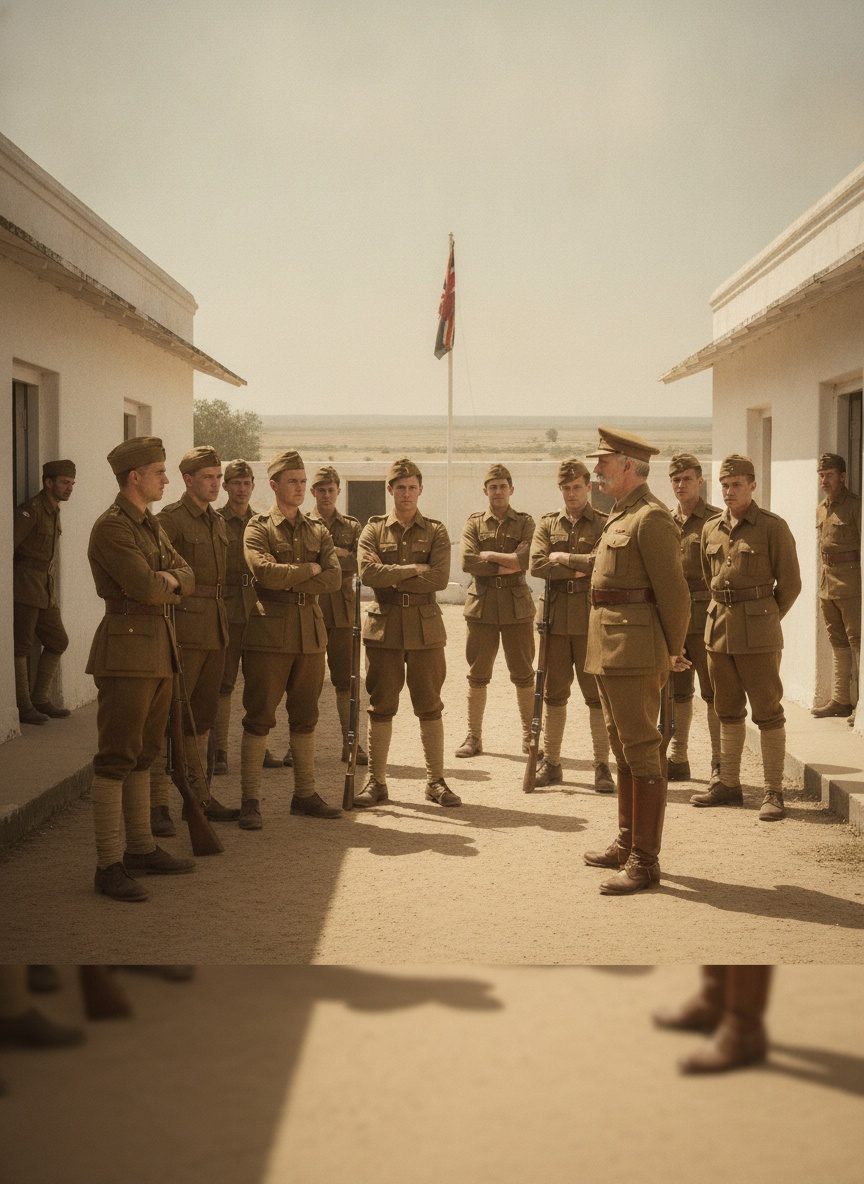
Spring 1944. A gray sky hung heavy over the British countryside, a harbinger of the storm soon to sweep across the European continent. In the heart of this small isle, men gathered, preparing for a battle that would change the course of history. Among them were the soldiers strapping on one of the war's most controversial inventions: the Lifebuoy flamethrower.
The Birth of a Fearsome Weapon
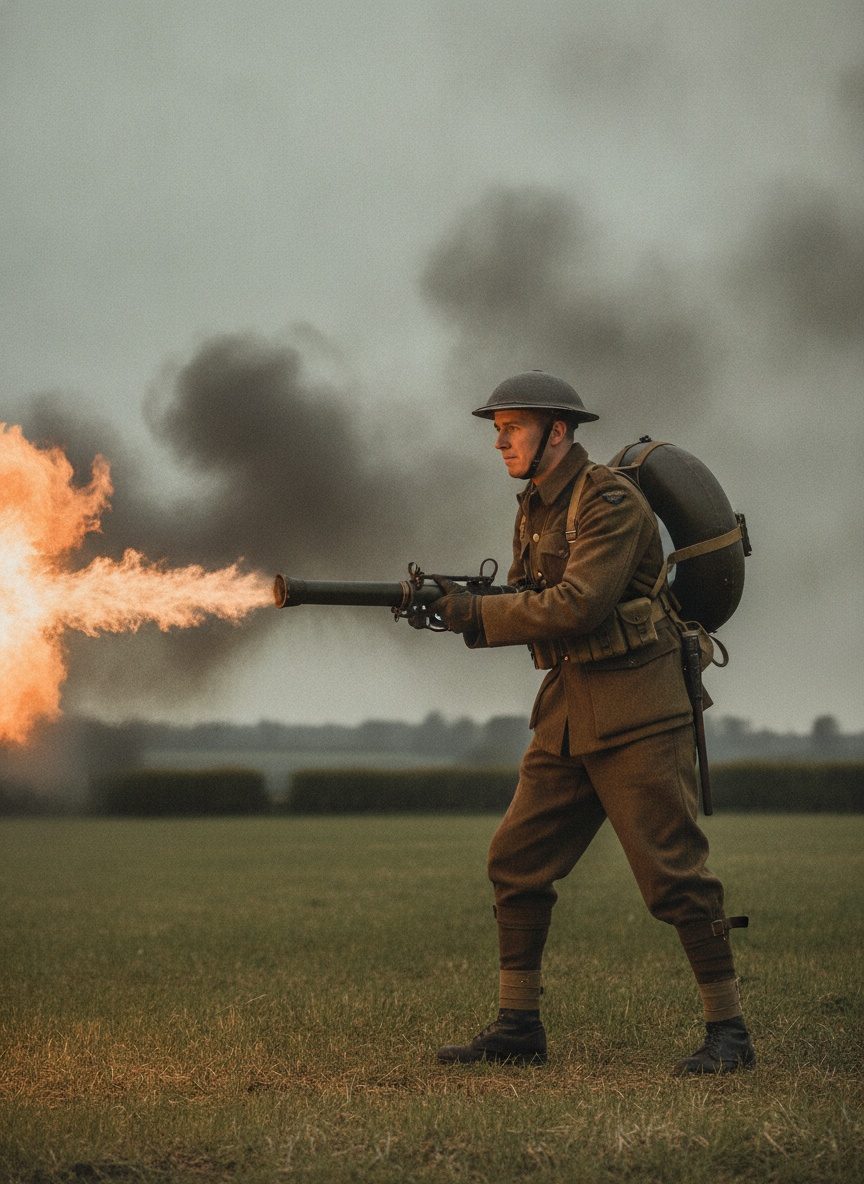
The Lifebuoy flamethrower, named for its distinctive doughnut-shaped fuel tank, was the brainchild of desperate times. As D-Day loomed on the horizon, Allied forces sought means to break the stalemate of trench warfare that had haunted military strategy for decades. The concept of flamethrowers was not new—fire had been a weapon since ancient battles—but the Lifebuoy brought it to the British infantryman.
Weighing approximately 40 pounds, it was a burdensome addition to any soldier’s gear. It held enough pressurized fuel for just ten seconds of lethal fire—a brief but devastating burst capable of turning the tide in a close-quarters engagement. But every time the nozzle was fired, the operator became the focal point of enemy fire. One direct hit to the fuel tank and the stakes would transform, turning those brave bearers of flame into fiery martyrs.
Training for the Inferno
Intense and often terrifying training sessions were a prelude to wielding this weapon of destruction. These sessions were not for the faint-hearted. Soldiers learned to control the liquid fire with precision, a task more daunting under live fire conditions. Each man chosen for this duty understood the responsibility resting on his shoulders; the flame-tongue could surge forth indiscriminately if not expertly managed.
Simulations were conducted in makeshift villages reminiscent of the occupied French towns they would soon assault. Training in such environments was arduous but essential. The flamethrower operators became adept not only with the mechanics of their weapon but also in the art of moving unseen, overspeeding the grim reaper’s hand that their burden summoned.
The Crucible of Normandy
On the beaches of Normandy, this cumbersome device became both a blessing and a curse. The terrain was a mix of nightmarish crossfire and chaos, a chaotic symphony of gunfire, shouts, and artillery explosions. Here, the Lifebuoy flamethrower found its niche, where fortified bunkers and entrenched soldiers presented dilemmas that bullets alone couldn’t solve.
The use of flamethrowers in such settings was pivotal. The FWIs (flame weapons infantry), as they were often called, approached the daunting role with a stoicism that spoke to their internal fury. Crawling on their bellies at times, they would approach as close as safety—and the sparse terrain—would allow, then open the gates of fire. One can imagine the sight: vivid plumes of incendiary wrath cascading over enemy positions, flushing out resistance with unstoppable force.
The Price of Fire
Yet, the price of such power was steep. The enemy understood well the threat posed by these flamethrowers and snipers often prioritized targeting FWI units. The odds of survival for a Lifebuoy operator were chillingly slim. Their sacrifice, however, was often the key to victory, creating breaches in enemy defenses through which their comrades could pour.
The psychological impact of the flamethrower was profound. It instilled a dread in enemies that no other weapon could. The sight of flame and the knowledge of its fate should one succumb captured an ancient fear, kindled by wars from our darkest pasts. The harrowing reports of those who survived encounters with flamethrowers, both within and bordering opposing lines, tell tales of adversaries surrendering rather than facing the horrors of combustion.
The Legacy of the Lifebuoy
The Lifebuoy flamethrower, in its brief military career, etched itself into the annals of warfare as a symbol of the desperate, blazing courage that defined World War II’s brutal close-quarters combat. This weapon, more than any other, manifested the burning determination to put an end to tyranny, scorched into the memories of those who wielded it and those who faced its wrath.
As the war ended, so too did the era of the Lifebuoy. Yet, its legacy endured not just as a weapon of war, but as a testament to the extremes of human ingenuity and courage. It is a harrowing reminder of the cost of conflict, where a few precious seconds of ignition could tip the balance between life and death, victory and defeat. Today, when we reflect upon the tales of tumult and valor from the last great war, we honor those whose bravery lit the way to liberation, bearing their burdens like titans carrying torches through hostile darkness.