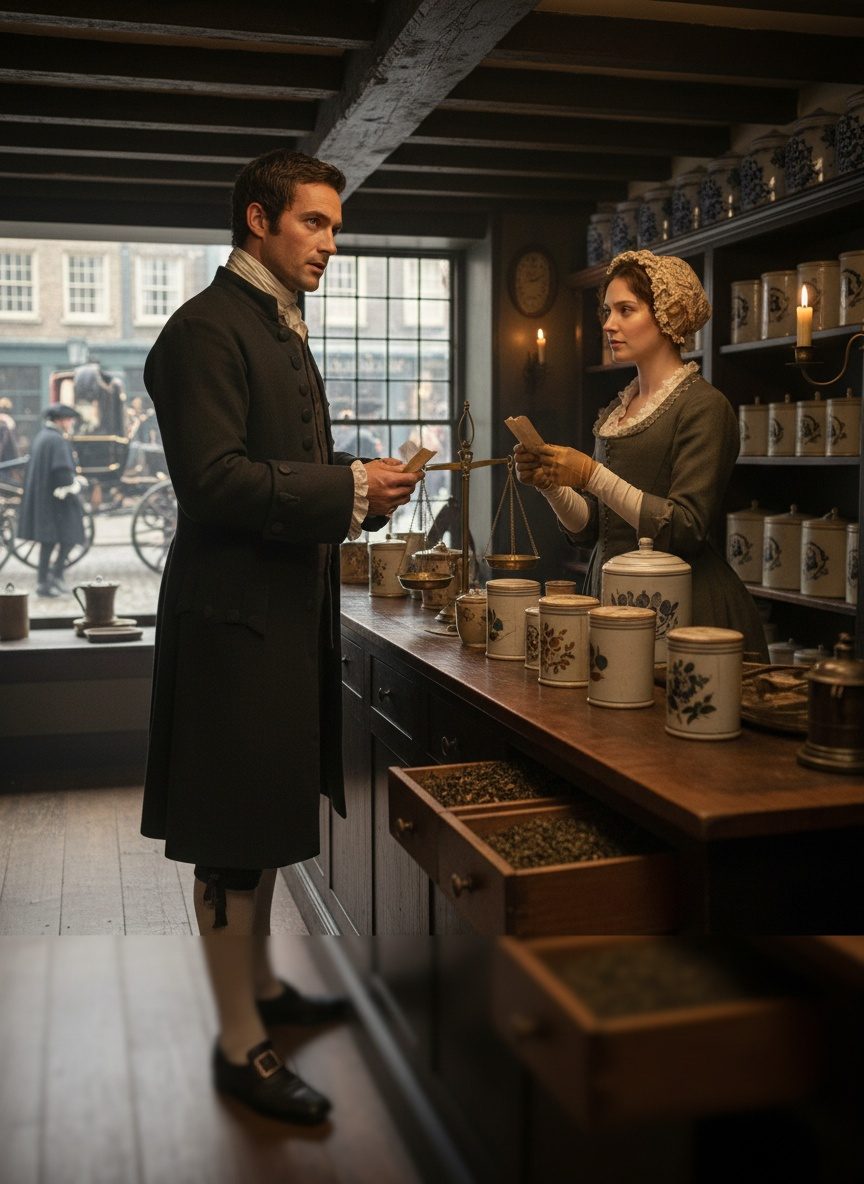
He did not come from a lineage of noble merchants. In 1706, Thomas Twining, a man with no aristocratic background, opened a tea shop that would transform sipping a brew into a British tradition.
From Coffee Houses to Tea Emporiums
Walking through the bustling streets of early 18th-century London, one might have easily overlooked the unimposing building nestled in the heart of the Strand. Yet within its walls, a quiet revolution was stirring. Thomas Twining, a keen entrepreneur and son of a miller from Painswick, Gloucestershire, saw potential where others saw mere novelty. When he opened the shop, appropriately named "Tom's Coffee House", it was adorned with the bold promise of a new experience: the taste of tea.
Coffee houses were the meeting point for London's intellectual elite, and they buzzed with politics, trade, and more. However, these establishments largely barred women, relegating their participation to the tales shared by their male relatives. Twining, however, envisioned a space for inclusivity, appealing equally to those of refined and humble origins. Recognizing a shift in the cultural landscape and the burgeoning interest in Chinese teas, he pivoted from merely serving coffee to introducing the city to the aromatic allure of brewed tea leaves.
The concept of selling loose tea leaves was radical, not only in its openness to all genders but because it circumvented the need for the exclusivity prevalent in social gatherings. Suddenly, the luxury of tea was no longer confined to the palatial drawing rooms of the aristocracy. With a reputation for quality and a customer-centric approach, Thomas Twining created an ambiance where the taste of tea was enriched by the diverse social tapestry of Londoners who passed through his door.
The Appeal of the Strand
Why, out of the vast expanse of London, did the Strand become the site of this pivotal transformation? This thoroughfare was more than just a street; it was the lifeline of commerce and culture. Flanked by grand buildings and teeming with a populace eager for the newest trends, the Strand was the crossroads of opportunity. For Thomas Twining, it was the perfect setting to introduce tea to a broader audience.
As the Georgian era unfurled its opulence, a parcel of tea leaves became the epitome of sophistication. The British palette, initially hesitant, became quickly enamored with this exotic import. Twining's shop bridged classes, drawing patrons from traders to nobles, all united in their burgeoning penchant for tea. The location further aided this cultural bridge, with the Strand acting as a passage rich in the synergy of Britain’s burgeoning imperial identity.
Illuminated by modest candlelight, the shop exuded an aura of warmth and charm. Inside, the intoxicating fragrance of tea wafted through the air, inviting passersby to pause and partake. The store became a landmark, not just for its unique offering but for the atmosphere that promised equality in taste—a simple, yet profound form of democratization.
A Tradition Born in a Teacup
Beyond economic pursuit, Thomas Twining's tea shop signified a shift in societal norms. It marked the start of an evolving narrative where leisure and social interactions were steeped in inclusivity. His enterprise allowed women to join the conversation, quite literally, as they indulged in the comfort of a shared pot of tea. As they walked through the doorways of his shop, they brewed not just tea, but change.
Twining's focus on quality and service set a standard that outlived its competitors, and for good reason. Tea promptly cemented itself as the nation's favorite drink and became synonymous with British identity. The institution he started out of a simple shop remains on the very spot where Thomas Twining envisioned his revolution, centuries later.
This tale, more than one of mere commerce, is about the subtle insurgency of a tradition. At its heart, it's a reminder of the power an individual can wield with a simple cup of tea. By choosing openness over exclusivity, Twining did more than change tastes—he shifted the societal landscape. Today, as people from every corner of the globe sip their tea, they unknowingly echo the legacy of Thomas Twining’s inclusive vision. In every cup, there’s a reminder of how commerce once quietly reshaped culture. Tea was never just a drink; it was a beginning.