May 8, 1945. The air in Delhi hung heavy with anticipation and uncertainty.
A Shouted Triumph in the Streets
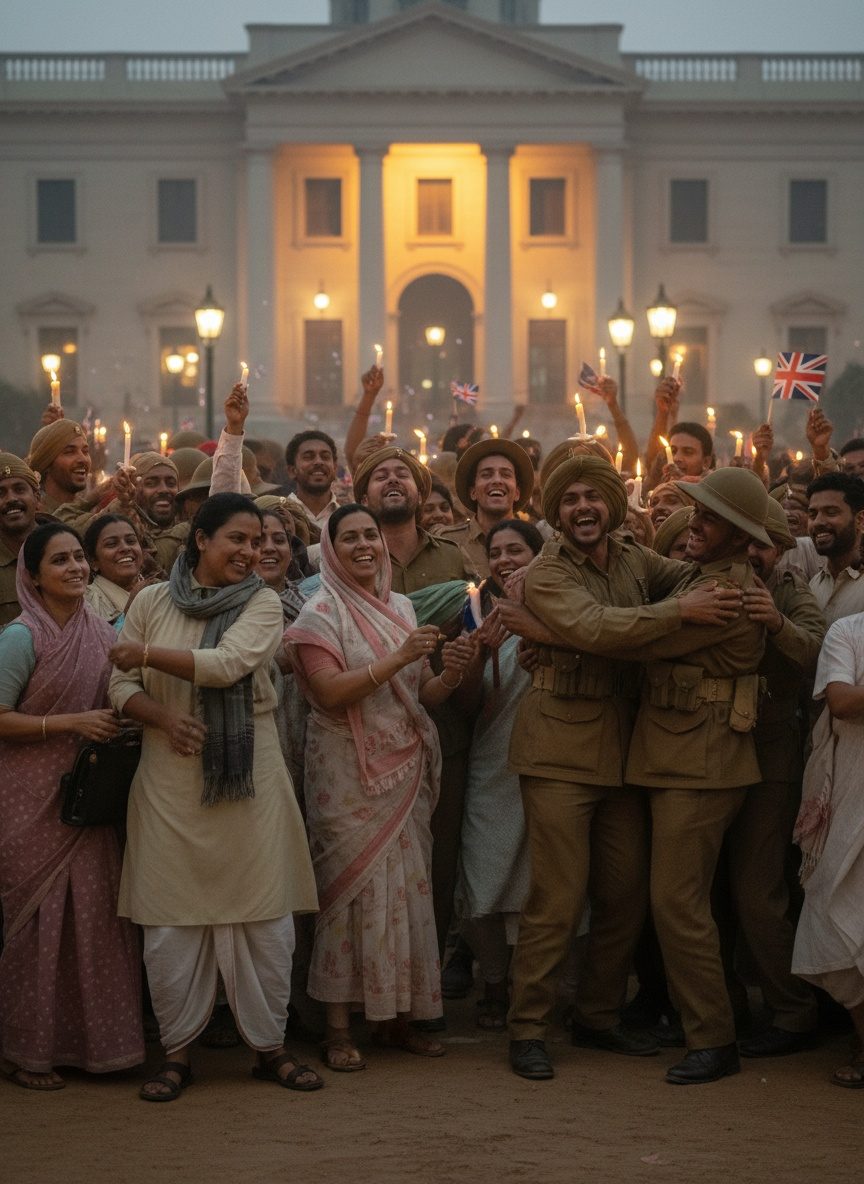
As news of the German surrender reached the ears of the British Raj, Delhi erupted into spontaneous jubilation. The cacophony of celebration pierced the humid Indian afternoon. Flags waved amidst a sea of bobbing heads, while street vendors hastily transformed their stalls into makeshift stands for an array of colorful pennants. Indeed, VE Day had come, carrying the sweet, heady perfume of victory across continents to settle into the bustling Indian capital.
Under the burning Delhi sun, the colonial cityscape—its architecture an ornate blend of British precision and Mughal grandeur—served as the backdrop for a surreal scene. British officers, donned in their uniforms fatigued by years of conflict, mingled freely with locals, a rare breach of the rigid social hierarchies typically observed. There was an intoxicating sense of camaraderie in the air, a temporary suspension of the status quo as Indian soldiers, their outfits still dusted with Burmese soil, cheered alongside their European counterparts.
In Lahore, the mood mirrored Delhi's fervor. The city's ancient markets, usually echoing with the hum of everyday life, resounded with a different kind of noise: the jubilant cries of a liberated world. European expatriates, colonial officials, and soldiers on leave poured into The Mall, a bustling stretch emblematic of British civic life in India. Here, past the redbrick facades, they engaged in revelries that echoed the emotions of the global empire.
Yet, behind the laughter and cheers, a creeping sense of incompletion lingered. For the Indian troops and their allies, this was but a partial victory. In the distant expanse of Southeast Asia, the conflict was far from over. Japan remained a formidable opponent, defiant to the last, and the legacy of those who fought from the arid deserts of North Africa to the dense jungles of Burma weighed heavily on everyone’s minds.
The Other Front: Burma
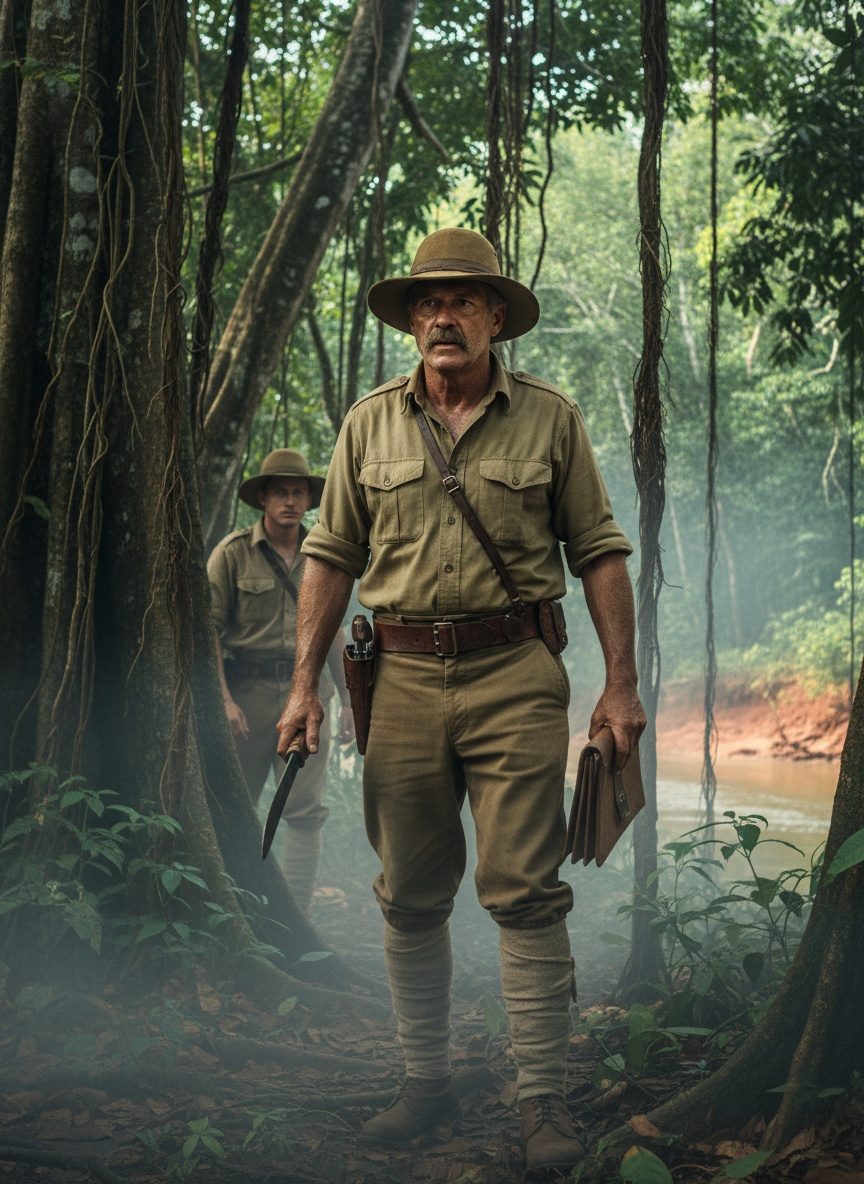
Far from the triumph in Europe, the dense, tropical labyrinth of Burma concealed the true face of war's brutality. For the Indian Army, VE Day was not the final chapter in their ordeal. Theirs was an arduous campaign, a relentless slog through landscapes riddled with unseen perils, where each footstep could trigger latent dangers like landmines or venomous predators. The harsh realities of jungle warfare were compounded by monsoons, which transformed battle lines into muddy quagmires, simultaneously erasing distinctions between man and machine, friend and foe.
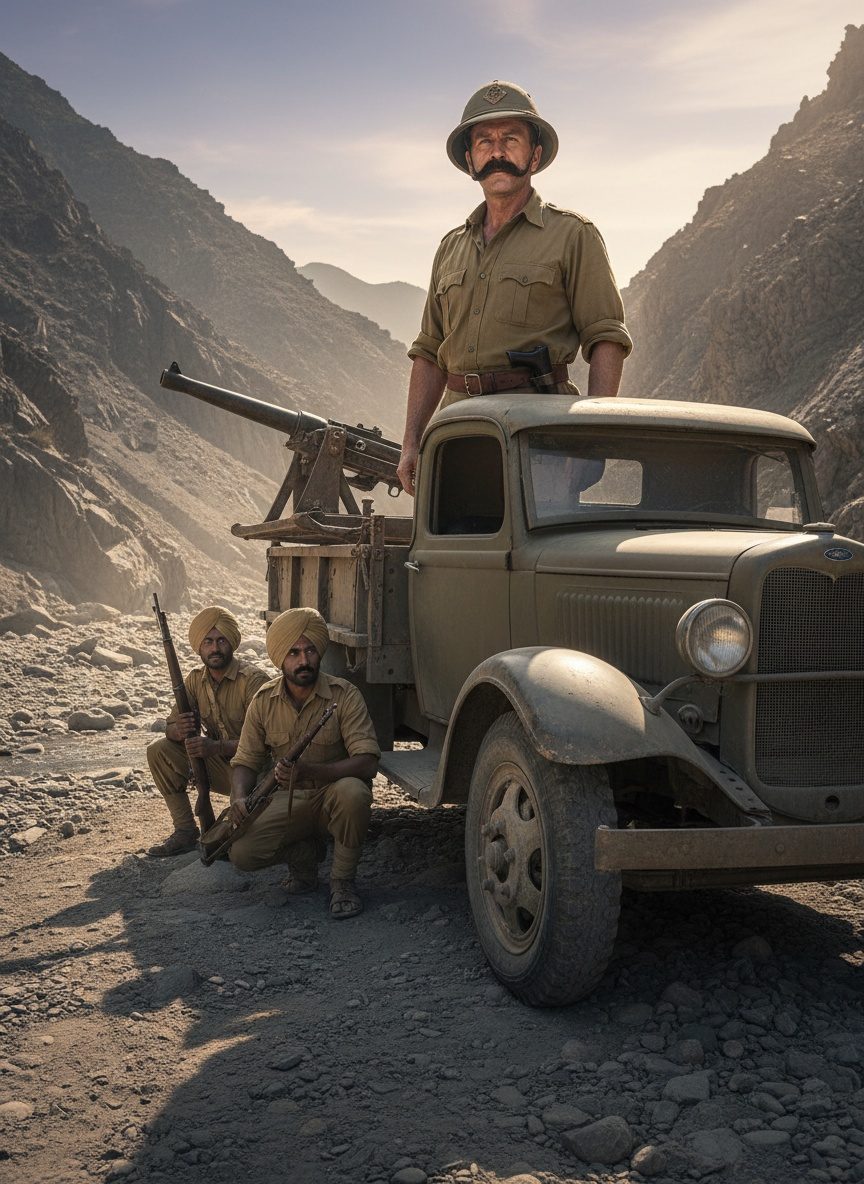
The soldiers who had fought valiantly under the blistering Italian sun at Monte Cassino found themselves swapped into an environment altogether alien. The intense, humid climate tested both spirit and physique, demanding not only impeccable military acumen but also an adaptation to unforeseen nature's ferocity. Often tasked with the laborious construction of critical infrastructure, like the essential Ledo Road, these men embodied resilience as they beat back not just an entrenched enemy but a landscape that resisted foreign trods.
In contrast with the glorious parades unfurling in Europe, soldiers in Burma faced a more clandestine end to conflict: gradual thinning of combat as the Japanese forces were ground down. Here, there were no grand surrenders amid iconic ruins; instead, conquest took the form of villages reclaimed inch by inch, jungles cleared foot by perilous foot. As the Allies pressed their advantage, the promise of an end gleamed brighter. However, the fight exacted a brutal toll in attrition and fatigue that would leave scars, invisible yet profound, long after the echo of the last gunshot faded into the tropic air.
A Complex Legacy
As VE Day celebrants basked in the glow of the initial triumph, the complicated, looming reality of their geopolitical world began to crystallize. India, a pivotal supplier of military personnel and resources, found itself at a crossroads. The unity glimpsed in those jubilant hours of May was elusive, yet it underscored an unresolved tension. In every dusty line trench and bureaucratic corner of the imperial office, whispers of another struggle—India’s internal clamor for independence—grew louder. This was a war of a different nature, one that questioned the very foundations of the empire that had just declared itself victorious.
The red-letter day of May 8, 1945, marked dual edges of a sword—one that closed the chapter of European battles but continued to draw in South Asia. The war could distance itself geographically, and yet its stakes were omnipresent. Parties temporarily joined by international allegiance began to peer beyond immediate borders and treaties. Indian soldiers, who had honored their commitments and bled for a global cause, returned to a homeland caught in burgeoning nationalistic ambitions.
As the world shifted calendars and looked toward reconstruction, the question of freedom loomed large. What the elite did not write became the murmur of the subaltern, gathering momentum towards the historic year of 1947. VE Day stepped beyond its immediate celebratory bounds—a poignant juncture ultimately reshaping aspirations and destinies across continents.
Ultimately, when VE Day came to Delhi and Lahore, it not only echoed with cries of victory but awakened consciousness to new, uncharted battles of identity and independence. In its annals, both celebrated and silenced, lie stories of a populace yearning for a voice, asserting itself in the fold of world affairs with a stand to shape futures unseen in victory's fleeting shadow.